Singapore is one of Southeast Asia’s more expensive destinations, but it does not need to be an uncontrolled splurge. Public transport is efficient, hawker food remains good value, and many of the city’s most memorable neighbourhoods, parks and waterfront walks are free.
So, how much does a Singapore trip cost in 2026? A careful solo traveller can plan around SGD 90–150 per day, a comfortable mid-range traveller around SGD 220–400 per day, and a luxury visitor from SGD 600 per day upward. These ranges exclude international flights and assume one person sharing costs only where stated.
This guide breaks down accommodation, food, transport, attractions and hidden expenses so you can build a realistic budget in Singapore dollars. Prices change by date, demand and booking conditions, so treat every figure as a planning range and check live rates before paying.
Singapore Trip Cost 2026: Quick Budget
| Travel style | Daily cost per person | Five-day trip |
|---|---|---|
| Budget | SGD 90–150 | SGD 450–750 |
| Mid-range | SGD 220–400 | SGD 1,100–2,000 |
| Luxury | SGD 600+ | SGD 3,000+ |
A couple sharing a room usually spends less per person than a solo traveller. Families may save on room sharing but spend more on taxis and ticketed attractions. Add flights, travel insurance and shopping separately.
What Makes Singapore Expensive?
Hotels are the main budget pressure. Land is limited, standards are regulated and demand stays strong during weekends, school holidays and major events. Alcohol, rooftop bars and fine dining are also expensive compared with neighbouring Malaysia or Indonesia.
Daily essentials are easier to control. Hawker centres serve filling local meals at accessible prices. MRT and bus fares are modest, tap water is drinkable, and free attractions include the Botanic Gardens, Marina Bay promenade, heritage districts and large parts of Gardens by the Bay.
The difference between a SGD 120 day and a SGD 400 day is usually the hotel and the number of premium experiences, not basic transport.
Accommodation Costs in Singapore
Hostels and capsule hotels
Dormitory beds commonly fall around SGD 35–75 per night. Modern capsules may cost more on weekends. Look beyond the headline rate for taxes, locker access, towel fees and cancellation restrictions.
Budget private rooms
A simple private room often costs SGD 90–170 per night. Rooms may be compact and windows are not guaranteed. Areas around Lavender, Geylang and Little India can offer better value than Marina Bay, but check the walking distance to an MRT station and recent cleanliness reviews.
Mid-range hotels
Expect roughly SGD 180–350 per room per night for a well-reviewed three- or four-star hotel. Central properties near Bugis, Chinatown or City Hall can save time and transport, which may justify a higher room rate on a short trip.
Luxury hotels
Luxury rooms often begin around SGD 450 and can exceed SGD 1,000 during busy dates. Skyline views, club access, breakfast and flexible cancellation change the final cost substantially.
Book early for Formula 1, year-end holidays and large conventions. Always compare the final price including taxes and service charges. A non-refundable room is only a saving when your plans are firm.
Food Costs: Hawkers to Fine Dining
Food is the easiest category to adjust without sacrificing quality. A hawker dish often costs around SGD 5–10, while kopi, tea or kaya toast may add SGD 2–6. A full day built around hawker centres can stay near SGD 25–45 per person.
Casual cafés and mall restaurants commonly cost SGD 15–35 per person before extras. A mid-range dinner with drinks may reach SGD 45–90. Fine dining, hotel brunches and celebrity restaurants can cost SGD 150–400 or more.
- Budget food day: SGD 25–45.
- Mixed hawker and restaurant day: SGD 60–120.
- Premium dining day: SGD 180 or more.
Chinatown Complex, Tekka Centre, Old Airport Road and Maxwell Food Centre give visitors a broad selection. Share several small dishes rather than buying every famous item in a single meal. Tap water is generally safe, so a refillable bottle reduces both spending and plastic.
Transport Costs
The MRT and public buses are the best-value way to move around Singapore. A normal visitor using pay-as-you-go travel might spend approximately SGD 8–15 per day, depending on distance and frequency. Contactless bank cards can often be tapped at gates, although overseas transaction fees may apply.
Tourist transport passes can be useful for very intensive sightseeing but are not automatically cheaper. Count expected journeys before buying. Remember to tap correctly and keep the same card or device for entry and exit.
Airport travel is affordable by MRT and public bus. A taxi or ride-hailing trip from Changi to central Singapore may cost roughly SGD 25–50 depending on time, demand, surcharges and route. Late-night, peak-hour and airport charges can raise the total.
For most travellers, budget SGD 40–70 for local public transport over five days. Add SGD 60–120 if you expect several taxi trips.
Attraction Prices in 2026
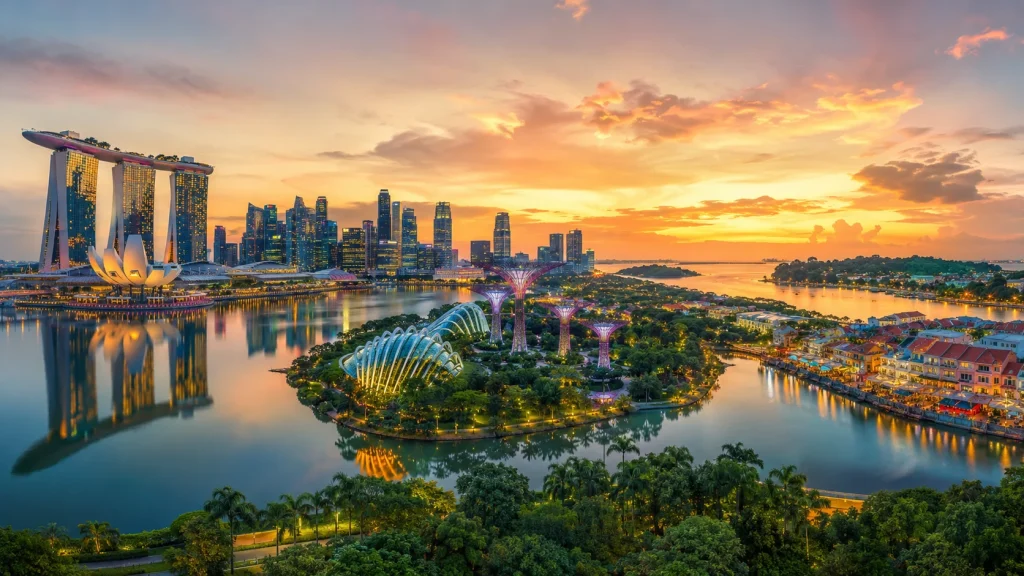
Singapore offers both free landmarks and expensive theme attractions. The Marina Bay promenade, Merlion area, Botanic Gardens and heritage neighbourhoods cost nothing to enter. Gardens by the Bay’s outdoor gardens are largely free, while conservatories and elevated walkways require tickets.
Official Gardens by the Bay pricing varies by residency and package. Current 2026 listings show non-resident adult options such as SGD 46 for the Flower Dome and Cloud Forest combination, and SGD 14 for the OCBC Skyway. Special exhibitions and bundles can cost more. Check the official site for the exact visit date.
Zoo, aquarium, observation decks, museums and Sentosa attractions can quickly create a SGD 80–180 sightseeing day. Choose one major paid attraction daily and surround it with free neighbourhoods or parks.
- Low-cost sightseeing: SGD 0–25 per day.
- Balanced sightseeing: SGD 40–90 per day.
- Attraction-heavy schedule: SGD 120–220 per day.
Nightlife and Alcohol
Alcohol is a common budget surprise. A beer in a casual venue may cost SGD 10–18, while cocktails at central or rooftop bars often cost SGD 20–35 before service charges and taxes. Club cover charges and late-night rides add more.
Set a separate nightlife allowance if bars are important. Happy hours, hawker-centre beer and one carefully chosen rooftop drink deliver the atmosphere for less than a full evening in premium venues.
Sample Five-Day Singapore Budgets
Budget solo trip: about SGD 600
- Hostel: SGD 250.
- Food: SGD 175.
- Transport: SGD 55.
- Attractions: SGD 80.
- Buffer: SGD 40.
This version prioritises hawker meals, free districts and one or two paid attractions. It excludes flights and assumes careful accommodation booking.
Mid-range solo trip: about SGD 1,500
- Hotel: SGD 850.
- Food: SGD 300.
- Transport: SGD 90.
- Attractions: SGD 180.
- Buffer: SGD 80.
A couple sharing the same hotel could reduce the room cost per person, though dining and tickets remain individual expenses.
Comfortable couple’s trip: about SGD 2,400 total
A couple sharing a good mid-range room, mixing hawkers with restaurants, using mostly public transport and booking several major attractions can plan around SGD 2,000–2,800 for five days before flights and shopping.
Cost of a Three-Day Stopover
A short stopover can be surprisingly expensive per day because airport transfers and hotel rates are spread across fewer nights. Budget travellers might spend SGD 300–500 for three days. A comfortable private-room stay may cost SGD 700–1,200.
Stay near an MRT station, use an open-jaw walking route through neighbouring districts and avoid paying for several observation decks that offer similar views.
How to Save Money Without Missing Singapore
- Book accommodation early and compare the final taxed price.
- Stay near the MRT rather than paying only for a famous neighbourhood.
- Eat breakfast and lunch at hawker centres, then choose one special dinner.
- Use tap water and carry a refillable bottle.
- Walk Marina Bay, Chinatown, Kampong Glam and Little India.
- Choose one premium attraction each day.
- Use public transport for Changi unless arriving late with heavy luggage.
- Avoid changing hotels during a short stay.
- Check free museum hours and current attraction bundles.
Explore verified destinations across Southeast Asia and the Asia Wander Tour collection if Singapore is part of a wider regional route.
Costs Travellers Often Forget
Small charges can weaken a good budget. International card fees, mobile data, luggage storage, laundry, airport meals, hotel deposits and travel insurance belong in the plan. Restaurants may add service charges and taxes to menu prices.
Shopping deserves its own allowance. Singapore’s malls and airport retail make impulse spending easy, but it should not be hidden inside the daily food or sightseeing budget.
Keep a contingency fund of at least ten percent. Families or travellers with fixed onward flights may prefer a larger buffer for taxis, medical care or disrupted plans.
Cash, Cards and Exchange Rates
Cards and mobile payments are widely accepted, but small hawker stalls may prefer cash or local payment methods. Carry a modest amount of Singapore dollars rather than relying on a single card.
ATM fees and foreign transaction charges vary by bank. Decline dynamic currency conversion when your own provider offers a better rate. Track spending in SGD first, then convert to your home currency once daily to avoid confusion.
Is Singapore Expensive Compared With Nearby Countries?
Yes, especially for hotels, alcohol and premium attractions. A mid-range Singapore day can cost two or three times a comparable day in parts of Cambodia, Laos or Vietnam. However, Singapore’s reliable transport and inexpensive local food keep the difference manageable.
One smart regional strategy is to spend three or four focused days in Singapore, then continue overland or by air to Malaysia or Indonesia. Do not rush solely to save money; extra transport can erase the benefit.
Frequently Asked Questions
How much money do I need for five days in Singapore?
Plan roughly SGD 450–750 on a tight budget, SGD 1,100–2,000 for a comfortable solo trip, or SGD 3,000 and above for luxury. International flights are separate.
Can I visit Singapore on SGD 100 a day?
Yes, with a hostel, hawker meals, public transport and mostly free attractions. Hotel demand can make this difficult on peak dates.
Is food expensive?
Not necessarily. Hawker meals often remain around SGD 5–10, while restaurants and alcohol raise the average quickly.
Should I carry cash?
Carry some cash for small stalls, but cards are accepted widely. Use a backup payment method and understand your bank’s overseas fees.
What is the biggest Singapore travel expense?
Accommodation is usually the largest cost, followed by premium dining and attraction tickets. Booking the room early has the greatest effect on the total.
When to Book for the Best Value
Start with accommodation because it controls the rest of the budget. For ordinary dates, compare refundable rooms several months ahead and check again before the cancellation deadline. Major events, public holidays and school breaks reward earlier booking. Attraction tickets rarely need the same lead time, but timed entries and special exhibitions can sell out.
Flights should be compared against the total itinerary rather than the cheapest fare alone. A late arrival may require a taxi and an extra hotel night, while a better-timed flight can create a useful sightseeing day. Keep exchange rates, baggage fees and airport transfers in the same comparison.
Build a Realistic Singapore Budget
For most first-time visitors, a practical Singapore trip cost in 2026 is around SGD 220–400 per person per day for comfortable travel. Budget travellers can reduce that substantially through hostels, hawker centres and free districts. Decide where comfort matters, price the hotel first and then assign separate allowances for food, transport and attractions.