Singapore is a year-round destination, but the experience changes with rainfall, school holidays, major events and hotel demand. The city stays warm and humid in every month, so there is no completely cool or rain-free season. Choosing well means matching your priorities—lighter crowds, outdoor sightseeing, festivals or better-value rooms—to the calendar.
For many travellers, the best time to visit Singapore is from February to April, when the wet phase of the Northeast Monsoon is usually easing and major outdoor attractions are comfortable to plan with flexible breaks. June to August can also work well for events and shopping, while November to January brings more frequent rain and strong festive demand.
Singapore weather at a glance
Singapore has a tropical climate with high humidity, warm nights and rain throughout the year. Short, intense showers are normal even in relatively drier months. The Meteorological Service Singapore explains that the country experiences two main monsoon seasons separated by inter-monsoon periods: the Northeast Monsoon generally runs from December to early March, while the Southwest Monsoon usually occurs from June to September.
Weather varies from year to year. In its latest annual summary, the Meteorological Service Singapore reported that 2025 was unusually wet overall and included record rainfall in March. This is a useful reminder that monthly averages are guides, not guarantees.
Best time to visit Singapore by travel priority
Best overall balance: February to April
Late February, March and April often offer a useful balance between weather and sightseeing. February can be relatively breezy and drier, although Lunar New Year dates can increase demand. March and April are hot and can bring afternoon thunderstorms, but they work well if you start early, plan indoor stops at midday and keep an umbrella nearby.
Best for major events: July to October
Singapore’s event calendar becomes a major reason to travel in the second half of the year. National Day celebrations take place around 9 August, the Grand Prix season brings entertainment and higher demand, and food, arts and cultural events appear across the city. Dates vary annually, so check the official Visit Singapore events calendar before booking.
Best for festive atmosphere: November to January
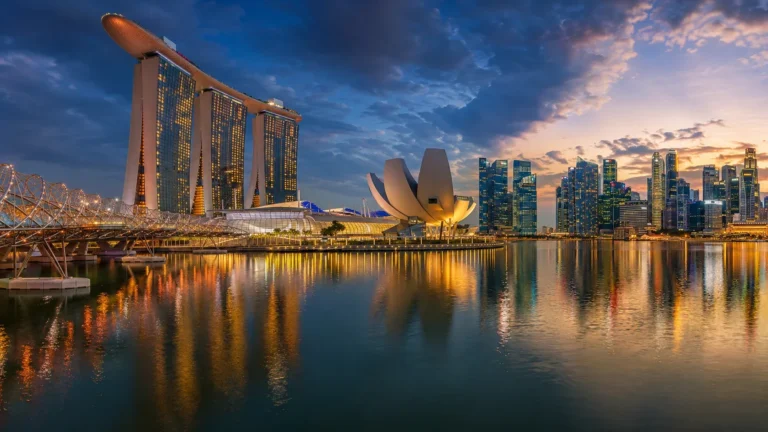
Christmas displays, New Year celebrations and preparations for Lunar New Year make this period visually exciting. It is also one of the wetter times, especially during Northeast Monsoon surges. Hotels near Marina Bay, Orchard Road and major celebration areas can become expensive, so reserve early and expect crowds on key nights.
Best for lower prices: selected weekdays and shoulder periods
Singapore does not have a single low season because business travel, school holidays and events affect demand throughout the year. Better rates often appear on non-event weekdays or during quieter weeks between major celebrations. Compare refundable rooms, check the event calendar and avoid assuming that the rainiest month will automatically be cheapest.
Singapore month by month
January
January sits in the wetter phase of the Northeast Monsoon. Rain can be widespread and occasionally persistent rather than a short afternoon shower. New Year travel and changing Lunar New Year dates can increase prices. Pack a compact umbrella, quick-drying shoes and a light layer for strongly air-conditioned interiors.
February
February is often breezier and can be drier than January, making it popular for outdoor sightseeing. Lunar New Year may fall in late January or February, bringing decorations, family travel, public-holiday closures and busy Chinatown celebrations. Book well ahead if the festival is your main reason to visit.
March
March becomes hotter as Singapore approaches an inter-monsoon period. Afternoon thunderstorms are common, and individual years can be much wetter than average. It remains practical for sightseeing because rain often leaves clear intervals, but keep daily plans flexible.
April
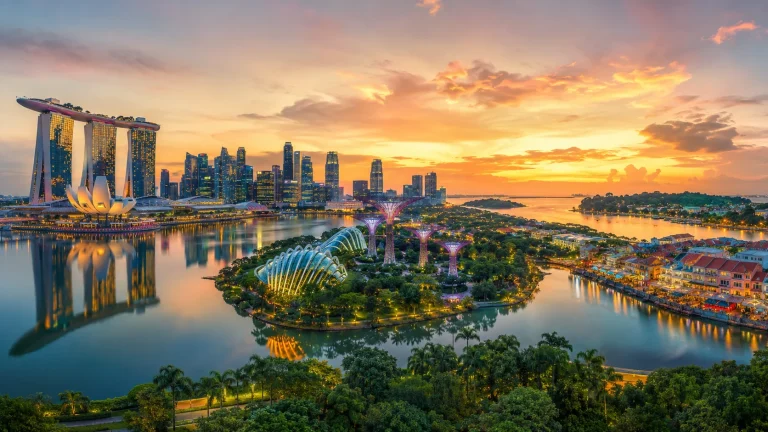
April is hot, humid and prone to thunderstorms, sometimes with intense lightning. Schedule Gardens by the Bay, Marina Bay and neighbourhood walks in the morning or late afternoon. Museums, shopping centres and indoor attractions provide easy weather backups.
May
May can feel especially warm with light winds and high humidity. Thunderstorms remain possible. Hydrate regularly, use sun protection and avoid packing too many outdoor sights into the middle of the day.
June
The Southwest Monsoon period begins around June. Showers may arrive in the morning, and Sumatra squalls can bring sudden wind and heavy rain. Regional school holidays can lift family demand, while shopping promotions and indoor attractions make the city easy to enjoy in mixed weather.
July
July is warm with passing showers and occasional hazy conditions depending on regional weather. Cultural and food events can add energy to the city. Book restaurants and special exhibitions ahead if you are travelling for a festival.
August
National Day on 9 August brings flags, rehearsals and celebrations, especially around Marina Bay. Accommodation near the centre can be more expensive around event dates. Weather remains hot and changeable, with showers still possible.
September
September is still influenced by the Southwest Monsoon and can bring short showers or squalls. Major sporting or entertainment events may significantly raise hotel prices. Check exact dates before confirming a flexible-budget trip.
October
October is an inter-monsoon month, often hot with afternoon and evening thunderstorms. Deepavali may fall in October or November, lighting up Little India with decorations and cultural activity. Festival dates move each year.
November
Rainfall generally increases as the Northeast Monsoon approaches. Christmas installations begin appearing in shopping and entertainment districts. The combination of rain and strong event demand makes advance restaurant and hotel planning useful.
December
December is festive, busy and often wet. Orchard Road decorations, Marina Bay celebrations and year-end holidays attract visitors despite the rain. Bring weather protection and reserve central accommodation early, especially for New Year’s Eve.
Festivals and events that affect your trip
- Lunar New Year: usually January or February, with celebrations centred on Chinatown and public-holiday closures.
- Hari Raya Puasa: dates follow the Islamic calendar; Geylang Serai is known for seasonal lights and markets.
- Vesak Day: Buddhist observances take place at temples across the city.
- National Day: 9 August, with ceremonies, rehearsals and celebrations.
- Deepavali: usually October or November, with festive lighting in Little India.
- Grand Prix season: typically brings entertainment, road changes and high hotel demand around the race period.
- Christmas and New Year: late November through December, especially lively around Orchard Road and Marina Bay.
Festival dates, programmes and access arrangements can change. Confirm details through organisers and the official tourism calendar rather than relying on last year’s schedule.
How seasons affect Singapore prices
Hotel prices respond more to events, conventions, weekends and school holidays than to temperature. A rainy weekday without a major event may offer good value, while a hot September weekend during a major event can be expensive. Flights also rise around regional holidays and year-end travel.
- Compare the official event calendar before choosing dates.
- Book refundable accommodation if travelling during a weather-sensitive period.
- Stay near an MRT station rather than paying only for a famous district.
- Reserve headline attractions online when visiting during holidays.
- Budget extra for central hotels around National Day, major races and New Year.
What to pack in every season
Light, breathable clothing works throughout the year. Add a compact umbrella or lightweight rain jacket, comfortable quick-drying shoes, sunscreen and a reusable water bottle. A thin layer helps in cold indoor spaces. Electronics and travel documents should stay in a water-resistant pouch during heavy showers.
Planning your Singapore itinerary
Weather rarely prevents an enjoyable Singapore visit because indoor and outdoor attractions are closely connected. Our 3-day Singapore itinerary balances Marina Bay, heritage districts, gardens and food stops. Use the Singapore trip-cost guide to estimate daily spending, and browse the Singapore travel collection for more planning ideas.
Final advice
The best time to visit Singapore depends less on finding perfect weather and more on avoiding the wrong dates for your budget and interests. February to April offers a strong overall balance, July to October suits event-focused travellers, and year-end visits deliver a festive atmosphere with more rain and higher demand. Check the forecast shortly before each day, keep one indoor alternative ready and enjoy the city at a flexible pace.