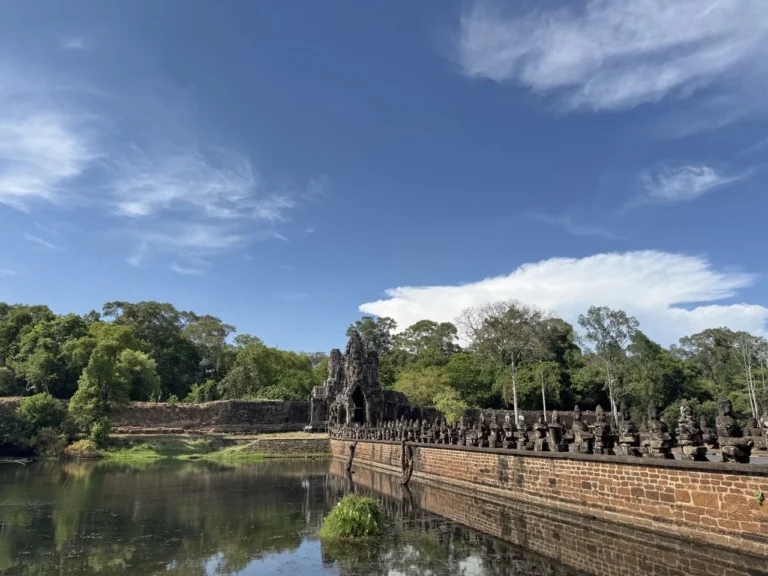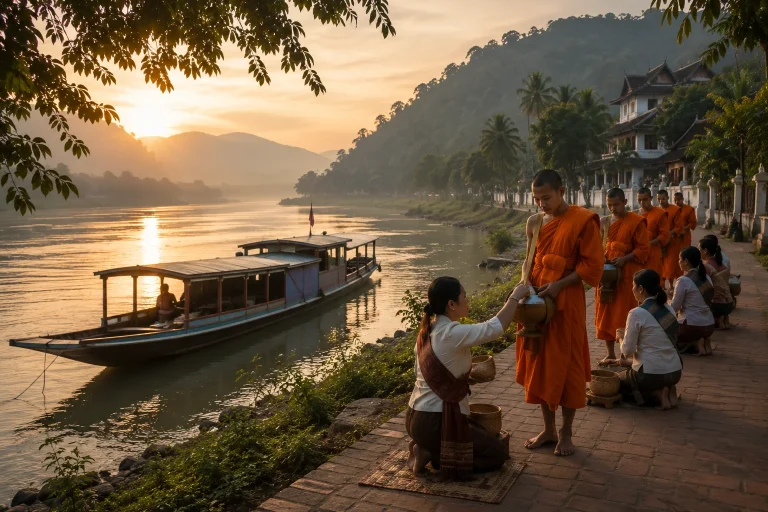

Here’s the thing nobody tells you before your first Thailand trip: there’s no single “best time to visit,” because the country is basically running three different climates at once. Get the timing right for your route, though, and you’ll land in the sweet spot between perfect weather and manageable crowds.
Why Timing Your Thailand Trip Actually Matters
Thailand stretches from the mountainous north down through Bangkok to the tropical peninsula in the south, and each region follows its own weather rhythm. Book the wrong month for the wrong coast and you could trade postcard beach days for washed-out excursions — or pay peak-season prices when you didn’t need to. Nail the timing, though, and you get golden light over Chiang Mai’s temples, calm seas around the islands, and a noticeably lighter dent in your wallet.
Thailand’s Three Seasons, Explained Simply
Before diving into regions, it helps to know the three broad seasons that shape the whole country’s calendar:
- Cool/dry season (November-February): The most popular window nationwide — lower humidity, minimal rain, and comfortable temperatures almost everywhere.
- Hot season (March-May): Temperatures climb sharply, especially inland, peaking in April.
- Rainy/monsoon season (June-October): Short, heavy afternoon downpours rather than all-day washouts, though timing and intensity vary significantly by coast.
The key twist: the Gulf coast and Andaman coast run on opposite monsoon schedules, which is the single most useful thing to understand before booking island time.
Bangkok and Central Thailand
- Best months: November-February. Expect 25-32°C, low humidity, and clear skies — ideal for temple-hopping at the Grand Palace or wandering Chao Phraya riverside markets without melting.
- March-May turns up the heat fast, with April regularly topping 35°C+. Doable if you plan around midday heat, but not the most comfortable window.
- June-October brings regular afternoon thunderstorms, but they’re typically short bursts rather than days lost entirely — still very workable for a city trip if you don’t mind ducking under an awning occasionally.
Northern Thailand (Chiang Mai, Chiang Rai)
- Best months: November-February. Cooler mountain air, blue skies, and some of the best photography conditions of the year — evenings can even dip cool enough for a light jacket.
- March-April brings burning season in parts of the north, when agricultural burning creates noticeable haze and reduced air quality, particularly in Chiang Mai. If you have respiratory sensitivities, this is worth checking closer to your travel dates.
- June-October is lush and green, with fewer tourists and lower prices, at the cost of regular rain.
The Andaman Coast (Phuket, Krabi, Koh Lanta, Koh Phi Phi)
- Best months: November-April. This is the Andaman’s dry season — calm seas, excellent visibility for snorkeling and diving, and reliably sunny beach days.
- May-October is the Andaman’s rainy season, with the heaviest, roughest conditions typically from June-September. Some smaller island operations scale back or close entirely during the wettest stretch.
- Shoulder months like November or April can offer a nice balance — decent weather with softer crowds and pricing than peak December-January.
The Gulf Coast (Koh Samui, Koh Phangan, Koh Tao)
- Best months: December-August, roughly — the Gulf side runs on the opposite schedule from the Andaman coast.
- October-November is the Gulf coast’s wettest window, sometimes bringing significant rainfall and occasional flooding risk on Koh Samui specifically — worth checking forecasts closely if your dates fall here.
- This opposite-monsoon pattern is exactly why savvy travelers split a Thailand trip between coasts depending on the month — if the Andaman side is soggy, the Gulf side might be having a great week, and vice versa.
Festivals Worth Planning Around in 2026
Thailand’s calendar includes some genuinely unmissable cultural moments — but they also mean serious crowds and higher prices.
- Songkran (Thai New Year): officially April 13-15, 2026, though Chiang Mai’s celebrations typically start around April 11 and run the full week. Expect the country’s biggest, wettest water fight — book accommodation well ahead if you want to be in the middle of it.
- Loy Krathong: falls on November 25, 2026, when candlelit krathongs drift down rivers and canals nationwide — one of the most photogenic, peaceful nights of the Thai calendar.
- Yi Peng (Chiang Mai’s sky lantern festival): runs alongside Loy Krathong, around November 24-25, 2026, and is a completely separate northern tradition from the river-based Loy Krathong celebrations you’ll see elsewhere.
- Book 2-3 months ahead if your trip lines up with either of these — hotels in Chiang Mai and Bangkok sell out in layers as the dates approach.
Insider Tip: Chase the Shoulder Seasons
Late November and April are the sweet spots most travelers overlook. November lands you right at the tail end of the rainy season with freshly green landscapes, thinning crowds, and (bonus) Loy Krathong season — while April, despite the heat, coincides with Songkran’s unmatched energy if you don’t mind embracing the chaos. Both months typically undercut December-January’s peak pricing while still delivering excellent weather in most regions.
Start Mapping Your Ideal Thailand Trip
Once you match your route to the right season, Thailand goes from “hopefully good weather” to genuinely well-planned — whether that means chasing cool mountain air in Chiang Mai, calm Andaman seas, or a front-row seat to Loy Krathong’s candlelit rivers. Save this guide before you start booking flights, and check out our Thailand entry requirements and TDAC guides to make sure the rest of your paperwork is just as dialed in.