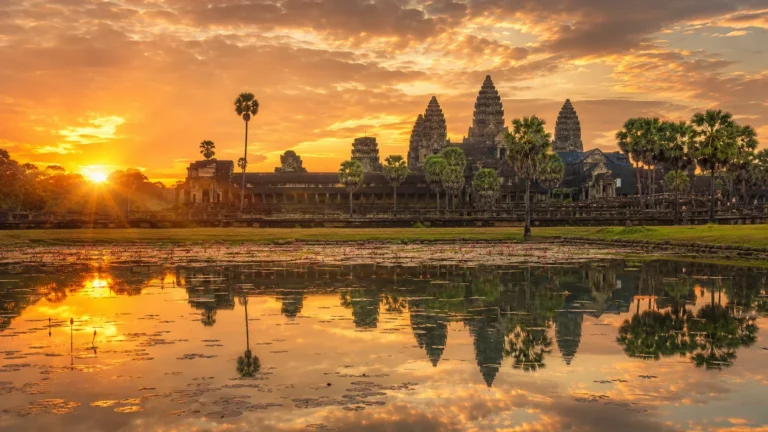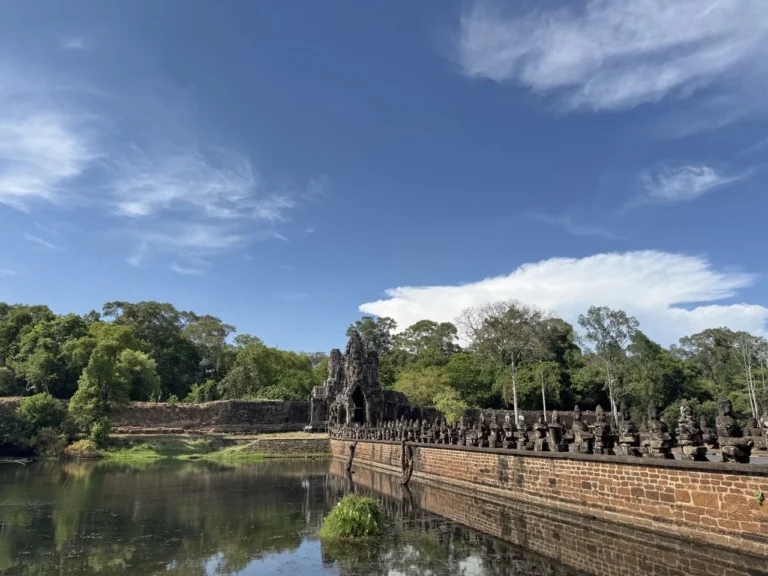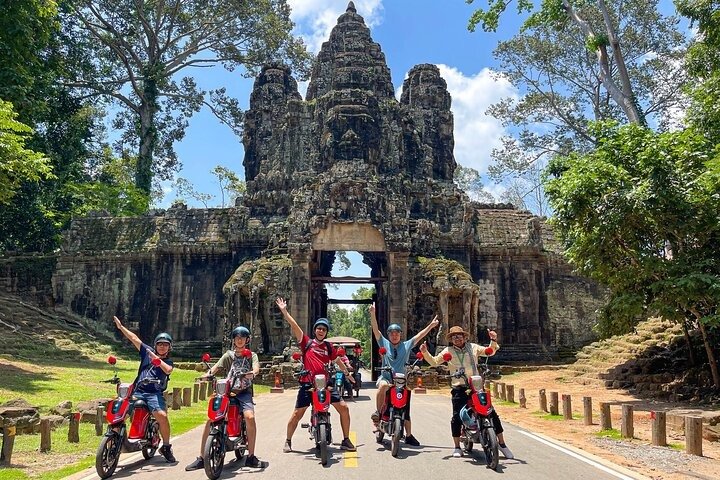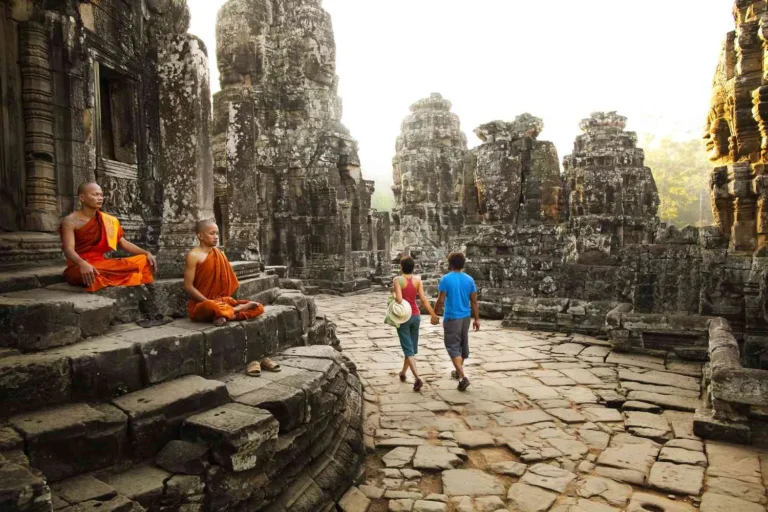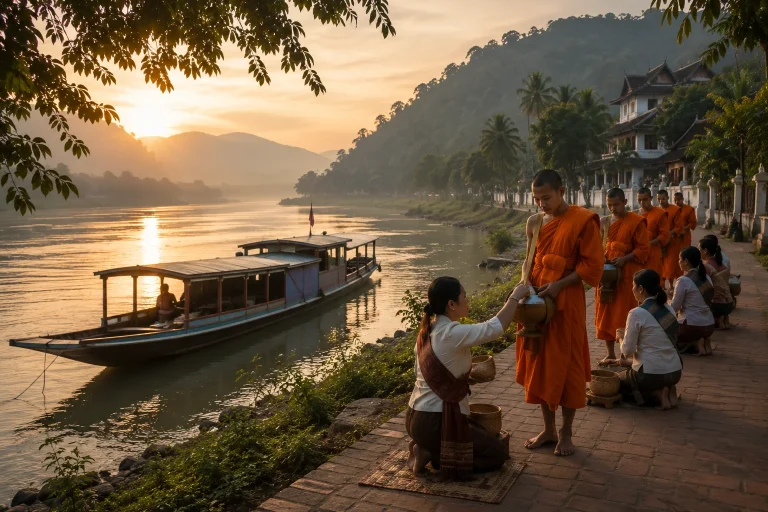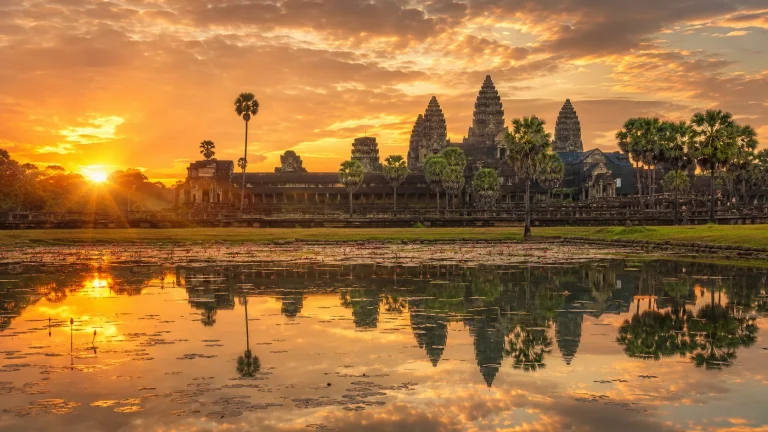
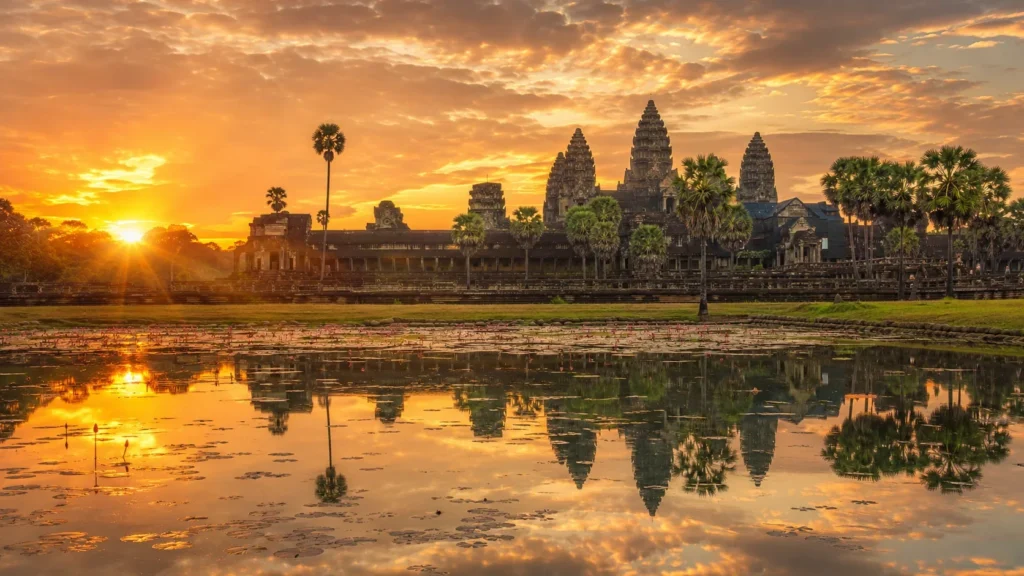
Angkor Wat deserves its reputation, but it is only one chapter of Cambodia. Travel beyond the famous temple complex and the country opens into river towns, rainforest, quiet islands, pre-Angkorian ruins, wildlife landscapes and communities where tourism still feels personal.
This guide brings together 15 places that reward travellers who give Cambodia more time. Some are easy additions to a classic route; others require long road journeys, boats or flexible plans. Together, they show why Cambodia beyond Angkor Wat is much richer than a short Siem Reap stop.
Why explore Cambodia beyond Angkor Wat?
Leaving the most familiar route spreads visitor spending to more communities and creates a better-paced journey. It also reveals the country’s regional differences: the Mekong shapes the east, the Cardamom Mountains dominate the southwest, and the southern coast moves at a completely different rhythm from the capital.
You do not need to skip Angkor. A strong first trip can combine three nights in Siem Reap with Phnom Penh and one less-visited region. Travellers with two weeks can build a broader circuit using our 13-day Cambodia historical and relaxing tour as inspiration.
1. Phnom Penh: history, food and a changing riverfront
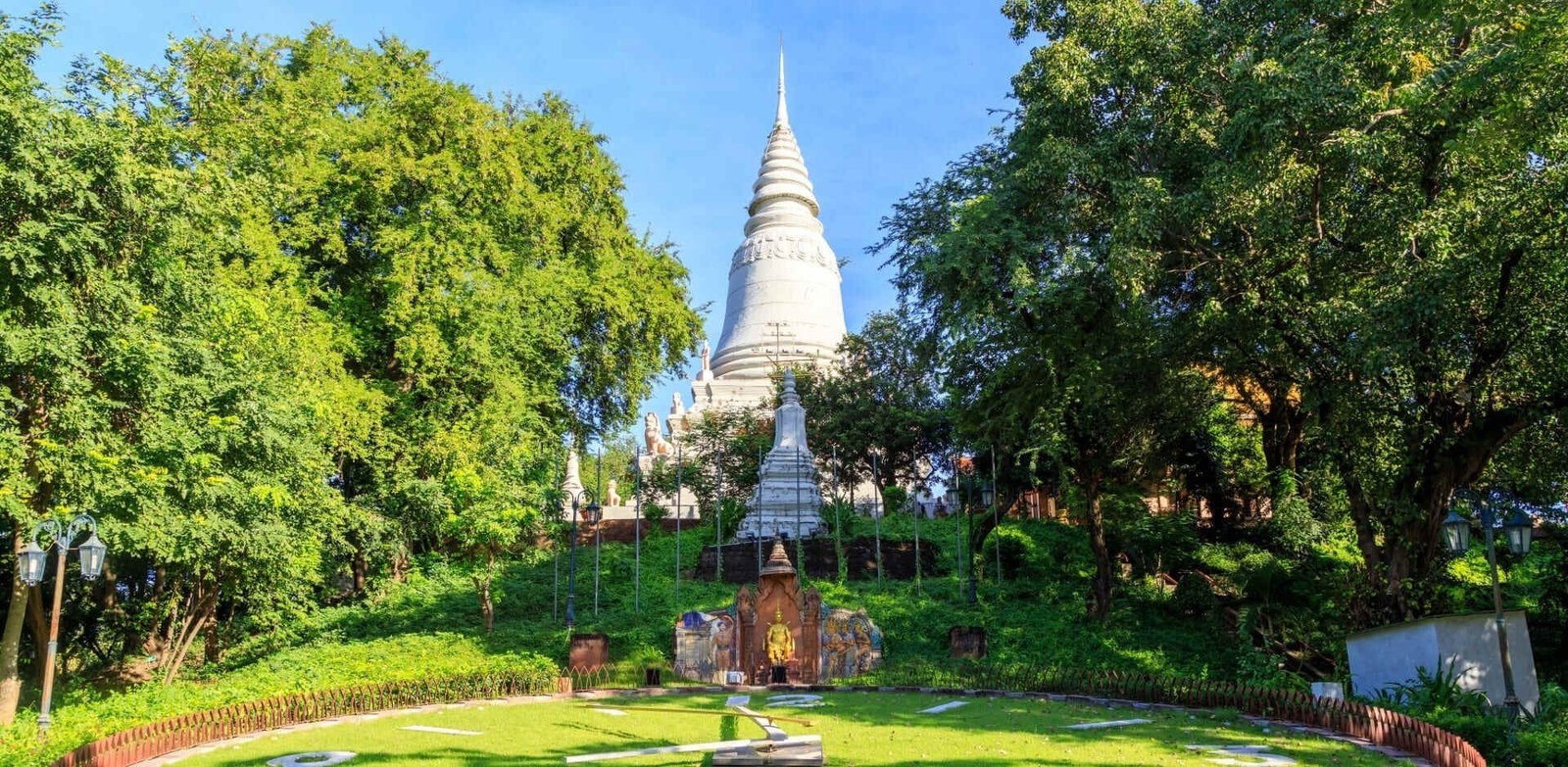
Cambodia’s capital is more than a transit point. The Royal Palace, National Museum and riverside introduce the country’s royal and artistic heritage, while Tuol Sleng and Choeung Ek require a respectful, emotionally prepared visit. Modern Phnom Penh adds independent cafés, galleries and a confident Khmer dining scene.
Allow at least two full days. Explore central sights early, pause during the hottest hours and use an experienced guide for difficult historical sites. Our Phnom Penh travel guide covers neighbourhoods, food and practical planning.
2. Battambang: architecture, art and countryside
Battambang combines faded colonial-era streets with one of Cambodia’s strongest contemporary art communities. The city centre is compact, but the surrounding countryside provides the real contrast: rice fields, small workshops, village pagodas and low-key local food stops.
Phnom Sampeau is known for its hilltop complex, difficult wartime history and evening bat spectacle. The bamboo train is commercial but still entertaining when approached as a short experience rather than the reason for visiting. Two nights gives the city room to breathe.
3. Kampot: a slow riverside base
Kampot suits travellers who want to reduce the pace. Its riverfront, old shop houses and mountain backdrop create an easy base for café mornings, sunset boats and excursions into the countryside. Nearby farms explain why Kampot pepper has become internationally recognised.
Bokor National Park offers cooler air, wide coastal views and layers of history, although development has changed parts of the plateau. Choose a guide who can explain the landscape rather than treating the trip as a series of photo stops.
4. Kep: seafood, forest walks and quiet coast
Kep is smaller and quieter than Cambodia’s main beach centres. The crab market remains its best-known experience, especially when seafood is cooked simply with local pepper. Kep National Park has accessible trails above town, with sea views when conditions are clear.
The town works well as a day trip from Kampot, but an overnight stay delivers its calmest hours. Travellers interested in architecture can also look for the surviving modernist villas that hint at Kep’s mid-century resort history.
5. Koh Rong: clear water and island time
Koh Rong offers long beaches, warm water and a range of experiences from lively villages to quieter stretches of coast. Your choice of beach matters more than the island name: ferry access, road connections, nightlife and electricity vary by area.
Stay at least three nights to make the ferry journey worthwhile and to protect against weather disruption. Avoid single-use plastics where possible, choose accommodation with credible waste practices and never touch coral or marine animals. Beach time fits naturally into a longer route such as our 14-day Cambodia adventure and beach tour.
6. Koh Rong Samloem: a gentler island alternative
Koh Rong Samloem has changed in recent years, yet it can still feel quieter than its larger neighbour when you select the right bay. It suits swimming, reading, short coastal walks and unhurried evenings rather than packed sightseeing.
Check current ferry stops carefully because boats do not serve every beach equally. Bring enough cash, download essential information before arrival and accept that island infrastructure may be less predictable than in Phnom Penh or Siem Reap.
7. Chi Phat: community tourism in the Cardamoms
Chi Phat is one of the most established community-based ecotourism gateways in the Cardamom Mountains. Activities can include forest walks, cycling, boat travel, birdwatching and simple village stays. The experience is about landscape and local participation, not luxury.
Book through a responsible community operator, be honest about fitness and allow buffer time. Rain can make trails muddy and transport slower. Cambodia’s official tourism information highlights a growing network of community-based ecotourism destinations.
8. Tatai and the western Cardamoms
Around Tatai, wide rivers, waterfalls and forested hills create one of Cambodia’s most atmospheric nature escapes. Boat-access lodges can feel remote despite being reachable from Koh Kong town. This is a strong choice for couples and travellers who want comfort alongside nature.
Water levels and waterfall conditions change by season. Ask operators about conservation work, community employment and how excursions manage wildlife disturbance. A responsible stay should do more than place a luxury room beside a forest.
9. Kratie: Mekong life and Irrawaddy dolphins
Kratie is a relaxed Mekong town with old architecture, river sunsets and easy access to nearby islands. North of town, Kampi is the main area for observing the Mekong’s critically endangered Irrawaddy dolphins.
Choose a boat operator who keeps a respectful distance, reduces engine noise and never guarantees a sighting. The experience is valuable precisely because the animals are wild. An extra day allows cycling on Koh Trong, where village roads pass orchards, wooden homes and farmland.
10. Mondulkiri: highland scenery and Bunong culture
Mondulkiri feels different from lowland Cambodia. Rolling hills, cooler evenings, waterfalls and red-earth roads define the province. Sen Monorom is the main base, but the most meaningful experiences usually take place outside town.
Evaluate elephant experiences carefully. Avoid riding, performances and forced bathing; credible programmes prioritise observation, animal choice and transparent welfare practices. Community-led activities can also introduce Bunong culture without turning residents into a staged attraction.
11. Ratanakiri: volcanic lake and remote northeast
Ratanakiri rewards travellers comfortable with long transfers and simpler infrastructure. Yeak Laom, a near-circular volcanic lake surrounded by forest, is the province’s most accessible highlight. Waterfalls, markets and journeys toward Virachey National Park add variety.
Road conditions can change dramatically in the wet season, so build flexibility into the plan. Use local guides for remote areas and ask before photographing people. This is not an efficient weekend detour; it works best as part of a dedicated northeastern journey.
12. Preah Vihear Temple: a dramatic mountain sanctuary
Preah Vihear Temple stretches along a mountaintop axis near the Thai border. Its setting is completely different from Angkor’s plains, with long stairways, successive courtyards and expansive views. The monument was inscribed on the UNESCO World Heritage List for its architecture and exceptional landscape relationship.
Check current access conditions before travelling because border circumstances can affect routes. The temple is remote, so combine it with another northern site rather than rushing from Siem Reap and back in a single exhausting day. Read UNESCO’s official Preah Vihear listing for historical context.
13. Koh Ker: Cambodia’s pyramid temple
Koh Ker served briefly as an imperial capital in the tenth century. Its most recognisable structure, Prasat Thom, rises in a stepped pyramid form unlike Angkor Wat. The wider archaeological landscape includes sanctuaries, reservoirs and forested remains spread over a large area.
Koh Ker became a UNESCO World Heritage site in 2023. It can be paired with Beng Mealea, but an early start is essential. Stay on marked paths because Cambodia’s remote archaeological areas have a history of landmine contamination, even where principal visitor routes are cleared.
14. Sambor Prei Kuk: temples beneath the forest canopy
Near Kampong Thom, Sambor Prei Kuk preserves brick sanctuaries from the pre-Angkorian Chenla period. The forest setting, smaller visitor numbers and distinctive octagonal temples make the site feel intimate. It helps travellers understand that sophisticated Khmer architecture existed centuries before Angkor Wat.
A local guide can explain carvings and conservation that are easy to miss. The site is a practical stop between Phnom Penh and Siem Reap and is officially recognised as the Temple Zone of Sambor Prei Kuk.
15. Banteay Chhmar: remote ruins and village life
Banteay Chhmar is a vast temple complex in northwestern Cambodia, known for face towers, galleries and remarkable bas-reliefs. Its remote location keeps visitor numbers low, but it also means transport and accommodation require more planning.
A community homestay can turn the journey into a deeper experience by keeping more spending in the village. Expect modest facilities and arrange transport in advance. The reward is time to study the ruins without the pace of a major tourism hub.
How to build a realistic Cambodia route
For seven days, combine Siem Reap, Phnom Penh and either Battambang or Kampot. With ten days, add the coast, Kratie or a Cardamom experience. Two weeks makes room for a beach stay or the northeast without turning the trip into constant driving.
- Culture-focused: Phnom Penh, Sambor Prei Kuk, Siem Reap, Koh Ker and Battambang.
- Nature-focused: Phnom Penh, Chi Phat or Tatai, Kampot and the islands.
- Wildlife and highlands: Phnom Penh, Kratie, Mondulkiri and Siem Reap.
- Slow first trip: Phnom Penh, Kampot, Kep, Siem Reap and Battambang.
Distances that look short on a map can take most of a day. Private vehicles offer flexibility on complex routes, while buses and shared vans are more economical between major towns. Boats and ferries are weather-dependent, especially in the green season.
Responsible travel beyond the main sights
Ask before photographing people, dress respectfully at pagodas and avoid giving money directly to children. Do not visit orphanages. Choose community-based enterprises, locally owned guides and smaller accommodations where practical.
Wildlife experiences should prioritise distance and natural behaviour. Never buy wildlife products or souvenirs made from protected species. In forests and archaeological zones, stay on designated routes and follow local safety advice.
Final thoughts
The best Cambodia trips do not treat the country as a single monument. Angkor may be the beginning, but Phnom Penh’s stories, Battambang’s creative energy, the Cardamoms, the Mekong and the southern islands create the fuller picture.
Choose two or three places that match your interests instead of racing through all 15. Travelling more slowly gives you better conversations, fewer transfer days and a more honest understanding of Cambodia beyond Angkor Wat.