Two weeks is an excellent length for a first Thailand trip. It gives you time for Bangkok’s temples and neighbourhoods, northern culture in Chiang Mai and a proper beach finish without turning every other day into a transfer.
This 14-day Thailand itinerary balances essential sights with free time. It follows Bangkok to Chiang Mai and then the Andaman coast, but the beach section can be adapted to the Gulf islands when weather or flight schedules make them a better choice.
14-day Thailand itinerary at a glance
- Days 1–4: Bangkok, including temples, canals, food and a flexible day trip
- Days 5–8: Chiang Mai, with old-city culture, food and a responsible nature experience
- Days 9–13: Phuket or Krabi for beaches, islands and recovery time
- Day 14: Departure or onward travel
The route works because each region feels distinct. Bangkok is energetic and layered, Chiang Mai is calmer and culturally different, and the south gives you space to slow down. For destination ideas, compare our Bangkok guide and Chiang Mai guide.
Days 1–4: Bangkok
Day 1: Arrive and settle in
Keep arrival day light. Check in, walk around your neighbourhood and have an early dinner. Riverside areas suit travellers who prioritise temples and views; Sukhumvit offers transport and dining convenience; the old city places you near historic landmarks but farther from the main BTS network.
Do not plan a major tour immediately after a long flight. Bangkok’s heat, traffic and time-zone change can make a simple evening more enjoyable than a rushed attraction.
Day 2: Grand Palace, Wat Pho and the river
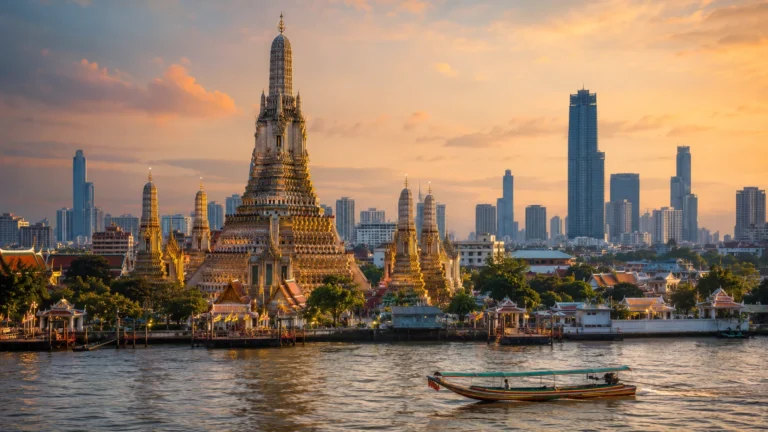
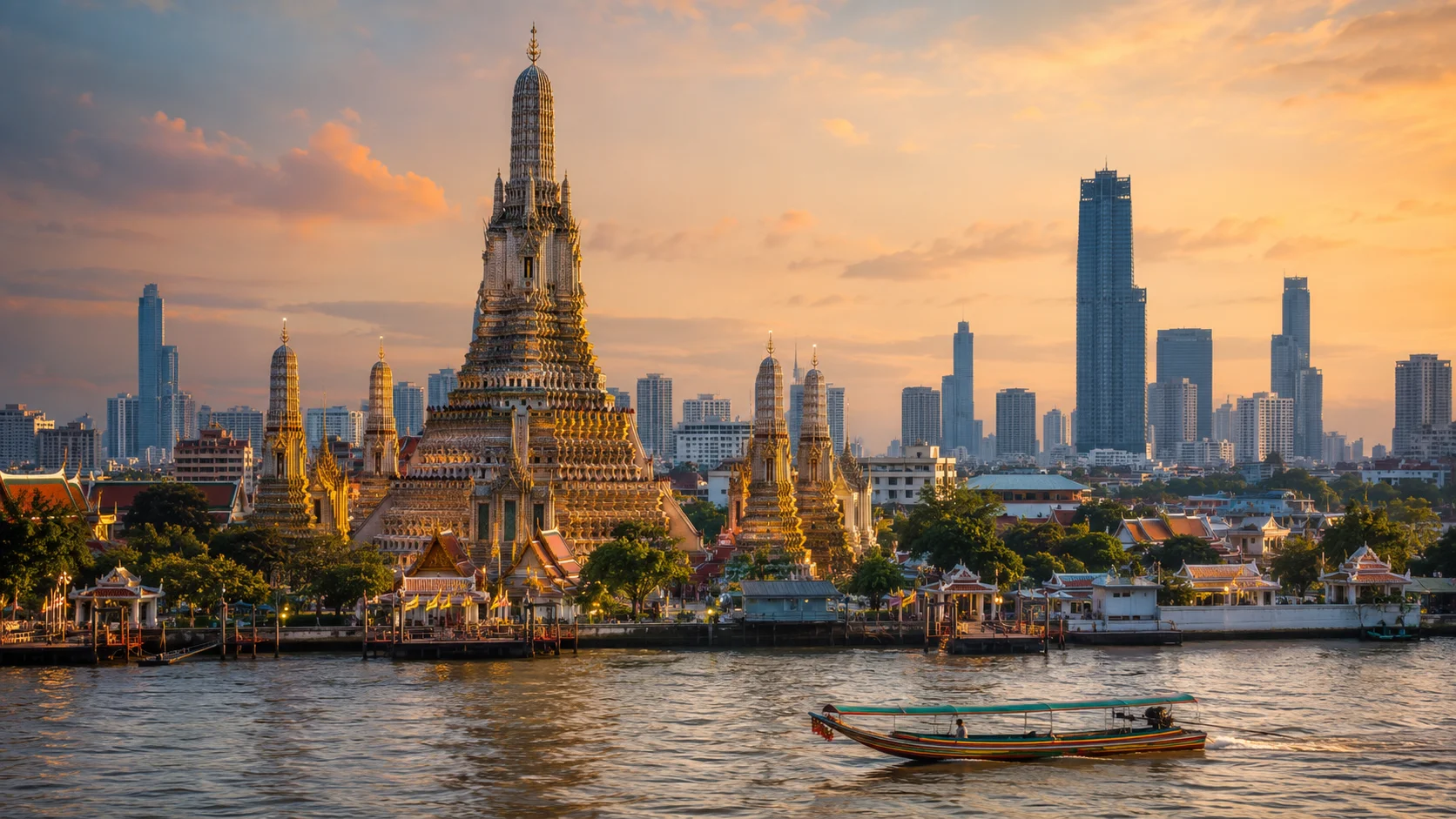
Start early at the Grand Palace and Wat Phra Kaew, then continue to Wat Pho. Dress respectfully with shoulders and knees covered. Cross the river for Wat Arun when energy and weather allow, and finish with a public river boat or sunset by the Chao Phraya.
Temple opening arrangements can change for ceremonies, so verify details close to your visit. The Tourism Authority of Thailand is a useful official starting point for destination information.
Day 3: Neighbourhoods and Bangkok food
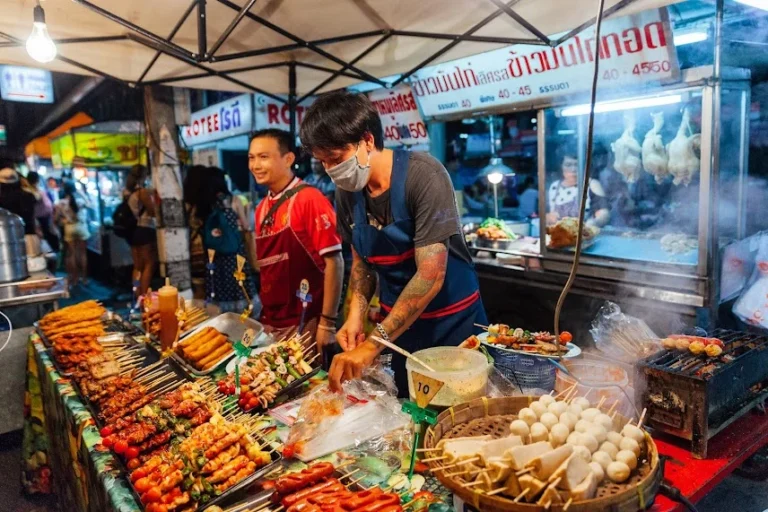
Explore a different side of the capital through Chinatown, Talat Noi or a canal-side community. A small guided food walk helps first-time visitors understand ingredients and ordering customs. Leave enough appetite for grilled skewers, noodles, curries, fruit and a traditional dessert rather than trying everything at one stop.
Day 4: Ayutthaya or a flexible Bangkok day
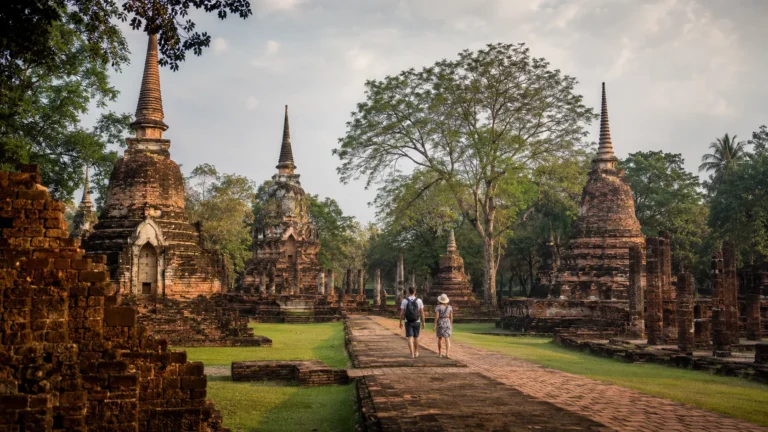
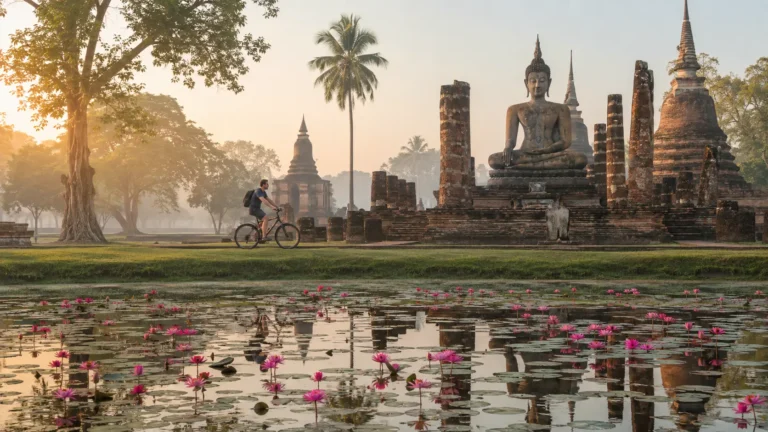
Choose a day trip to Ayutthaya if ancient capitals are a priority. The temple ruins are reachable by train, organised tour or private car. If you prefer less transport, stay in Bangkok for museums, markets, contemporary art or a slower canal excursion.
Days 5–8: Chiang Mai
Day 5: Travel north
A morning flight is the most efficient choice for this itinerary. The overnight train can be memorable and saves a hotel night, but it uses more schedule time and may not deliver deep sleep. After arrival, explore the old city walls, a local café and an evening market.
Day 6: Old City temples and northern cuisine
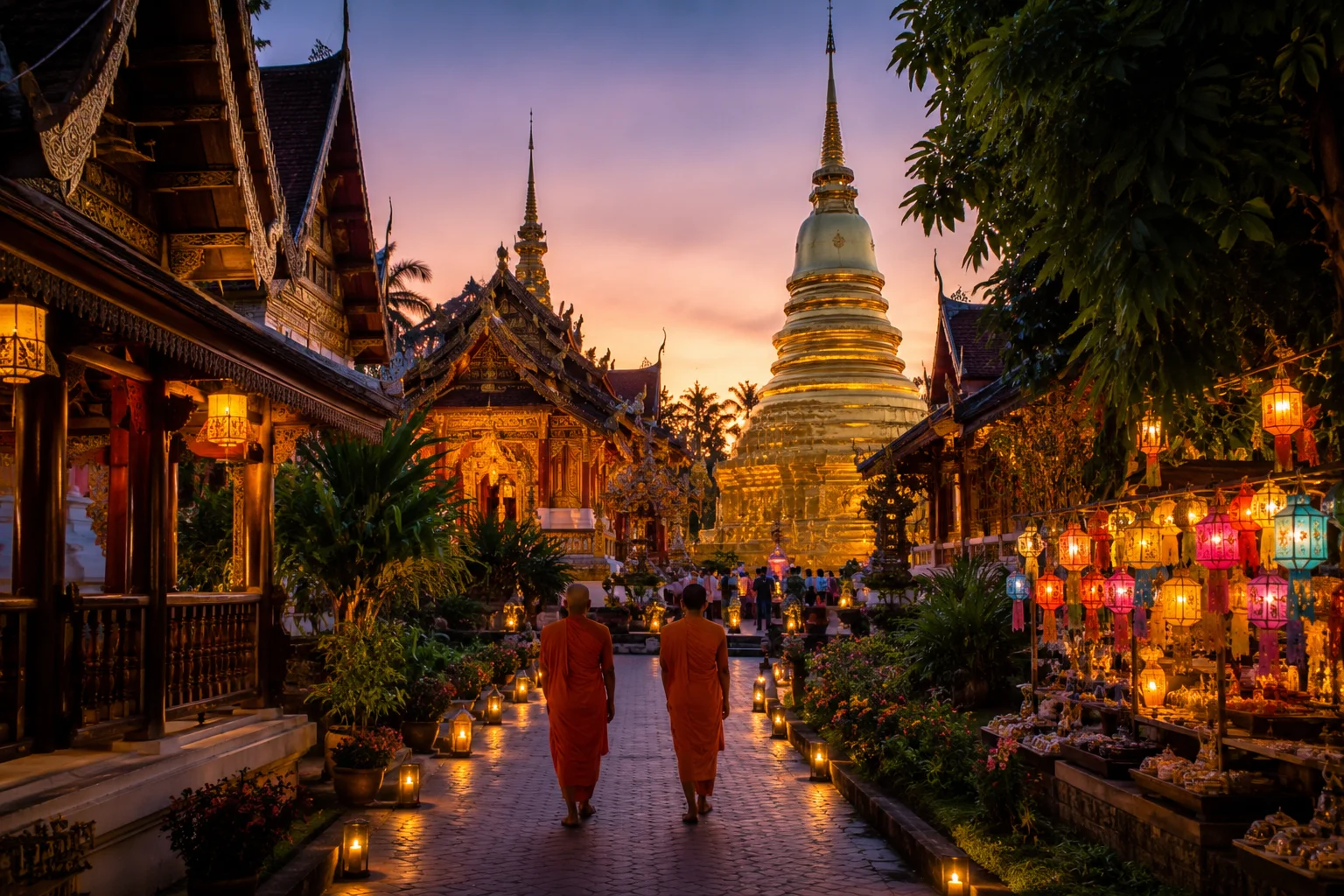
Visit a small selection of temples rather than racing through every famous name. Wat Chedi Luang and Wat Phra Singh are natural anchors. Break for khao soi or another northern dish, then explore craft shops and neighbourhood streets. The official Chiang Mai destination page provides additional ideas.
Day 7: Doi Suthep and mountain scenery
Go early to Wat Phra That Doi Suthep for cooler weather and wider views. Continue to a botanical garden, mountain community or nature trail only if it suits your fitness and interests. Private transport offers flexibility; shared vehicles are cheaper but require patience.
Day 8: Choose a responsible experience
Use this day for a cooking class, craft workshop, cycling route or carefully assessed elephant sanctuary. Avoid venues that promote riding, performances, forced bathing or constant touching. A credible operator should explain animal welfare practices clearly and allow observation without manufacturing interaction.
Days 9–13: Southern Thailand
Day 9: Fly to Phuket or Krabi
Direct flights from Chiang Mai are the simplest when available. Phuket has the widest hotel and dining range, a busy airport and many organised excursions. Krabi offers dramatic limestone scenery and easy access to Railay. Choose one base instead of changing hotels repeatedly.
Day 10: Beach and recovery day
After several sightseeing days, protect one unstructured day. Swim, rest, explore your beach area and watch sunset. This pause is not wasted time; it makes the remaining excursions more enjoyable.
Day 11: Island or marine park excursion
Select a boat trip based on sea conditions, group size and environmental standards. Popular options include Phi Phi, Phang Nga Bay and Hong Islands, depending on your base. Early departures may reduce heat and crowds. Wear reef-conscious sun protection and follow local rules around marine life.
Day 12: Local culture beyond the beach
In Phuket, consider the old town, local food and viewpoints. From Krabi, explore inland communities, a market or gentle nature experience. Keeping a land-based day between boat trips also provides a useful weather buffer.
Day 13: Final free day
Leave the final full day open. Return to a favourite beach, book a spa treatment, enjoy a long lunch or take a short excursion only if the forecast is good. Pack before dinner and confirm the airport transfer time.
Day 14: Departure
Fly home from Phuket or Krabi when your airline offers a practical connection. If the international ticket departs Bangkok, allow a safe connection rather than relying on a tight self-transfer. Separate tickets require extra time for delays, baggage collection and check-in.
When to use the Gulf islands instead
Thailand’s coasts do not share identical weather. Phuket and Krabi are often strongest in the drier months from roughly November to April, while Koh Samui, Koh Phangan and Koh Tao follow a different rainfall pattern. Use current forecasts and seasonal ferry schedules before locking the beach section.
How much will this itinerary cost?
Your total depends on hotel level, domestic flights, private guiding and island tours. Bangkok and Chiang Mai can offer excellent value, while beachfront hotels and boat excursions increase the average. Our Thailand trip cost guide explains realistic budget ranges.
Transport tips for a smoother route
- Use Bangkok’s BTS, MRT and river services when they fit the route; road journeys can be slow at peak time.
- Book domestic flights with enough baggage allowance for your actual luggage.
- Keep passports and essential medicine in hand luggage.
- Use licensed taxis, recognised ride services or pre-arranged transfers.
- Leave a weather buffer before important international connections.
For travellers who prefer private planning, the 16-day Vietnam and Thailand highlights tour shows how Thailand can also fit into a longer regional journey.
Final planning advice
The perfect two-week Thailand itinerary is balanced, not packed. Four nights in Bangkok, four in Chiang Mai and five in the south creates variety without constant movement. Adjust the route for weather, flight times and personal interests, but resist adding another city simply because it appears close on a map.
Book the first nights and major transport in advance, then preserve some flexibility for food, neighbourhood walks and weather changes. Those unscripted hours are often what make a first Thailand trip feel personal.