Three days in Singapore is enough to experience the city’s essential contrasts without turning the trip into a race. You can move from futuristic gardens and the Marina Bay skyline to historic neighbourhoods, hawker centres, museums and tropical green spaces in minutes.
This Singapore itinerary is designed for first-time visitors who want a balanced introduction. It keeps nearby attractions together, uses the MRT efficiently and leaves room for food, rest and Singapore’s evening atmosphere. Opening hours, admission prices and events can change, so confirm priority attractions before departure.
How to use this 3-day Singapore itinerary
The route assumes three full sightseeing days and a hotel near an MRT station. Day one focuses on Marina Bay, day two explores Singapore’s cultural districts and civic centre, and day three combines nature with a final neighbourhood or island choice.
- Day 1: Marina Bay, Gardens by the Bay and the waterfront at night.
- Day 2: Chinatown, Kampong Gelam, Little India and the civic district.
- Day 3: Singapore Botanic Gardens, Orchard or Tiong Bahru, then Sentosa or a relaxed city finale.
If your flight arrives during the morning, begin gently rather than forcing the complete first day. Changi Airport is an attraction in its own right, but immigration, luggage and hotel check-in still consume time.
Before you start: transport, tickets and timing
Singapore’s MRT and public buses cover nearly every stop in this plan. The Land Transport Authority states that visitors can use stored-value cards, eligible contactless bank cards and mobile wallets on public transport. It also lists a one-, two- or three-day Singapore Tourist Pass for unlimited travel on standard buses, MRT and LRT services. Check the latest details through the official LTA journey-planning page.
A tourist pass is convenient, but it is not automatically the cheapest choice. Visitors who take only a few rides may spend less using contactless payment. Use the same card or device for tapping in and out, and avoid mixing a physical card with its mobile-wallet version during one journey.
Pre-book only the attractions that matter most to you. Gardens by the Bay conservatories, museums, observation decks and major events can sell out at busy times. Leave free public areas flexible so weather and energy can guide the day.
Day 1: Marina Bay and Singapore’s modern skyline
Morning: Merlion Park and the waterfront
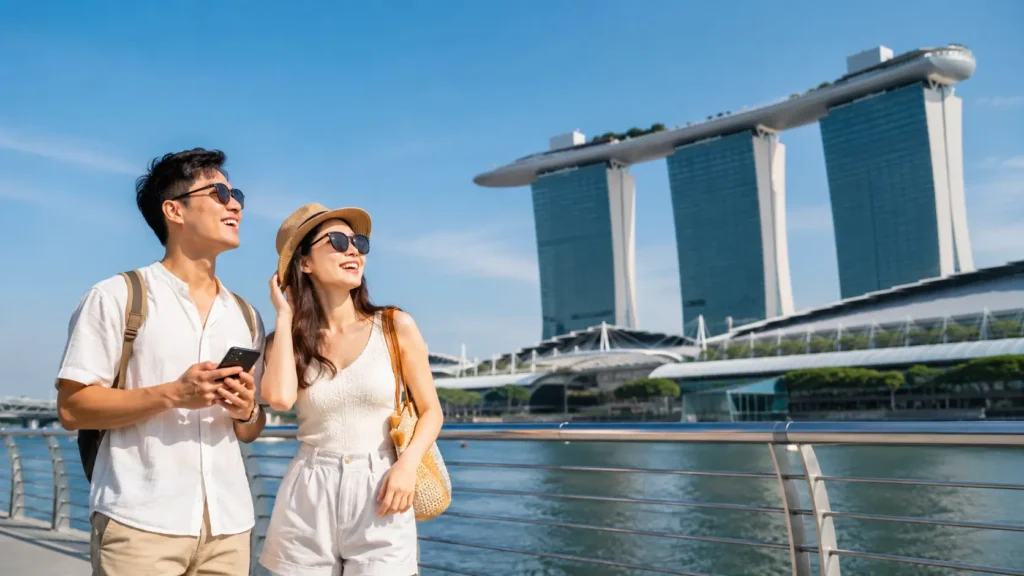
Begin at Raffles Place or City Hall and walk toward the Singapore River and Marina Bay. Early morning gives you softer light, lower temperatures and a calmer view of the waterfront. Merlion Park is a quick first stop rather than a half-day attraction, but its position introduces the skyline and the shape of the bay.
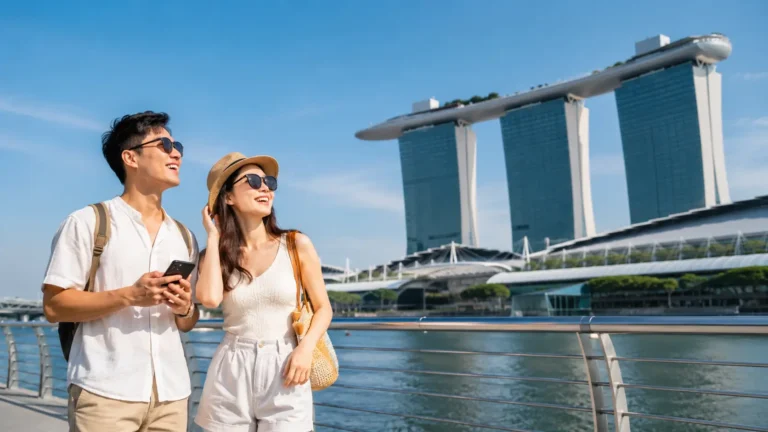
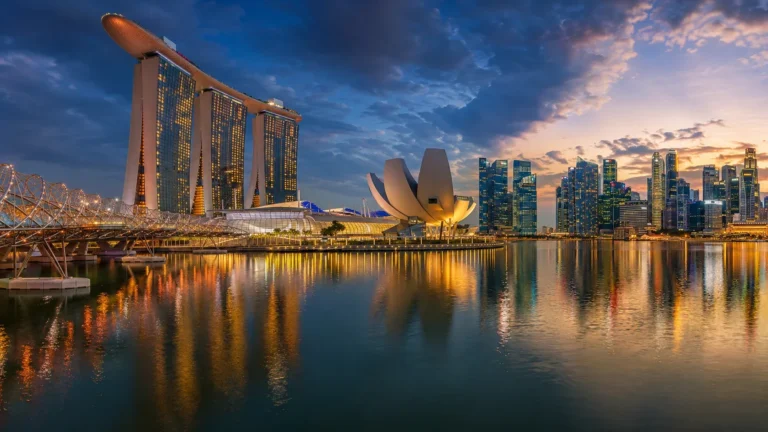
Continue along the promenade toward Esplanade. From here, you can see Marina Bay Sands, the ArtScience Museum and the city’s mix of colonial, commercial and contemporary architecture. Pause for breakfast or coffee instead of rushing directly into ticketed sights.
Late morning: ArtScience Museum or National Gallery
Choose one major indoor attraction. The ArtScience Museum suits visitors interested in immersive exhibitions, design and technology. The National Gallery Singapore is stronger for Southeast Asian art and sits within the former City Hall and Supreme Court buildings.
Trying to visit both on the same morning weakens the experience. Give the selected museum approximately two hours and check current exhibitions before choosing.
Lunch: a hawker-centre introduction
For an accessible first hawker meal, consider Lau Pa Sat in the business district or a food court near Marina Bay. Look beyond the most photographed stall and choose a dish you genuinely want to eat. Chicken rice, laksa, fishball noodles, satay, roti prata and vegetarian Indian meals offer different entry points.
Return trays to the designated station and watch local ordering patterns before joining a queue. Busy hawker centres work efficiently when diners share tables and keep possessions close.
Afternoon: Gardens by the Bay
Walk or take the MRT to Gardens by the Bay. The outdoor gardens and Supertree Grove are different from the ticketed conservatories. The Flower Dome focuses on plants from several world regions, while Cloud Forest creates a cooler mountain environment around a dramatic indoor waterfall.
The official Visit Singapore Gardens by the Bay guide provides an overview, but confirm current opening times and maintenance closures on the attraction’s own website.
Allow two to three hours for both conservatories, or spend less if you prefer the free outdoor landscape. Mid-afternoon is comfortable inside the cooled domes and positions you well for sunset.
Evening: Supertrees and Marina Bay lights
Stay for the Supertree light show when it is operating, then walk back toward Marina Bay Sands. The bay looks completely different after dark. The free Spectra light-and-water show runs on selected evenings; check the current schedule rather than assuming a performance.
For a paid city view, choose either the Sands SkyPark Observation Deck or another rooftop experience, not several. Visit Singapore’s Marina Bay Sands overview summarises the area’s major attractions.
End with dinner around Marina Bay, the river, or a hawker centre. A quiet waterfront walk is often more memorable than squeezing in another ticket.
Day 2: neighbourhoods, heritage and food
Morning: Chinatown
Start before the streets become busy. Visit the Buddha Tooth Relic Temple respectfully, explore shophouse lanes and learn about early migrant communities at a museum or heritage centre if time allows.
Chinatown rewards visitors who look above the souvenir shops. Upper floors, five-foot ways and religious buildings reveal how commerce, housing and worship developed in a compact district. Dress modestly for active temples and follow photography signs.
For breakfast, try kaya toast and coffee or visit a hawker centre for noodles, rice dishes or local snacks. Chinatown Complex offers enormous choice but can feel overwhelming at peak lunchtime.
Late morning: the civic district
Travel or walk toward City Hall. The Padang, St Andrew’s Cathedral, Victoria Theatre, Asian Civilisations Museum and National Gallery sit within a relatively small area. Choose one interior visit based on interest, then spend the rest of the time walking.
The Asian Civilisations Museum is particularly useful for understanding Singapore’s position within regional trade, religion and migration. The river outside provides context for the city’s development as a port.
Afternoon: Kampong Gelam
Take the MRT toward Bugis and walk to Kampong Gelam. Sultan Mosque anchors the neighbourhood, while nearby streets mix textile shops, traditional businesses, cafes and murals. Haji Lane is colourful but small; explore beyond it to avoid reducing the district to one photo stop.
Have lunch around Arab Street or nearby Bugis. Ask before photographing people or inside places of worship, and avoid entering prayer areas during services unless visitors are invited.
Late afternoon: Little India
Continue to Little India by MRT or bus. Browse Tekka Centre, spice and flower shops, religious sites and streets filled with everyday commerce. Sri Veeramakaliamman Temple can be visited when open, but observe dress requirements and leave shoes where directed.
Little India is excellent for an early dinner. South Indian vegetarian meals, biryani, dosa and regional sweets can be outstanding value. If you prefer a slower pace, finish here and return to the hotel.
Evening alternative: Singapore River
Visitors with energy can end at Clarke Quay or Robertson Quay. The river is atmospheric after dark, but nightlife prices can be high. A walk and dessert may be more satisfying than an expensive bar when the next morning starts early.
Day 3: tropical nature and your preferred finale
Morning: Singapore Botanic Gardens
Begin at the Singapore Botanic Gardens while temperatures are lower. The main landscape is free and provides a different view of Singapore from the dense city centre. Paths pass lakes, rainforest fragments, heritage trees and themed gardens.
The National Orchid Garden is the major ticketed area. Allow extra time if orchids and garden design interest you. Bring water, insect repellent and light rain protection, and avoid treating a midday tropical downpour as a disaster—move indoors and adjust.
Lunch and early afternoon: choose one neighbourhood
Select one option based on your interests:
- Orchard Road: convenient for shopping, air-conditioned breaks and a polished urban finish.
- Tiong Bahru: better for art-deco housing, independent cafes and a neighbourhood market.
- Dempsey Hill: relaxed dining and greenery, although less convenient by MRT.
- Joo Chiat and Katong: Peranakan architecture and excellent food, but allow more transport time.
Do not choose all four. A useful three-day itinerary creates focus rather than collecting neighbourhood names.
Late afternoon and evening: Sentosa or a relaxed city finish
Sentosa works for travellers who want beaches, family attractions or a resort atmosphere. Choose one main activity and allow for transport. Universal Studios requires a separate full-day strategy, so it does not fit comfortably into this mixed city itinerary.
Travellers who are not drawn to Sentosa can return to Chinatown, shop on Orchard Road, explore Jewel Changi before an evening flight, or enjoy one last waterfront meal. The best final choice depends on departure time and energy.
Where to stay for three days in Singapore
Location matters more than a large hotel room. City Hall and Bugis are central and versatile. Chinatown provides food and character with strong transport links. Little India can offer better-value rooms near the MRT. Marina Bay is convenient for luxury stays but usually costs more.
For a short visit, avoid saving a small amount on a room that requires repeated long transfers. Compare the hotel with the wider collection of Southeast Asian places on our destinations page when planning a Singapore stopover within a longer regional trip.
How much should you budget?
Singapore can be expensive, but the itinerary mixes free landmarks, public transport, hawker meals and selected paid attractions. Accommodation will usually be the largest cost. Set a daily allowance for meals, transport and admissions, then add the hotel separately.
- Use hawker centres for affordable, varied meals.
- Choose one or two major paid attractions per day.
- Walk between sights that are genuinely close.
- Compare contactless fares with the Tourist Pass.
- Reserve popular attractions directly and review cancellation terms.
Practical tips for a smoother first visit
- Carry water and plan indoor breaks during the hottest hours.
- Pack a compact umbrella for sun and sudden rain.
- Dress respectfully for mosques, temples and churches.
- Follow local rules on littering, smoking and public transport.
- Check the last MRT timing when staying out late.
- Allow airport time even though transport is efficient.
- Use official sources for entry requirements and attraction schedules.
Is three days enough for Singapore?
Three days is ideal for a first overview. You can experience the skyline, several cultural neighbourhoods, major food traditions and tropical greenery without needing a rushed day trip. Four or five days makes room for museums, family attractions, Pulau Ubin, MacRitchie, more neighbourhoods or a slower pace.
If Singapore is a stopover, protect the essentials: one Marina Bay evening, one heritage-and-food day and one nature or neighbourhood experience. That combination gives the trip shape while leaving reasons to return.
Final thoughts
The perfect first Singapore itinerary is not the one with the most attractions. It is the one that moves logically, makes time for meals and lets each district feel distinct. Use this three-day plan as a framework, then adjust it for weather, opening hours, mobility and your own interests.