Bangkok, Chiang Mai and Phuket offer three very different versions of Thailand. Bangkok is fast, energetic and packed with temples, markets, food and nightlife. Chiang Mai is calmer, greener and shaped by northern Lanna culture. Phuket is the easiest choice for beaches, resorts and island day trips.
If you are planning a first trip and cannot decide between Bangkok, Chiang Mai or Phuket, the right choice depends on your travel style, season and available time. This guide compares the three destinations honestly so you can choose one, combine two, or build a balanced route through all three.
Bangkok, Chiang Mai or Phuket at a glance
- Choose Bangkok for iconic temples, street food, shopping, nightlife and the widest transport connections.
- Choose Chiang Mai for northern culture, a slower pace, mountain scenery, cafés and hands-on experiences.
- Choose Phuket for beaches, resorts, island excursions, water activities and an easy tropical finish.
There is no single winner. Bangkok is usually the strongest first stop because most international routes arrive there and the city introduces Thailand’s contrasts immediately. Chiang Mai suits travellers who value culture and atmosphere over nightlife. Phuket works best when relaxation and the sea are the main priorities.
Bangkok: best for energy, food and first-time landmarks
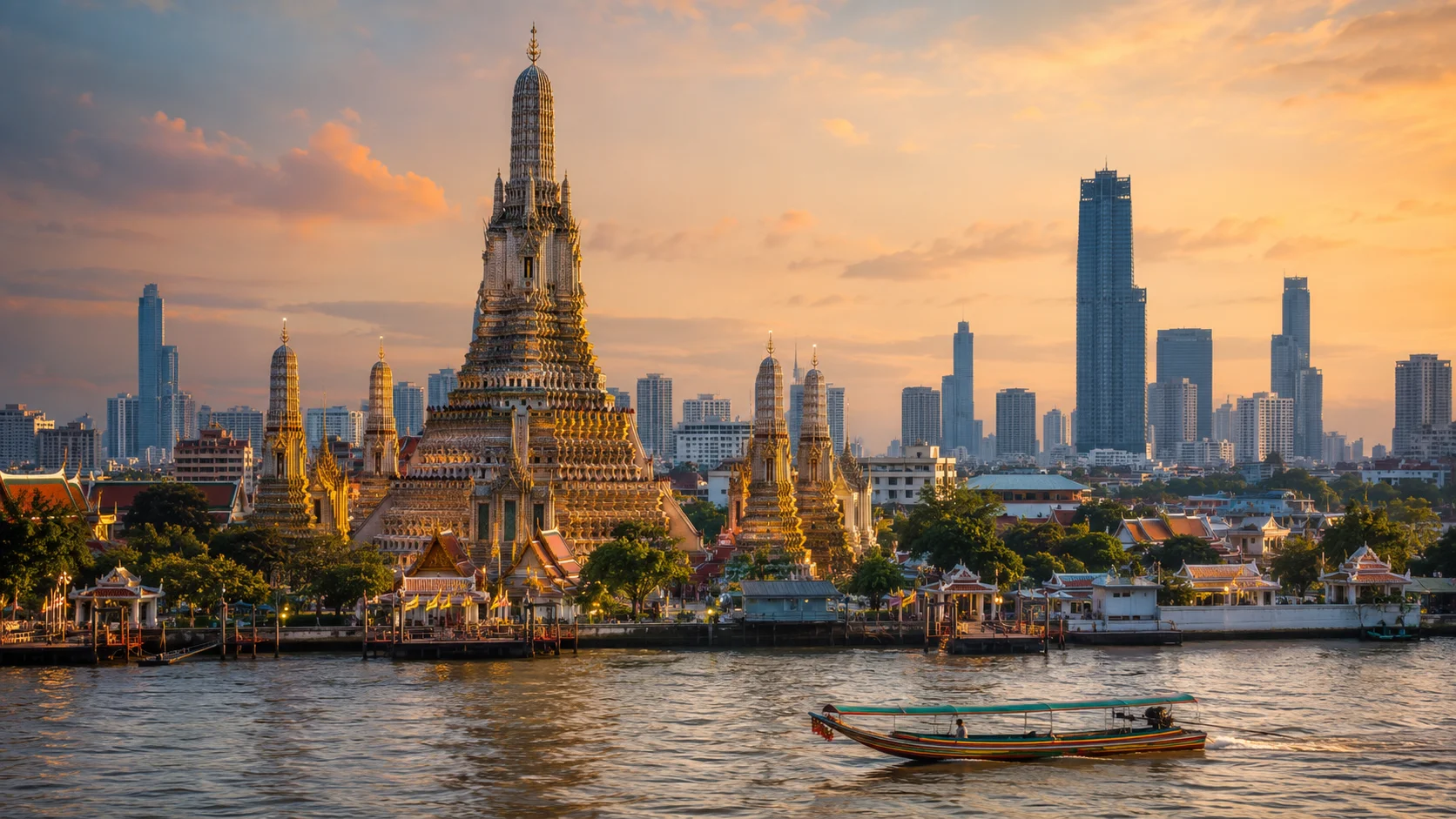
Bangkok is Thailand’s largest city and transport hub. It can feel intense at first, but its variety is exactly why many visitors should begin here. In a single day you can visit a royal temple complex, take a river boat, explore a creative neighbourhood, eat at a street stall and finish at a rooftop bar.
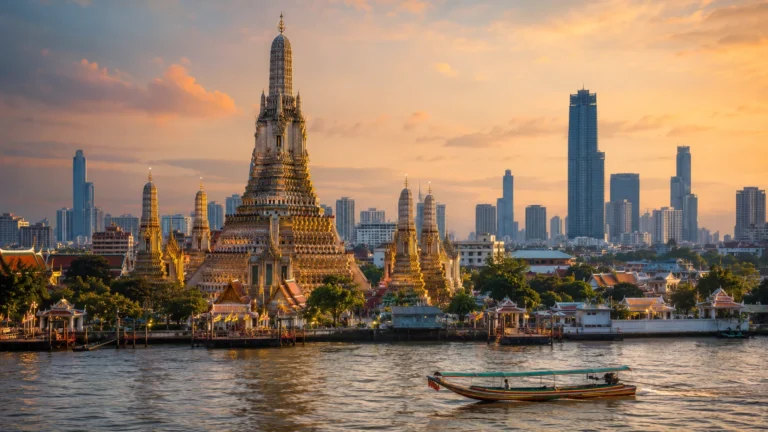
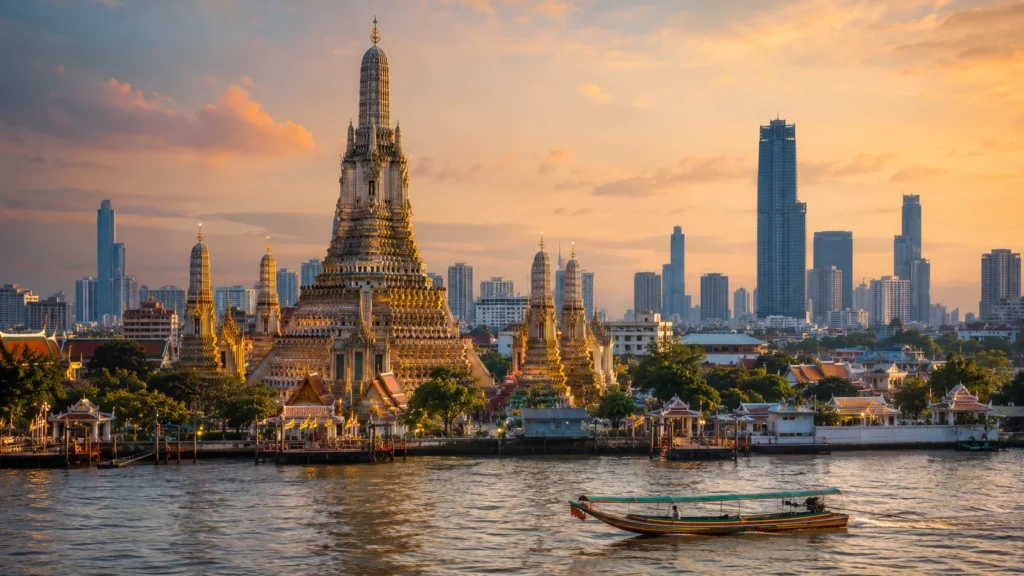
The historic heart includes the Grand Palace, Wat Phra Kaew, Wat Pho and Wat Arun. The Chao Phraya River links many of these sights and gives you a useful break from road traffic. Chinatown, Talat Noi and local markets reveal a more everyday side of the capital, while Siam and Sukhumvit provide air-conditioned shopping, restaurants and convenient rail connections.
The official Tourism Authority of Thailand Bangkok guide highlights temples, museums, parks, markets and shopping areas. Opening hours and ceremonial closures can change, so check official attraction information close to your visit.
Who will enjoy Bangkok most?
- First-time visitors who want Thailand’s most famous cultural sights
- Food lovers who enjoy markets, local restaurants and modern dining
- Travellers who want nightlife, shopping or museums
- People connecting to other parts of Thailand or Southeast Asia
- Visitors who prefer a large choice of hotels at every price level
Possible drawbacks
Bangkok is hot, busy and sometimes tiring. Traffic can turn a short distance into a long journey, and the city rewards travellers who organise each day by neighbourhood rather than chasing attractions across town. If you dislike crowds or large cities, two or three nights may feel sufficient.
Chiang Mai: best for culture, mountains and a slower pace
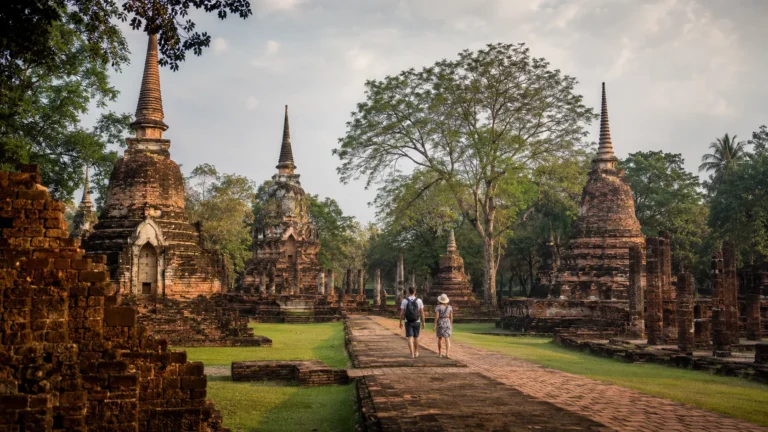
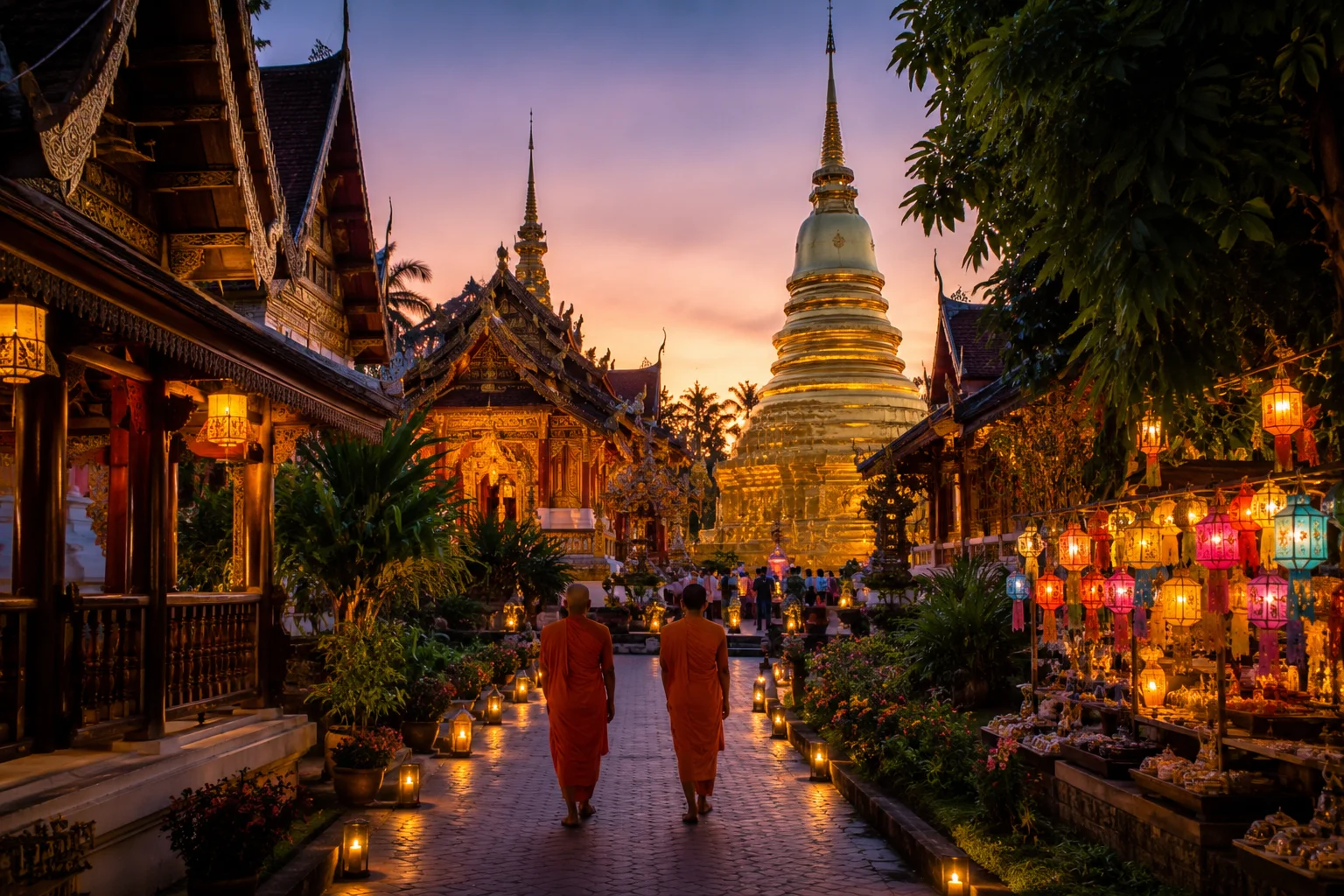
Chiang Mai feels more manageable than Bangkok. The old city contains historic temples, guesthouses and cafés within a compact area, while the wider province opens into mountains, national parks, craft communities and rural landscapes.
Wat Chedi Luang and Wat Phra Singh are natural starting points. Doi Suthep adds mountain views and an important religious site, while markets introduce northern food and local crafts. Cooking classes, cycling trips and workshops can make the visit more participatory than a standard sightseeing schedule.
The official Tourism Authority of Thailand Chiang Mai guide recommends Doi Suthep, walking streets, Doi Inthanon and local cultural experiences. Mountain outings should be chosen according to weather, air quality and your fitness level.
Who will enjoy Chiang Mai most?
- Travellers interested in temples, Lanna culture and traditional crafts
- Couples and solo travellers who prefer a relaxed city
- Visitors who enjoy cafés, markets, cooking and creative neighbourhoods
- People who want access to mountains and gentle outdoor experiences
- Longer-stay travellers seeking better value and a slower rhythm
Possible drawbacks
Chiang Mai has no beach, and some mountain attractions require private transport or a full-day tour. The annual smoky season can affect northern Thailand, especially around late February through April, although timing and severity vary each year. Check current air-quality information before committing to outdoor plans.
Phuket: best for beaches, resorts and island trips
Phuket is Thailand’s most convenient major beach destination. Its international airport, large hotel inventory and extensive tour network make it easy to add a seaside stay without complex logistics. However, Phuket is a large island rather than one small beach town, and each area creates a different experience.
Patong has the busiest nightlife and widest tourist services. Kata and Karon offer popular beaches with a more balanced atmosphere. Quieter northern and southern areas suit resort stays, while Phuket Old Town provides colourful architecture, cafés and local food away from the sand.
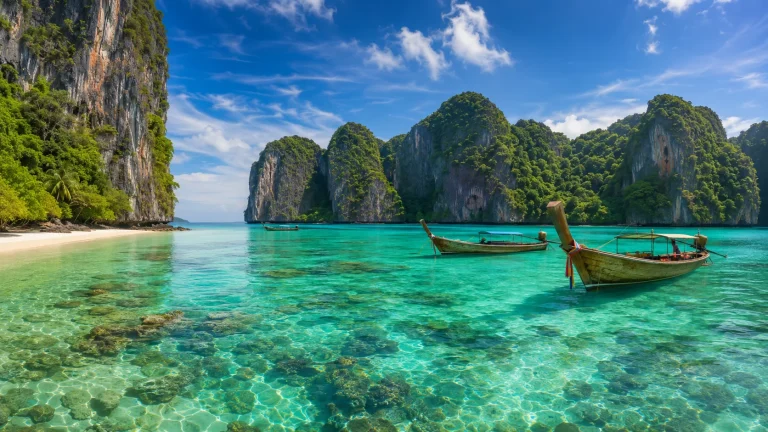
Boat excursions can reach Phang Nga Bay, Phi Phi and other islands, but sea conditions, route rules and crowd levels matter. Choose a licensed operator, follow marine-park guidance and do not treat every advertised trip as suitable in every season.
Who will enjoy Phuket most?
- Travellers whose main goal is beach time and warm-weather relaxation
- Families wanting resorts, pools and organised activities
- Couples looking for a comfortable tropical finish
- Visitors interested in boat trips, snorkelling or coastal scenery
- People who want direct flights and a broad hotel selection
Possible drawbacks
Phuket is usually more expensive than Chiang Mai and can feel highly developed. Travel between beaches takes time, and taxis or private transfers can add significantly to the budget. During rough-sea periods, swimming warnings and boat cancellations must be taken seriously.
Which destination is best for your travel style?
For culture and history
Choose Bangkok for royal landmarks, major museums and the widest range of historic sites. Choose Chiang Mai if you prefer living northern traditions, smaller temples and craft culture. Phuket has heritage in its old town, but culture is usually secondary to its coastal appeal.
For food
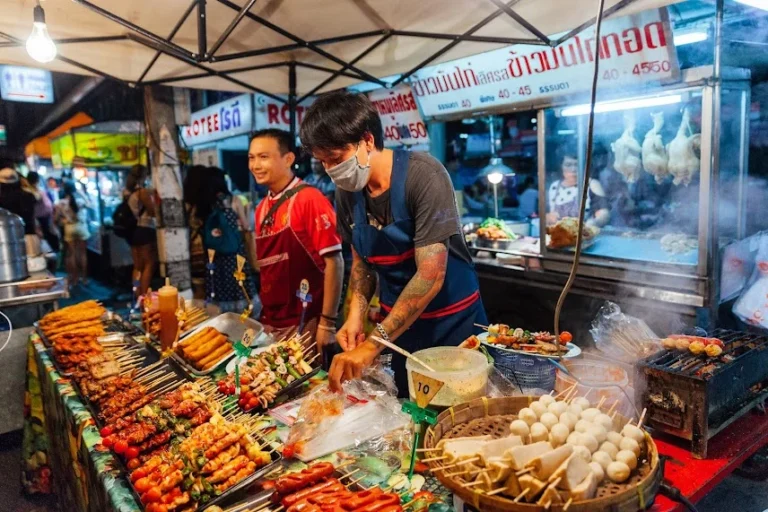
Bangkok has the broadest food scene, from street stalls to fine dining. Chiang Mai is ideal for northern dishes such as khao soi and sai ua in a more relaxed setting. Phuket adds southern flavours and seafood, though restaurants in resort zones can cost more.
For nightlife
Bangkok offers the greatest variety, including night markets, live music, cocktail bars and clubs. Phuket’s Patong area is lively and tourism-focused. Chiang Mai has night markets and bars but generally feels quieter.
For families
Phuket can be easiest for families who want a resort base, pool and beach. Bangkok works well for families comfortable with urban transport and shorter sightseeing days. Chiang Mai is attractive for cooking, crafts and nature, but responsible selection of animal-related activities is essential.
For budget-conscious travellers
Chiang Mai usually offers the strongest value for accommodation and meals. Bangkok covers every budget but transport and attractions accumulate. Phuket can be affordable away from premium beachfront zones, although transfers and boat tours increase spending. Review our Thailand trip cost guide before setting your daily budget.
Which destination is best by season?
November to February is generally comfortable for Bangkok and Chiang Mai, with cooler northern mornings. It is also a popular period for Phuket’s Andaman coast, so hotel prices and visitor numbers rise.
March and April are hot across all three destinations. Chiang Mai may also experience poor air quality during the burning season. Bangkok remains practical if you balance outdoor sights with indoor breaks, while Phuket provides sea breezes but intense midday sun.
From roughly May to October, Bangkok and Chiang Mai receive seasonal rain, often in heavy bursts rather than continuous all-day downpours. Phuket’s sea can be rougher during the southwest monsoon. Lower prices may be attractive, but beach travellers need flexible plans and should respect red flags.
How many nights should you spend?
- Bangkok: three to four nights for first-time highlights and one neighbourhood-focused day.
- Chiang Mai: three to five nights, depending on mountain trips and activities.
- Phuket: three to five nights for beach time plus one or two excursions.
If you only have four or five nights in Thailand, choose Bangkok plus one other destination only when flight times are efficient. With seven to ten nights, Bangkok and Chiang Mai make a strong cultural trip, while Bangkok and Phuket combine city energy with the beach. With two weeks, all three fit comfortably. Our 14-day Thailand itinerary shows how to connect them without changing hotels too often.
So, where should you go first?
For most first-time visitors, start in Bangkok. It is the country’s main gateway, gives immediate access to landmark temples and food culture, and makes onward flights or trains straightforward. Continue to Chiang Mai if culture, markets and mountains matter most. Continue to Phuket if your priority is beach relaxation.
If you dislike large cities, fly onward after two nights and give more time to Chiang Mai or Phuket. If your trip is mainly a beach holiday, Phuket can be the first and only base. The best choice is the one that matches your pace rather than the destination that appears most often on social media.
Bangkok, Chiang Mai and Phuket are complementary rather than interchangeable. Bangkok delivers intensity and variety, Chiang Mai offers cultural depth and breathing room, and Phuket provides the easiest tropical escape. Choose one for a short break, combine two for a week, or connect all three for a balanced first journey through Thailand.