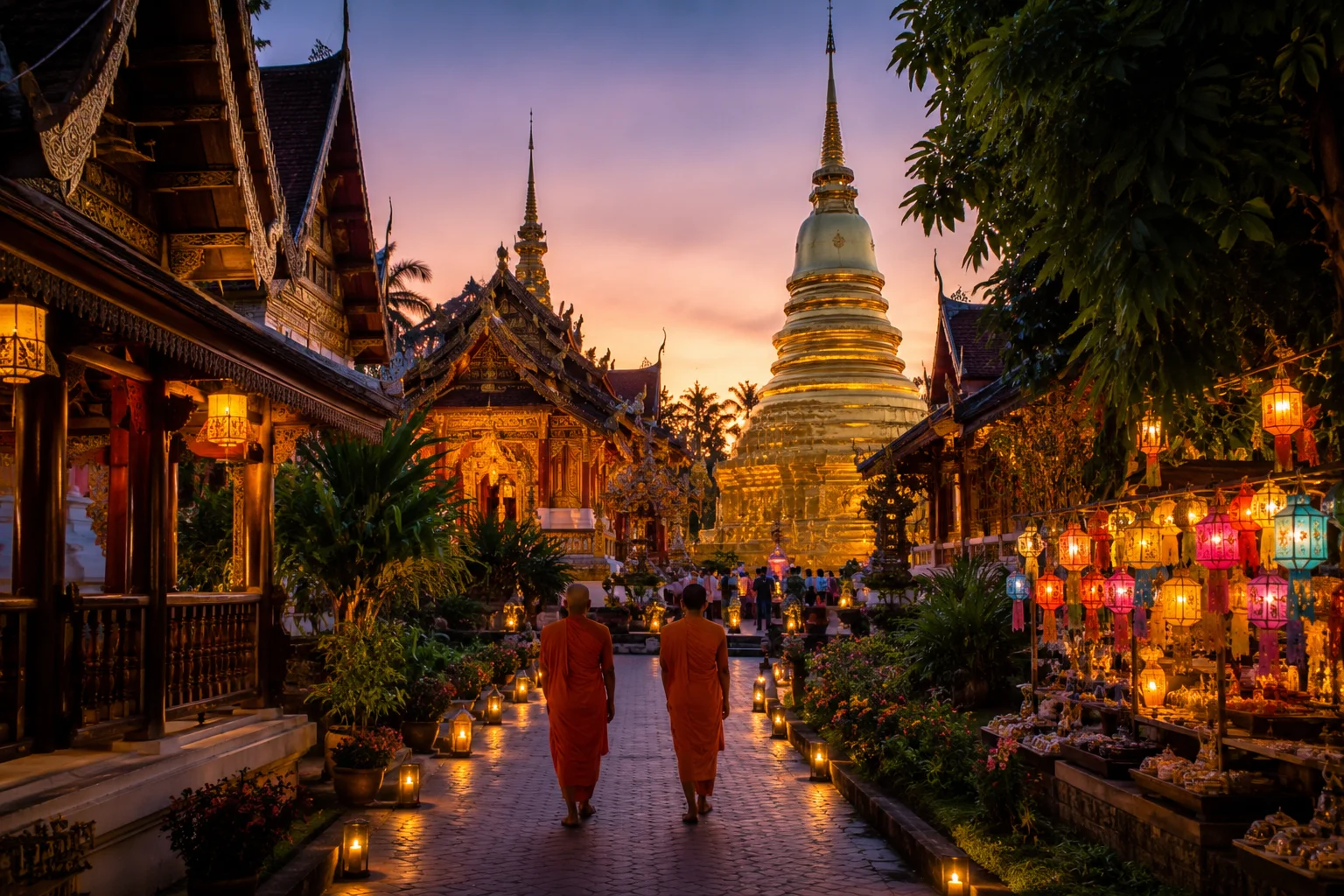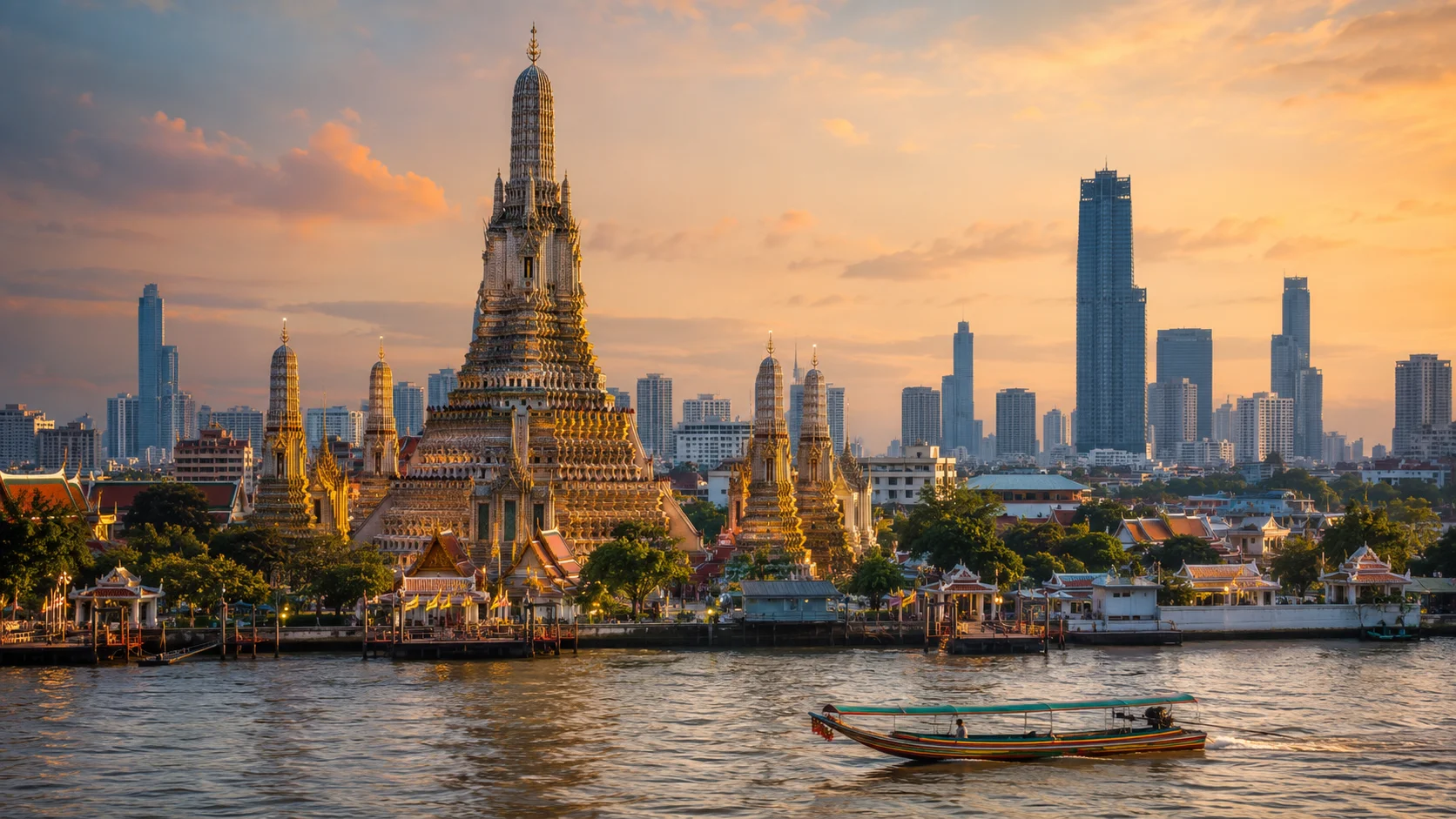
Thailand’s famous islands, temples and cities deserve their reputation, but they are only part of the country’s story. Travellers who slow down and look beyond Bangkok, Chiang Mai and Phuket can find historic towns, mountain landscapes, quiet beaches and community-based experiences with far fewer tour groups.
This guide to Thailand without the crowds introduces 15 quieter places worth considering in 2026. None is completely undiscovered, and local holidays can still bring busy periods, but each offers a calmer alternative to the country’s best-known routes. Use the list to add two or three slower stops to a longer journey rather than trying to see everything at once.
Why explore quieter places in Thailand?
Secondary destinations reward travellers with more space, longer conversations and a better sense of regional life. Your spending can also reach family-run guesthouses, guides, restaurants and transport providers outside the busiest tourism centres. The trade-off is that English may be less widely spoken, public transport may run less frequently and advance planning matters more.
Before choosing a destination, compare the season, road access and local events. Some islands close businesses during the monsoon, mountain visibility changes with weather and national parks may restrict access for safety or conservation. The official Tourism Authority of Thailand website is a useful final check.
15 quieter places to visit in Thailand in 2026
1. Nan: temples, art and northern slow travel
Nan is a small northern city surrounded by green hills and rural communities. The compact centre has traditional temples, local cafés and a relaxed evening atmosphere. Wat Phumin is known for its distinctive murals, while Wat Phra That Khao Noi offers a wide view over the valley. The official Nan destination page also highlights Doi Phukha National Park and the Nan National Museum.
Allow two or three nights in town and longer if you want to explore the province by private car. The cooler, drier months are comfortable for outdoor travel, while the green season brings lush scenery and occasional transport delays.
2. Chiang Khan: a gentle Mekong riverside stay
Chiang Khan in Loei province is an attractive choice for wooden architecture, cycling and sunrise views along the Mekong. The walking street becomes lively on weekends, but mornings and weekdays remain calm. Spend time outside the main street, visit nearby viewpoints and support locally owned accommodation instead of treating the town as a photo stop.
3. Phu Ruea and Loei: cool air and mountain scenery
Loei combines national parks, rural landscapes and distinctive festivals. Phu Ruea is more accessible than some trekking-focused parks, and Chiang Khan can be included in the same regional journey. According to the Tourism Authority of Thailand’s Loei guide, key highlights include Phu Ruea, Phu Kradueng and the Phi Ta Khon Festival. Festival dates bring crowds, so visit outside the celebration if peace is your priority.
4. Sukhothai’s quieter corners
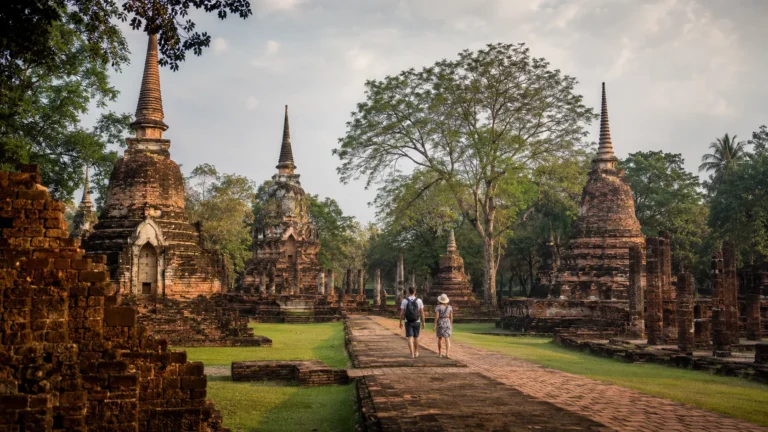
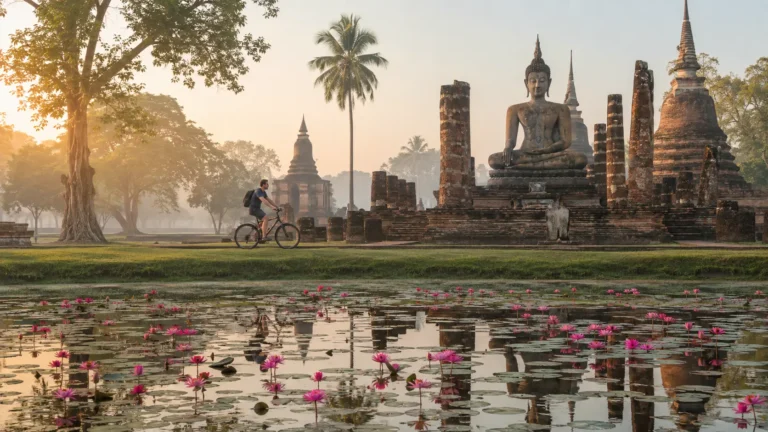
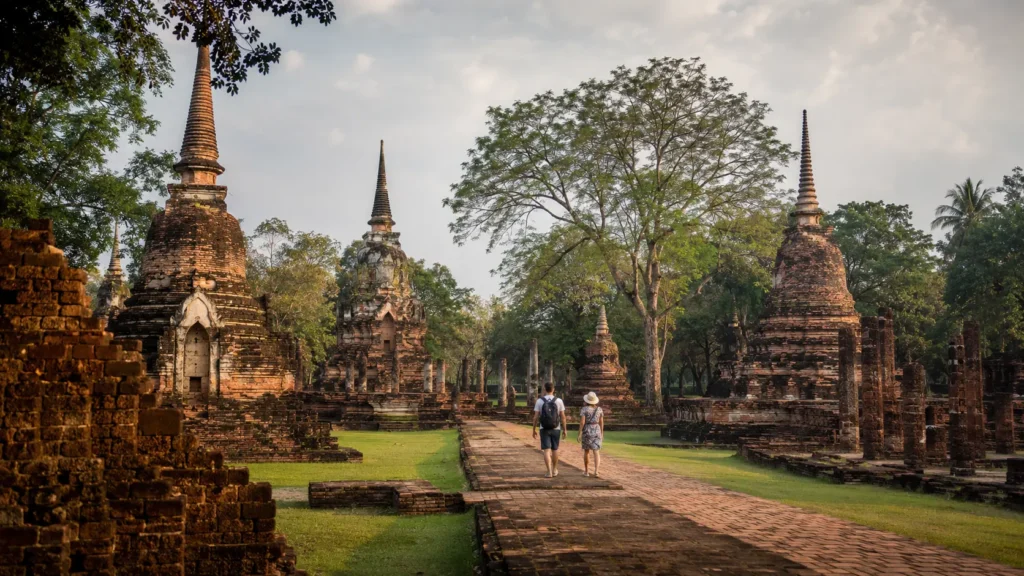
Sukhothai Historical Park is well known, yet it often feels far calmer than Thailand’s major city attractions. Rent a bicycle early in the morning and continue beyond the central zone to less-visited temple groups. Stay two nights so you can explore without rushing and add Si Satchanalai, another historic park with atmospheric ruins and fewer visitors.
5. Lampang: heritage streets and local neighbourhoods
Lampang is an easy rail stop between Bangkok and Chiang Mai. Its riverside neighbourhoods, teak houses, temples and weekend market make it suitable for travellers who enjoy architecture and everyday city life. Walk rather than rushing between attractions, and choose an ethical animal experience only after checking current welfare practices carefully.
6. Phrae: teak mansions and northern culture
Phrae receives fewer international visitors than neighbouring Chiang Mai or Chiang Rai. The old town contains teak mansions, temples and small museums, while nearby countryside adds caves and forest scenery. A private driver is useful for day trips, but the centre itself is manageable by bicycle or short local transfers.
7. Uthai Thani: riverside life and forest access
Uthai Thani offers a quiet riverside atmosphere within reach of Bangkok. Wat Tha Sung is the best-known sight, but the destination becomes more rewarding when paired with local markets, boat travel and nature around Huai Kha Khaeng Wildlife Sanctuary. Wildlife access requires responsible planning: use authorised guides, follow park rules and never expect guaranteed sightings.
8. Phetchabun: mountain viewpoints and temples
Phetchabun is popular with Thai travellers but remains outside many international itineraries. Khao Kho has mountain views and cool-season mist, while Wat Pha Sorn Kaew is known for colourful mosaic decoration. Weekends and public holidays can be busy, so book a weekday stay for quieter roads and viewpoints.
9. Nakhon Phanom: Mekong promenades and multicultural history
Nakhon Phanom sits beside the Mekong in northeastern Thailand. Its promenade, historic buildings and Vietnamese-influenced food culture create a relaxed stay with a strong sense of place. Rent a bicycle, visit local temples and allow unplanned time by the river. It also pairs well with other Isan destinations for travellers who prefer overland journeys.
10. Chanthaburi: old-town food and fruit country
Chanthaburi is a practical quieter alternative east of Bangkok. The riverside community has heritage buildings, cafés and a cathedral, while the wider province offers orchards, waterfalls and coastal scenery. Fruit season is especially interesting, but weather and harvest dates vary. Avoid buying wildlife products or coral souvenirs.
11. Prachuap Khiri Khan town
Many travellers pass through the province on the way to busier resorts, but Prachuap Khiri Khan town has a peaceful bay, local seafood and a slower rhythm. Ao Manao is the main beach, and nearby viewpoints reward active visitors. The town works well as a rail stop and feels very different from a resort-focused holiday.
12. Khanom: a low-key Gulf coast break
Khanom in Nakhon Si Thammarat province offers long beaches and a quieter alternative to the Gulf’s famous islands. Development is spread out, so a scooter or private car is helpful for confident travellers. Pink dolphin tours are promoted locally, but choose operators that keep a respectful distance, avoid feeding wildlife and limit disturbance.
13. Nakhon Si Thammarat: culture beyond the beaches
Nakhon Si Thammarat combines an important temple city with waterfalls, villages and coastal routes. The Tourism Authority’s official province overview notes undeveloped beaches and national parks in the forested interior. Base yourself in town for food and history, then explore Kiriwong or the coast with enough time for changing weather.
14. Trang islands: quieter Andaman alternatives
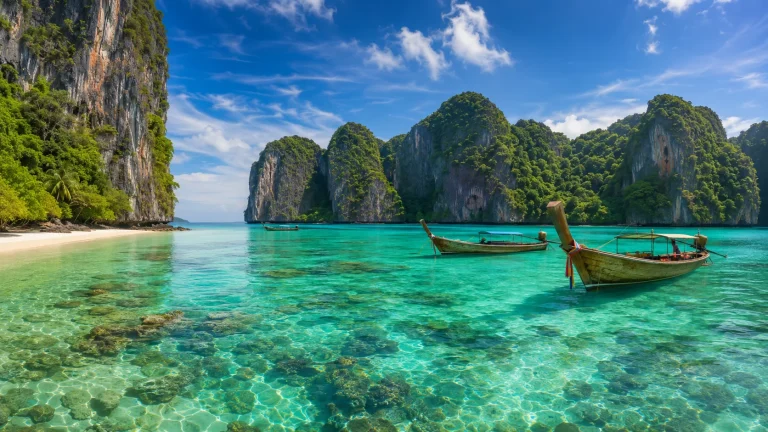
Trang’s islands—including Ko Muk, Ko Kradan and Ko Libong—can feel calmer than Phuket or the busiest Phi Phi routes. The official Trang guide highlights Emerald Cave, white-sand beaches and seagrass habitat used by dugongs. Visit in the appropriate Andaman season, respect marine-park rules and avoid touching coral.
15. Satun mainland and lesser-known islands
Satun is often treated only as a gateway to Ko Lipe, but the mainland has caves, geopark landscapes and community tourism. Travellers with additional time can explore beyond the main ferry route, using licensed boats and local guides. Island schedules are highly seasonal, so confirm transfers and accommodation before travelling.
How to plan Thailand without the crowds
Choose destinations that fit naturally into your route. Nan and Phrae work with a northern journey; Loei and Nakhon Phanom suit an Isan itinerary; Chanthaburi is convenient from Bangkok; and Trang, Satun or Nakhon Si Thammarat fit a southern route. A quieter place can become stressful if you spend most of the trip changing vehicles.
- Travel on weekdays and avoid Thai public-holiday weekends.
- Stay at least two nights rather than arriving for a rushed day trip.
- Check seasonal park, ferry and trail access before booking.
- Use local guides where language, wildlife or remote access requires expertise.
- Carry cash in small towns while keeping a backup payment option.
- Dress respectfully at temples and ask before photographing people.
When should you go?
November to February is generally comfortable for northern and central travel, but it is also Thailand’s busiest season. March and April can be very hot, and smoke can affect parts of the north. The rainy season brings green landscapes and lower demand, although downpours, rough seas and temporary closures can disrupt plans. Southern coasts have different rainfall patterns, so check the specific side of the peninsula rather than applying one national forecast.
Build a balanced Thailand itinerary
For a first trip, combine one major gateway with one quieter region. Our 14-day Thailand itinerary provides a practical route framework, while the Thailand trip-cost guide helps you estimate transport and accommodation. You can also explore the wider Thailand travel collection before choosing your stops.
Final thoughts
Seeing Thailand without the crowds does not require finding a secret place. It means travelling at a better pace, choosing secondary destinations thoughtfully and respecting the communities that make them special. Pick two or three places that match your interests, allow enough time for local transport and leave space for the unexpected. The result can be a more personal and rewarding Thailand journey in 2026.