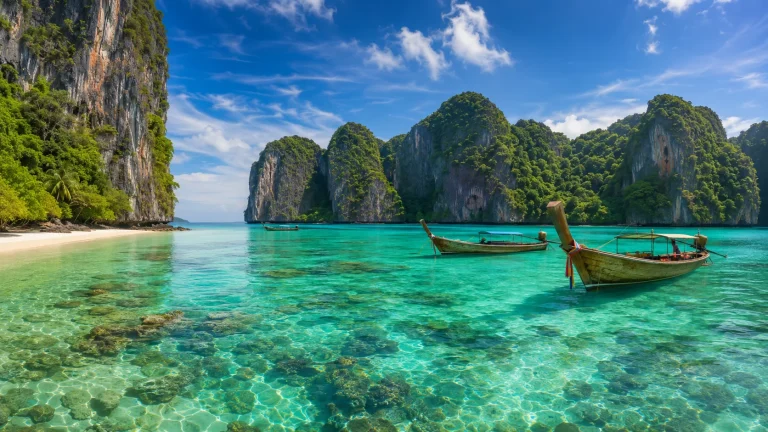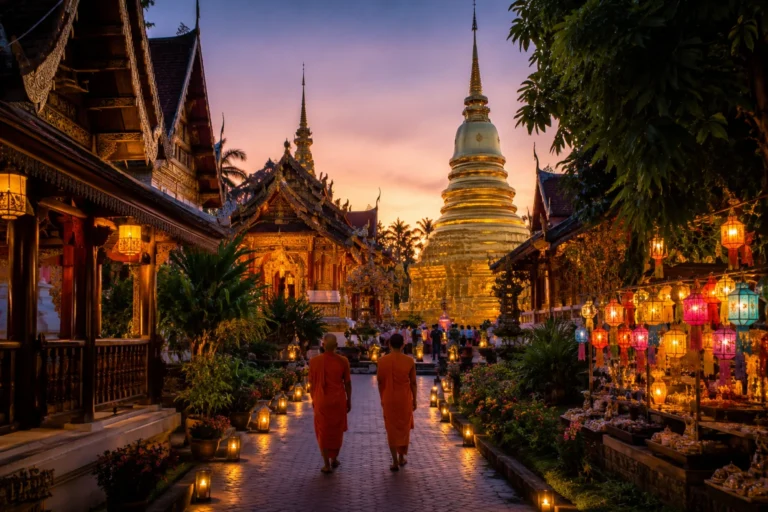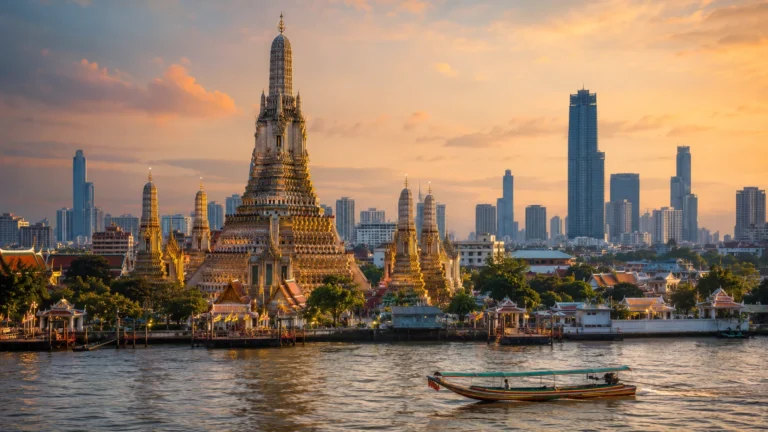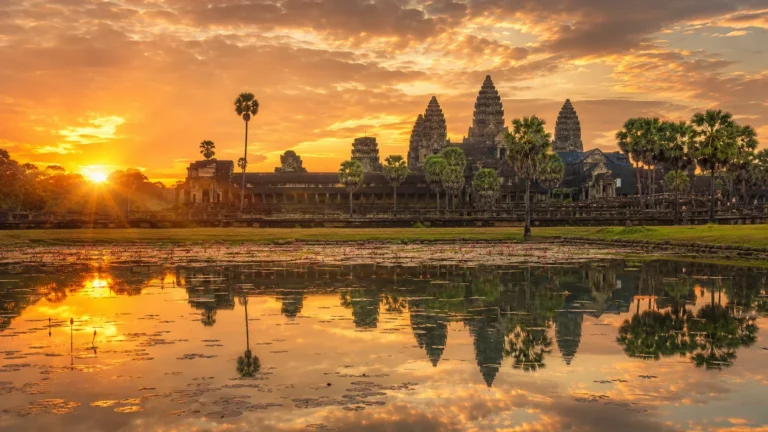

Thailand can still suit almost every travel budget in 2026, but the total depends less on a single national average than on where you go, when you travel and how much comfort you want. A local meal in Chiang Mai may cost a fraction of dinner at a Phuket beach club, while an overnight train can replace both a flight and a hotel night.
This practical Thailand trip cost guide breaks down accommodation, food, transport, attractions and realistic daily budgets. Prices are planning ranges in Thai baht (THB) and US dollars, excluding international flights. Exchange rates move, so use the baht figures when building your final budget.
Thailand Trip Cost in 2026: The Quick Answer
For most travellers, a comfortable independent trip costs about THB 2,500–5,000 per person per day, or roughly US$70–140. That usually covers a well-reviewed mid-range hotel shared by two people, local and casual restaurant meals, a mix of public transport and ride-hailing, plus one paid activity.
- Backpacker: THB 1,200–2,000 (about US$34–57) per person per day
- Value-conscious couple: THB 2,000–3,500 (about US$57–100) per person per day
- Comfortable mid-range: THB 3,500–6,000 (about US$100–170) per person per day
- Luxury: THB 8,000–20,000+ (about US$225–570+) per person per day
These ranges assume two people share a room. Solo travellers normally spend more per person because they carry the full accommodation cost, while families may save through connecting rooms, apartment stays and private transfers.
A Realistic Two-Week Thailand Budget
For a 14-day first trip combining Bangkok, Chiang Mai and one southern beach destination, allow approximately:
- Backpacker: THB 20,000–32,000 (US$570–915) per person
- Mid-range: THB 45,000–75,000 (US$1,285–2,145) per person
- Comfortable private trip: THB 75,000–120,000 (US$2,145–3,430) per person
- Luxury: THB 140,000+ (US$4,000+) per person
Add international airfare separately. Domestic flights, island transfers and premium excursions can also move the total quickly, so keep a contingency of at least 10 percent.
Accommodation Costs in Thailand
Accommodation creates the largest difference between budget levels. Bangkok and Chiang Mai offer strong value across many neighbourhoods, while Phuket, Koh Samui and smaller islands can become expensive during the dry-season peak.
- Hostel dorm: THB 300–700 per bed
- Simple private guesthouse: THB 700–1,500 per room
- Comfortable three-star hotel: THB 1,500–3,000 per room
- Four-star or boutique hotel: THB 3,000–6,500 per room
- Luxury resort: THB 7,000–20,000+ per room
December through February is usually the most expensive period in popular destinations. Christmas, New Year, Lunar New Year and major festivals create additional spikes. The northern green season and southern shoulder months can offer better hotel value, but weather patterns differ between the Andaman and Gulf coasts.
How Much Does Food Cost?
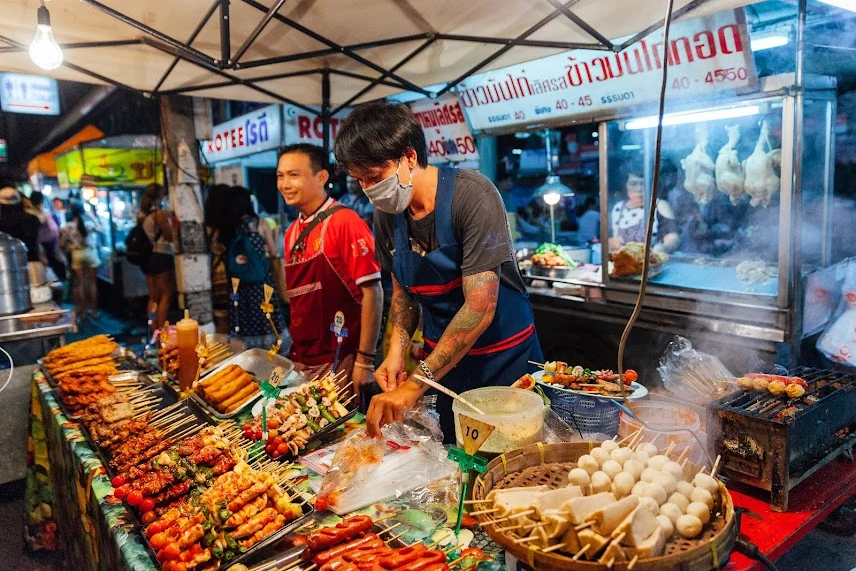
Thailand remains excellent value for food when you mix markets, neighbourhood restaurants and occasional special meals. Street food is not automatically better or safer than a restaurant, so choose busy stalls with high turnover and freshly cooked dishes.
- Street-food dish or local rice meal: THB 50–100
- Casual Thai restaurant meal: THB 100–250
- Café breakfast or Western lunch: THB 180–400
- Mid-range dinner: THB 400–900 per person
- Fine dining or premium rooftop venue: THB 1,500–4,000+ per person
Alcohol can exceed the food bill at nightlife venues. Imported wine and spirits carry higher prices, while water, fruit shakes and local coffee are inexpensive. Hotel breakfasts are convenient, but travellers on a tighter budget can often eat well nearby for much less.
Local and Long-Distance Transport
Getting around cities
Bangkok’s BTS and MRT are usually the fastest choices during busy hours. Public buses and canal boats are cheaper but require more confidence. Metered taxis start at THB 40 under the official fare schedule; insist on the meter and use licensed services. Ride-hailing provides upfront estimates but may add demand-based pricing.
- BTS or MRT journey: commonly THB 17–62 depending on distance and line
- Short metered taxi ride: roughly THB 70–180 before tolls and heavy traffic
- Local songthaew or shared transport: often THB 20–60
- Tuk-tuk: negotiated; tourist-area rides may cost THB 100–300 or more
Travelling between regions
Thailand’s rail and bus networks make overland travel practical. The State Railway of Thailand lists a 2026 Bangkok–Chiang Mai daytime express fare of THB 558, while sleepers cost more according to class and berth. Domestic flights are often competitive when booked early, but checked baggage, airport transfers and peak dates can double the headline fare.
- Long-distance bus: about THB 300–1,000 depending on route and class
- Intercity train: about THB 100–1,800 depending on distance, train and berth
- Domestic flight: commonly THB 1,200–4,000 one way with baggage
- Island ferry or speedboat: about THB 300–1,500 each way
- Private intercity car: often THB 2,500–7,000 per vehicle
Compare the full journey rather than only the ticket. An overnight sleeper can save accommodation, while a cheap early flight may require a taxi before public transport begins.
Attractions, Tours and Experiences
Temples and museums can be inexpensive, but national parks, ethical wildlife experiences, diving and private tours add substantially to a Thailand trip cost.
- Small temple or museum: free to THB 300
- Major Bangkok attraction: roughly THB 200–500
- National park entry: often THB 200–500 for foreign adults, plus local transport
- Group cooking class: THB 900–1,600
- Island day trip: THB 1,200–3,500
- Private guide and vehicle: THB 3,500–8,000+ per group per day
Check exactly what is included. A low advertised tour price may exclude national-park fees, pier transfers, equipment or lunch. For organised routes across the country, compare options on our Thailand and Southeast Asia tours page.
How Costs Change by Destination
Bangkok
Bangkok can be affordable because public transport and local food are abundant. The budget rises with riverside hotels, rooftop bars, shopping and frequent taxis. Staying near a BTS or MRT station saves both time and money.
Chiang Mai and northern Thailand
Chiang Mai generally offers lower accommodation and meal prices than the major islands. Mountain excursions and private drivers are the main extras. During smoky-season conditions, plans may need to change, so flexible bookings are valuable.
Phuket, Krabi and the Andaman coast
Beachfront accommodation, airport taxis and boat tours make Phuket one of the country’s more expensive destinations. Krabi town and inland areas are usually cheaper than resort beaches. Prices rise from December to March.
Koh Samui and Gulf islands
Island logistics raise the cost of goods, taxis and transfers. Accommodation varies widely, but the most desirable beach areas command premiums. Seasonal patterns differ from Phuket, so compare both weather and prices before choosing a coast.
Ways to Save Without Spoiling the Trip
- Travel slowly. Fewer domestic flights and transfers reduce costs and make the trip less tiring.
- Choose the right coast. Shoulder-season savings are useful only when the local weather still suits your plans.
- Stay near public transport. A slightly higher room rate may save money on daily taxis.
- Book trains and popular hotels early. The best-value rooms and sleeper berths sell first.
- Eat a local lunch. Enjoy markets and neighbourhood restaurants, then reserve the budget for one memorable dinner.
- Carry a fee-free card and some cash. ATM and foreign-exchange fees accumulate across a long trip.
- Avoid false economies. The cheapest wildlife or boat tour may compromise safety, welfare or insurance.
Hidden Costs to Include
Allow for travel insurance, visa fees where applicable, laundry, mobile data, tips, baggage, airport transfers and bank charges. Couples should also budget for room deposits, while families may need child seats or larger vehicles. Keep emergency funds separate from daily spending.
A sensible contingency is 10–15 percent of the planned ground budget. Increase it for island-heavy routes, last-minute travel or holiday dates.
Sample Daily Budgets
Backpacker day in Bangkok: about THB 1,500
A hostel bed may cost THB 450, three local meals and drinks around THB 350, public transport THB 150, one admission THB 300 and small extras THB 250. This budget works when you avoid nightlife spending, use trains and buses, and choose free neighbourhood walks alongside paid sights.
Comfortable day in Chiang Mai: about THB 3,800
For one person sharing a room, allow THB 1,200 for the accommodation share, THB 800 for meals and coffee, THB 400 for local transport, THB 1,000 for a class or guided activity and THB 400 for extras. A day without a paid excursion will cost much less, balancing a more expensive countryside outing.
Mid-range island day: about THB 5,500
A shared resort room might contribute THB 2,000 per person, with THB 1,000 for meals, THB 500 for taxis or local transfers, THB 1,500 for a boat activity and THB 500 for drinks and incidentals. On a rest day at the beach, the total may fall below THB 4,000.
Budgeting for Different Travellers
Solo travellers should compare private rooms with social hostels and small group tours. Sharing an airport transfer or excursion can create meaningful savings. Couples benefit most from splitting rooms and private transport, while families should request total prices that include beds, breakfast policies and child admission rules. A family room may cost less than two standard rooms, but availability is limited in boutique properties.
Older travellers and anyone with limited mobility may want a larger transport allowance. The cheapest stations and piers are not always step-free, and a private car can turn a difficult transfer into a comfortable travel day. Digital nomads should budget beyond monthly rent for electricity, coworking access, visa arrangements and travel insurance rather than comparing only apartment listings.
When to Book and When to Pay Locally
Reserve international flights, high-season hotels, sleeper trains and limited-capacity experiences early. Flexible city hotels, local restaurants and simple transfers can often be arranged closer to arrival. Pay deposits only through recognised businesses and keep written confirmation of inclusions, cancellation terms and pickup details.
For a multi-stop trip, build the budget in order: fixed international costs, accommodation, major internal transport, must-do experiences, daily spending and contingency. This prevents one expensive island leg from quietly consuming money intended for the rest of the holiday.
Frequently Asked Questions
Is Thailand still cheap in 2026?
Thailand is still good value, especially for local food, public transport and northern accommodation. Beach resorts, premium nightlife and short-notice domestic travel can be expensive, so the country is affordable rather than uniformly cheap.
How much cash should I carry each day?
THB 1,000–2,000 in smaller notes is practical for meals, local transport and minor admissions, with cards used at established hotels and businesses. Carry less in crowded areas and store reserve cash securely.
Is Thailand cheaper for couples?
Usually yes on a per-person basis because couples share hotel rooms, taxis and private guides. Food and attraction tickets remain individual costs.
What is the biggest Thailand budget mistake?
Moving too quickly is a common mistake. Repeated flights, ferries, transfers and one-night stays cost more and reduce useful holiday time. Three well-chosen regions are normally enough for a two-week first visit.
Plan a Budget That Matches Your Travel Style
A realistic Thailand trip cost in 2026 ranges from around THB 1,200 a day for a careful backpacker to THB 6,000 for a comfortable independent traveller, with luxury budgets extending much higher. Start with accommodation and regional transport, add the experiences you value most, then protect the plan with a contingency. Thailand rewards thoughtful spending: you do not need to choose the cheapest option to receive excellent value.