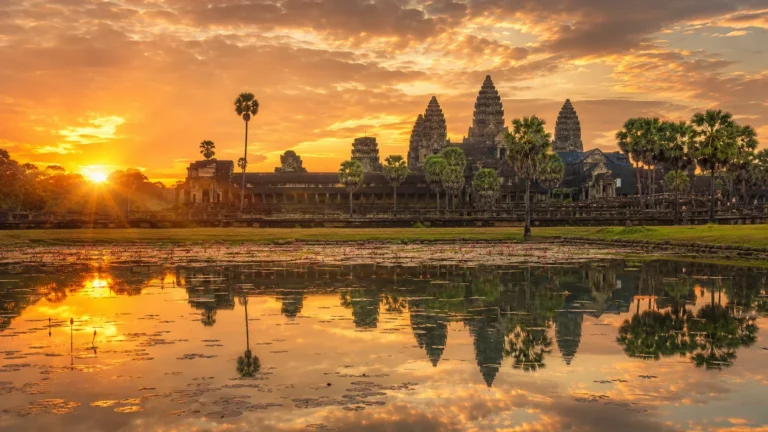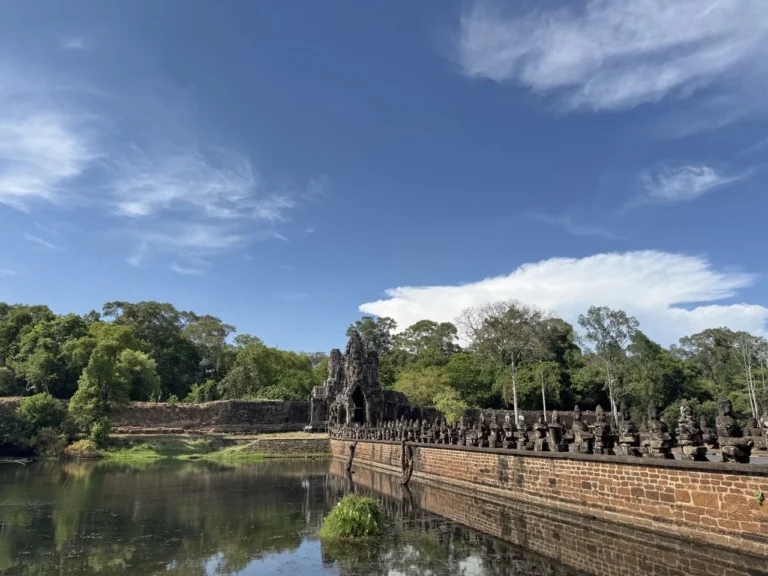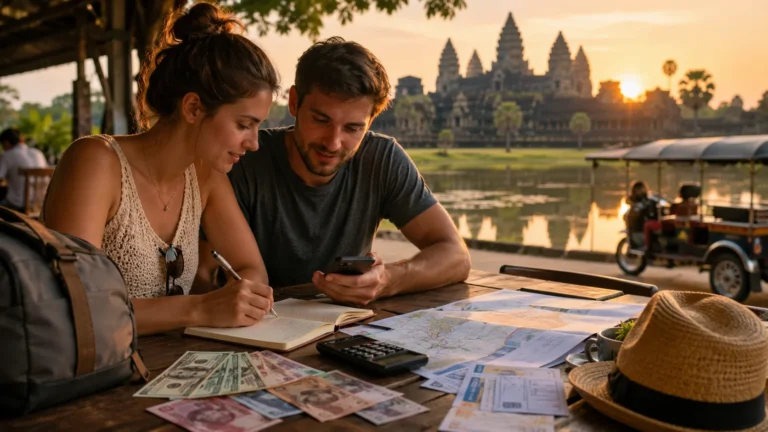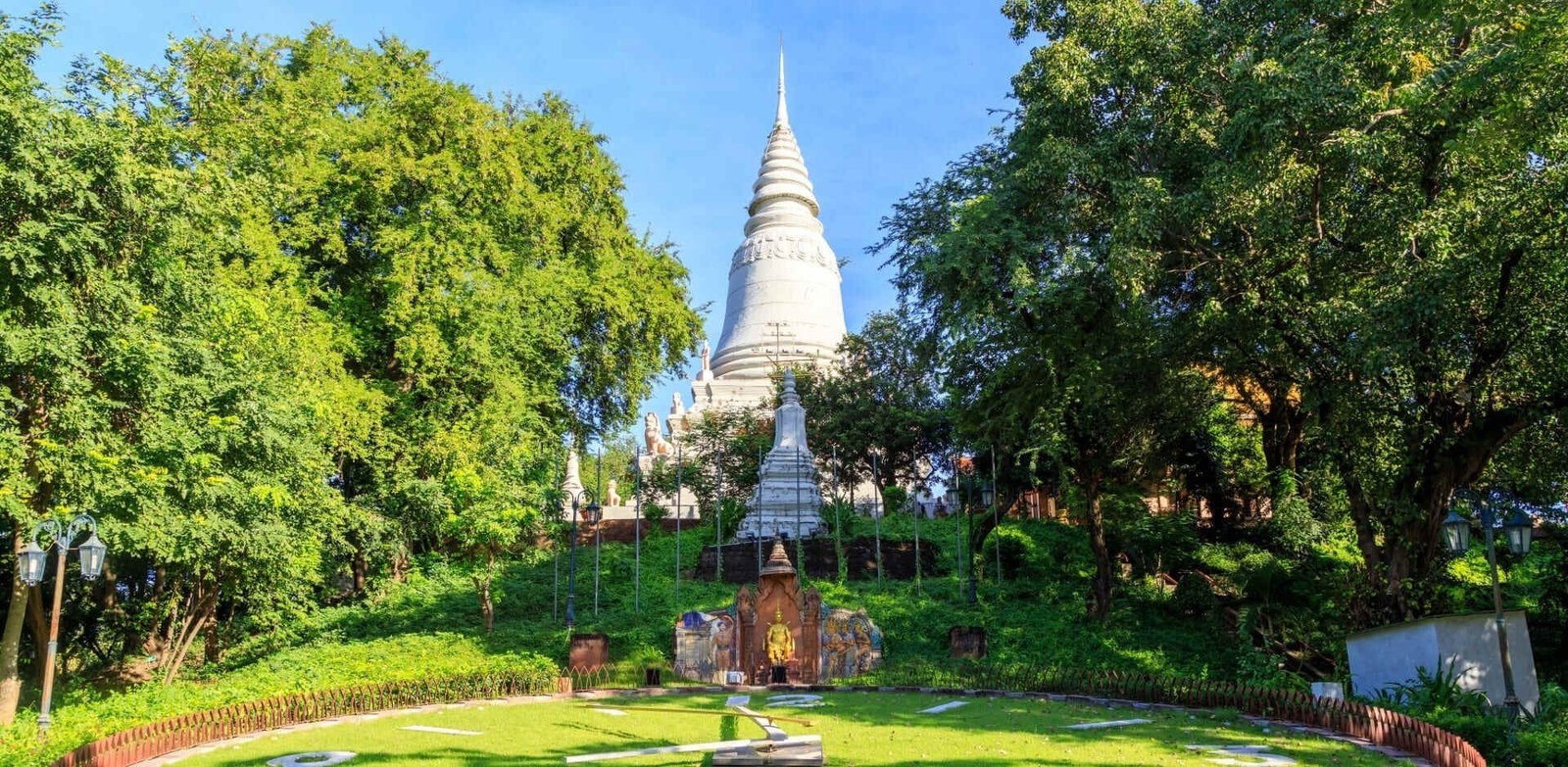
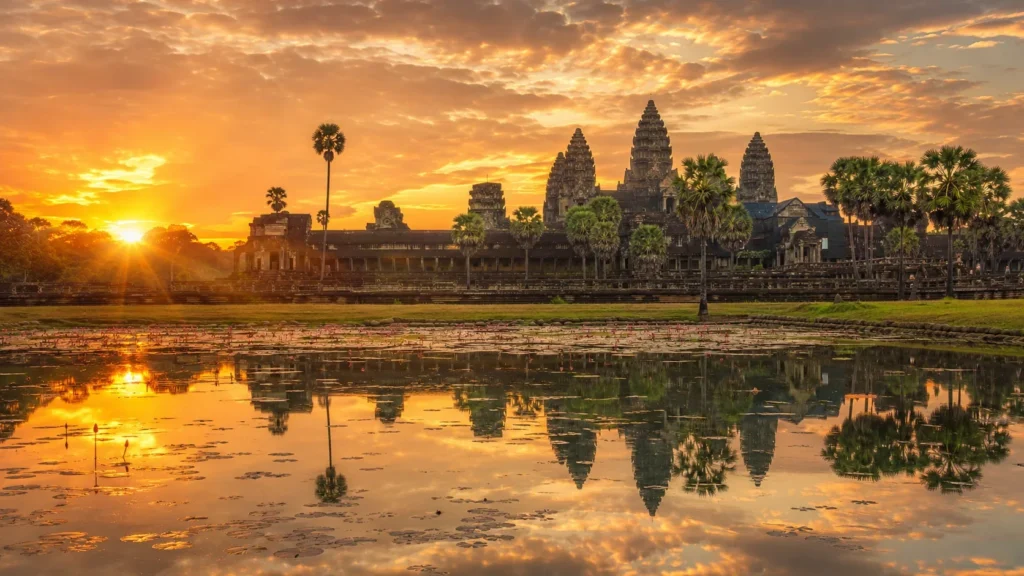
Cambodia rewards travelers who arrive with curiosity and a little practical preparation. The headline sights are extraordinary, but the country is more than Angkor Wat: it is also Phnom Penh’s riverfront, Battambang’s countryside, the pepper farms of Kampot, quiet Mekong towns and warm everyday encounters. These Cambodia travel tips cover the details that make a first journey smoother, from visas and money to temple etiquette, transport and responsible travel.
If you are still deciding where to go, begin with our Cambodia destination guide. You can also compare routes in our Cambodia trip cost guide and explore the 13-day Cambodia historical and relaxing tour.
Before You Travel to Cambodia
1. Check the visa rules for your passport
Visa requirements depend on nationality, entry point and trip purpose. Many visitors can apply online or obtain a tourist visa on arrival, but exceptions apply. Use Cambodia’s official eVisa portal, not an imitation website, and check that your chosen land border accepts an eVisa. Carry a printed or offline copy of the approval and make sure your passport has enough validity and blank pages.
2. Complete the official arrival requirements
Cambodia’s arrival procedures can change, especially as airports adopt digital systems. Review the official immigration instructions shortly before departure and complete any required electronic arrival form within the permitted window. Save confirmation screenshots on your phone because airport Wi-Fi is not guaranteed. Airline staff may also ask for proof of onward travel, accommodation details or a return ticket.
3. Choose your season, not just your dates
November to February usually brings the most comfortable weather, but also higher demand at Angkor and popular hotels. March to May is hotter, so early starts and pool breaks matter. The green season from roughly June to October brings short heavy showers, vivid rice fields and fewer visitors. Rain is heavier near the coast and Cardamom Mountains than on the central plains, so plan by region rather than assuming one forecast represents the whole country.
4. Give Cambodia enough time
A rushed three-day visit can cover Angkor, but it does not show you the country. Seven to ten days allows time for Siem Reap, Phnom Penh and one slower destination such as Battambang or Kampot. With two weeks, add the coast, an island or the northeast. Avoid scheduling a long road transfer immediately after a sunrise temple visit; Cambodia feels best when the itinerary includes space to rest and absorb what you have seen.
Money, Phones and Everyday Practicalities
5. Understand the two-currency system
Cambodian riel is the national currency, while US dollars are also widely used in tourism. Prices may be quoted in either currency and change is often returned in riel. Carry small, clean notes and learn the approximate exchange rate before buying. Torn or heavily marked US-dollar bills may be refused. In markets and local shops, paying in riel can make small purchases simpler and supports everyday use of the local currency.
6. Keep more than one way to pay
Cards and QR payments are common in cities, hotels and better restaurants, but cash remains important in rural areas, markets and small family businesses. Use ATMs attached to banks or located inside secure buildings, and keep a backup card separately. Tell your bank where you are traveling and check foreign withdrawal fees. Never let a card leave your sight in a shop or restaurant.
7. Buy a local SIM or eSIM
Mobile data is inexpensive and useful for maps, translation, ride-hailing and contacting hotels. Buy a SIM from an official counter, where staff can register it correctly, or arrange an eSIM before arrival. Download offline maps for Angkor, islands and rural drives. Keep your hotel’s name, address and phone number saved in both English and Khmer when possible, especially before taking a tuk-tuk late at night.
8. Carry water and protect yourself from the heat
The combination of heat and humidity can make a normal sightseeing day surprisingly tiring. Start early, drink regularly and take a midday break. Use sunscreen, a hat and light breathable clothing. Choose filtered or sealed bottled water and refill responsibly where trusted stations are available. If you develop dizziness, headache or nausea, stop, cool down and rehydrate instead of trying to finish the itinerary.
Temples, Culture and Respect
9. Dress respectfully at sacred sites
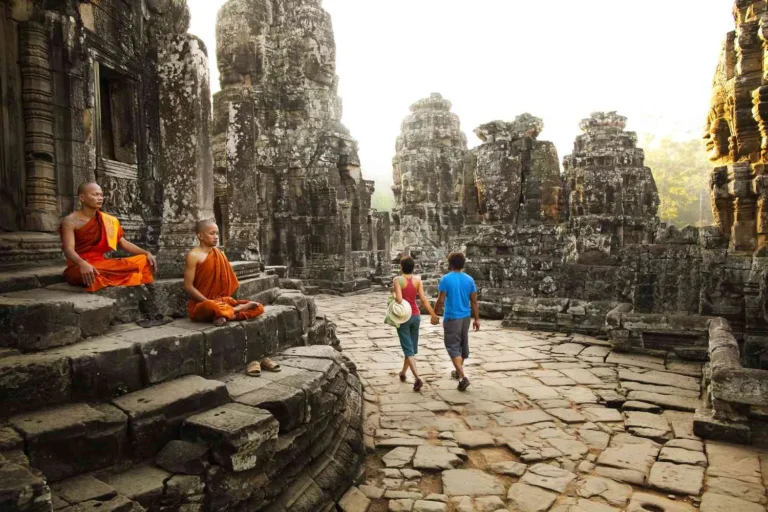
At Angkor and active religious sites, cover shoulders and knees. A scarf alone may not always satisfy temple rules, so wear suitable clothing from the start. Remove hats when appropriate and follow signs around shrines. The official Angkor Visitor Code of Conduct also asks guests not to touch carvings, climb restricted structures or behave noisily at sacred monuments.
10. Treat monks and religious rituals with care
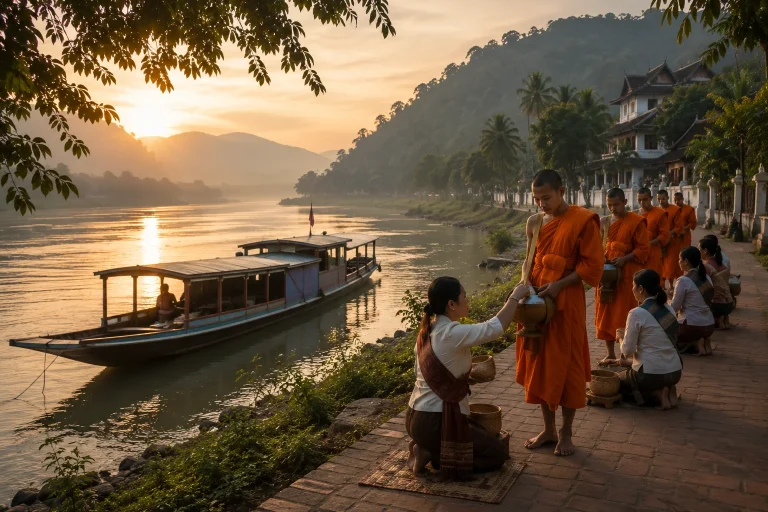
Ask before photographing monks or ceremonies. Women should avoid physical contact with monks, while everyone should keep a respectful distance unless invited closer. Sit with feet pointing away from Buddha images and people. A quiet, observant attitude is always safer than copying another visitor. If you are unsure, follow your guide or watch how Cambodian worshippers behave.
11. Learn a few Khmer words
English is widely used in major visitor areas, but a little Khmer creates warmer interactions. Start with “suosdey” for hello and “aw kun” for thank you. Speak clearly, keep requests simple and be patient when communication takes time. Avoid raising your voice; calmness is valued and usually solves problems faster. A translation app helps, but friendly body language often matters just as much.
12. Ask permission before photographing people
Beautiful markets, villages and ceremonies can tempt visitors to photograph first and interact later. Ask before taking close portraits, especially of children, monks and people at work. Do not photograph military facilities or security checkpoints. At memorial sites such as Tuol Sleng and Choeung Ek, keep poses and social-media behavior respectful; these are places of grief, not ordinary attractions.
Getting Around Safely and Comfortably
13. Agree on transport details before leaving
For a street tuk-tuk or private car, confirm the total price, destination, waiting time and whether the fare is per person or per vehicle. Ride-hailing apps can reduce negotiation in Phnom Penh and Siem Reap. For longer transfers, ask what vehicle is provided, how many stops are planned and whether luggage space is adequate. A slightly higher price for a safe, maintained vehicle and rested driver is worthwhile.
14. Allow realistic time between cities
Distances may look short on a map, but traffic, road conditions and rest stops add time. Do not build an itinerary around perfect journey estimates. Choose reputable bus or minivan operators, keep valuables with you and arrive early at the departure point. Private transfers cost more but are useful for families, groups, photographers and travelers who want to stop in the countryside.
15. Be cautious with scooters
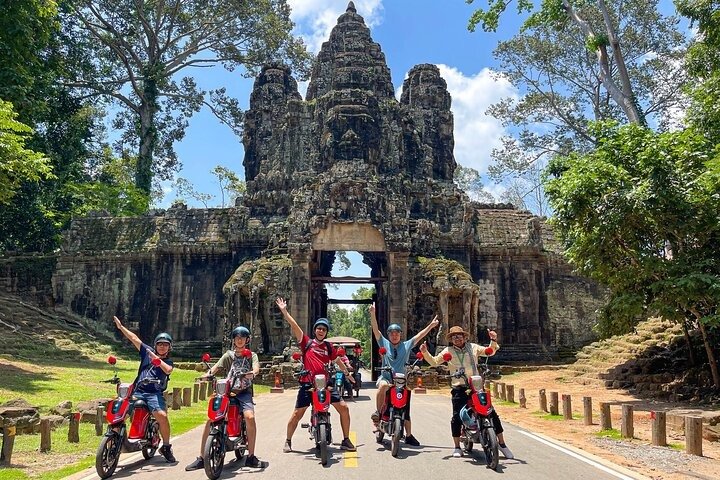
Scooters provide freedom, but unfamiliar traffic patterns, limited lighting and variable road surfaces create real risk. Confirm that your licence and insurance cover riding in Cambodia, always wear a proper helmet and never ride after drinking. If you lack experience, hire a tuk-tuk or car with a driver. At Angkor, scooter access is possible, but the official rules and local traffic requirements still apply.
16. Protect valuables without becoming anxious
Cambodia is welcoming, but normal travel precautions matter. Keep phones away from the road side of a tuk-tuk, use a cross-body bag and avoid displaying large amounts of cash. Store your passport in a hotel safe when practical and carry a copy. At night, use well-lit routes and trusted transport. Most trips are trouble-free; simple habits reduce the most common opportunities for theft.
Food, Health and Responsible Travel
17. Eat locally, but choose busy kitchens
Khmer food deserves space in the itinerary. Try fish amok, bai sach chrouk, kuy teav and regional specialties such as Kampot pepper crab. Choose stalls with steady turnover, food cooked to order and clean utensils. Wash or sanitize hands before eating, and be cautious with ice or raw ingredients where hygiene is uncertain. Dietary requirements are easier to communicate with a translated card.
18. Arrange travel insurance and health advice
Buy insurance that covers medical treatment, evacuation, trip disruption and the activities you intend to do. If riding a scooter, check the licence and helmet conditions in the policy. Consult a qualified travel-health professional about routine vaccinations and destination-specific advice before departure. Carry regular medicines in original packaging, bring copies of prescriptions and pack mosquito repellent for both cities and countryside.
19. Support ethical tourism
Avoid orphanage visits and activities that turn vulnerable children into attractions. Do not give sweets or money directly to children around temples; the Angkor guidance notes that this can encourage begging rather than school attendance. Choose community enterprises that explain where money goes, hire licensed local guides and buy from artisans who make their products. Responsible choices should protect dignity, culture and the environment.
20. Leave room for Cambodia beyond Angkor
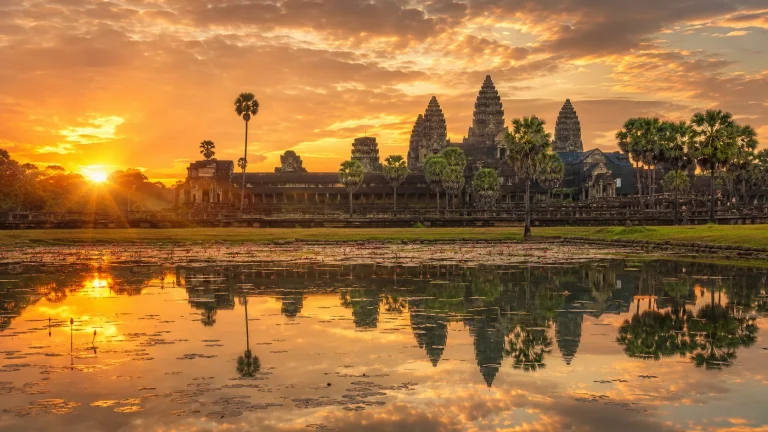
Angkor is essential, but do not let it become the whole trip. Phnom Penh gives important historical context; Battambang offers countryside and creative energy; Kampot and Kep slow the pace; Koh Rong adds beach time; Kratie and Mondulkiri reveal different landscapes. Even an extra two nights changes the journey. For a grounded introduction to the main gateway, read our Siem Reap travel guide.
A Simple First-Trip Checklist
- Confirm visa and arrival requirements on official websites.
- Save offline copies of bookings, insurance and passport details.
- Pack temple-appropriate clothes, sun protection and mosquito repellent.
- Carry small amounts of both riel and clean US-dollar notes.
- Book the first hotel and airport transfer before arrival.
- Plan early mornings, midday breaks and realistic road-transfer times.
Final Thoughts
The best Cambodia travel tips are less about controlling every detail and more about creating a comfortable framework. Confirm the official requirements, respect sacred places, allow time for the heat and stay flexible when journeys take longer than expected. With those basics handled, you can focus on the reason Cambodia stays with so many travelers: generous people, layered history, remarkable food and landscapes that extend far beyond its most famous temple.