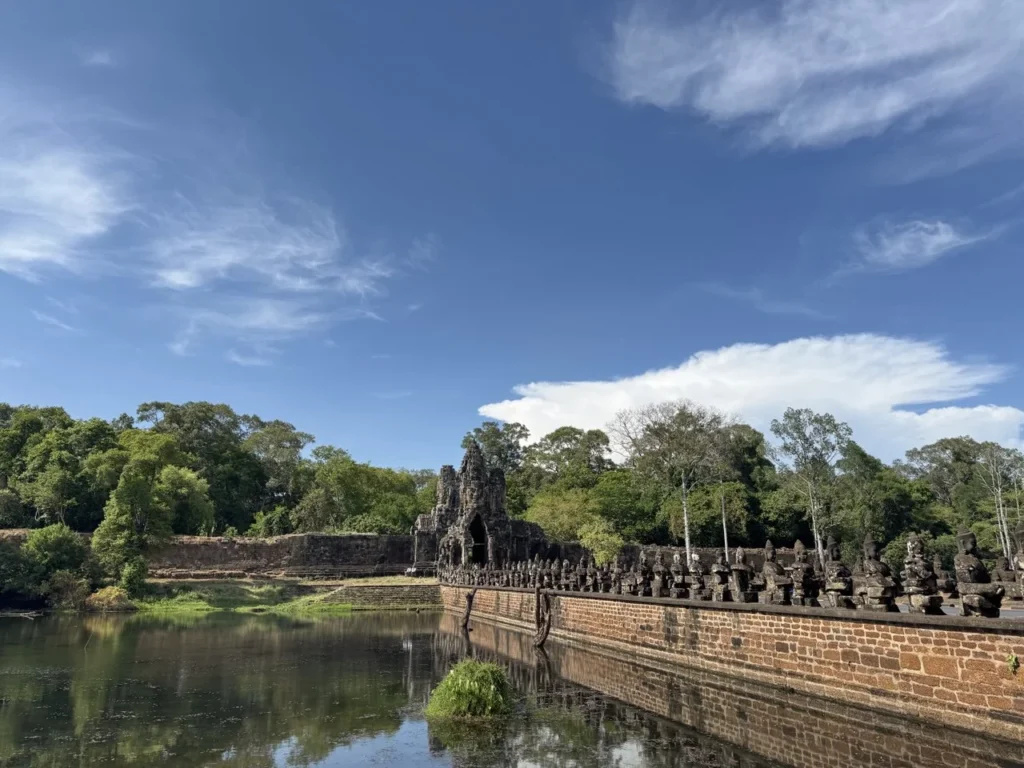
Cambodia is absolutely worth visiting in 2026 for travellers who want monumental history, welcoming communities, excellent food and a trip that can still be planned at a sensible cost. Angkor Wat may be the headline, but the country becomes more rewarding when you also give time to Phnom Penh, Battambang, the Mekong and the southern islands.
The more useful question is not simply whether Cambodia is worth visiting, but whether its pace, climate and travel style suit you. This guide explains what makes the country special, where expectations should be realistic and how to plan a thoughtful first trip.
Why Cambodia is worth visiting in 2026
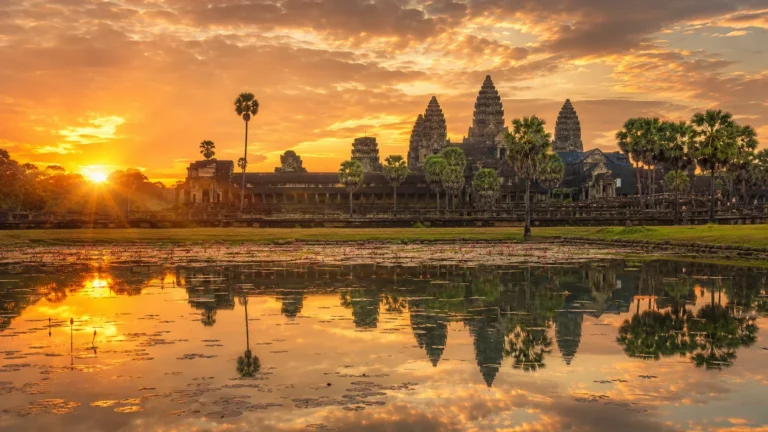
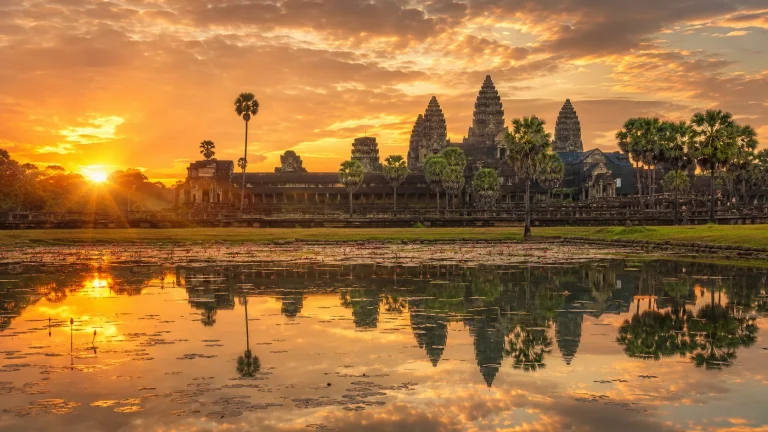
Cambodia offers an unusually strong mix of world-famous heritage and everyday experiences. You can watch sunrise over a twelfth-century temple, eat fragrant fish amok at lunch, cross a village by remork in the afternoon and finish the day beside a river or rice field. Travel distances are manageable, English is widely used in the main visitor centres, and local guides can add essential context to the places you see.
It also fits naturally into a wider Southeast Asia journey. Direct regional flights and overland routes connect Cambodia with Thailand, Vietnam and Laos. However, it deserves more than a quick border stop. A focused five- to ten-day visit usually feels more satisfying than squeezing Siem Reap into a rushed multi-country itinerary.
Angkor is genuinely extraordinary
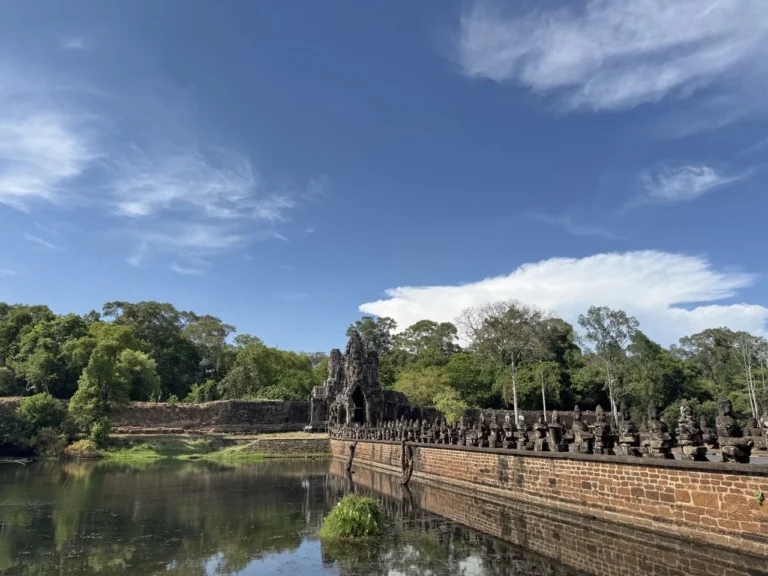
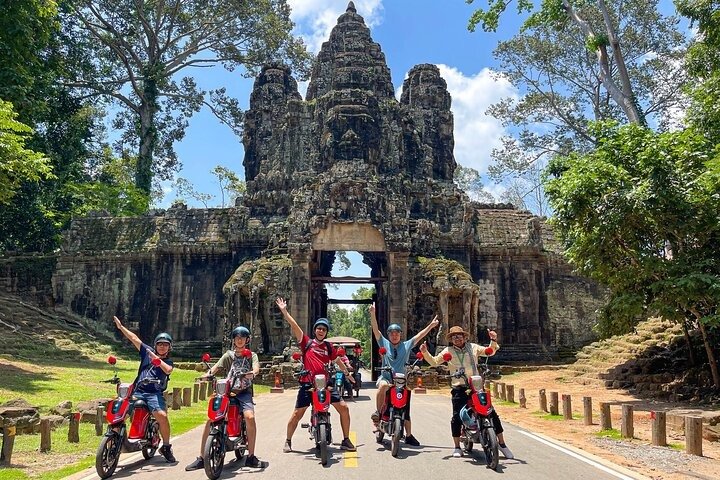
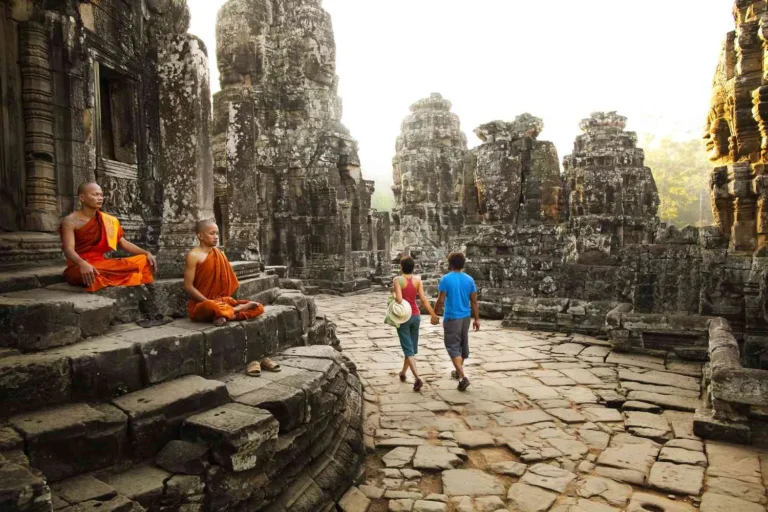
Some famous sights disappoint after years of hype. Angkor rarely does. The archaeological park is not one monument but a vast cultural landscape containing temples, reservoirs, roads and forest. Angkor Wat is the best-known structure, while the stone faces of Bayon, the roots around Ta Prohm and the quieter outer temples create very different experiences.
Plan at least two full temple days if your schedule allows. A licensed guide helps explain the Khmer Empire, religious changes and architectural details that are easy to miss. Buy passes only through the official Angkor Enterprise information, and follow the visitor code of conduct at sacred sites.
There is far more than Angkor Wat
Phnom Penh combines the Royal Palace, riverfront life, contemporary Khmer restaurants and difficult but important twentieth-century history. Battambang has colonial-era streets, countryside excursions and a relaxed creative scene. Kampot and Kep offer pepper farms, mountain views and a slower southern rhythm, while the Cardamom Mountains appeal to travellers interested in conservation and nature.
For beach time, Koh Rong and neighbouring islands can finish a cultural itinerary with clear water, sandy bays and small resorts. Infrastructure varies by beach, so choose accommodation for the atmosphere you want rather than assuming every part of an island has the same level of development.
Who will enjoy Cambodia most?
- Culture and history travellers: Angkor, pre-Angkorian sites, museums and living traditions provide depth well beyond a checklist.
- Food lovers: Khmer cuisine is subtle, herb-driven and still underrepresented internationally. Markets, family restaurants and modern Cambodian kitchens are all worth exploring.
- Photographers: Temple stone, monsoon-green countryside, floating communities and river sunsets offer varied subjects.
- Slow travellers: Cambodia rewards unhurried mornings, local conversations and time outside the major attractions.
- Value-conscious travellers: Accommodation and meals cover a broad price range, although responsible tours and good private transport should not be chosen on price alone.
When Cambodia may not be the right choice
No destination suits everyone. Cambodia can feel hot and humid, pavements are uneven or absent in many places, and long road journeys may be slower than the distance suggests. Public transport between cities has improved, but it does not offer the seamless network found in Singapore or parts of Thailand.
Travellers expecting polished luxury everywhere may need to adjust their expectations outside the main centres. Likewise, anyone uncomfortable engaging with difficult history should understand that Phnom Penh’s most significant memorial sites are emotionally demanding. They are optional, but approaching the country’s recent past respectfully makes the present easier to understand.
The best places for a first Cambodia trip
Siem Reap: temples and an easy introduction
Siem Reap is the logical first stop for most visitors. Spend two days at Angkor, then leave space for a food tour, artisan workshop, countryside experience or Tonlé Sap excursion chosen with care. Our Siem Reap destination guide explains how the town works beyond the sunrise crowds.
Phnom Penh: history, food and river life
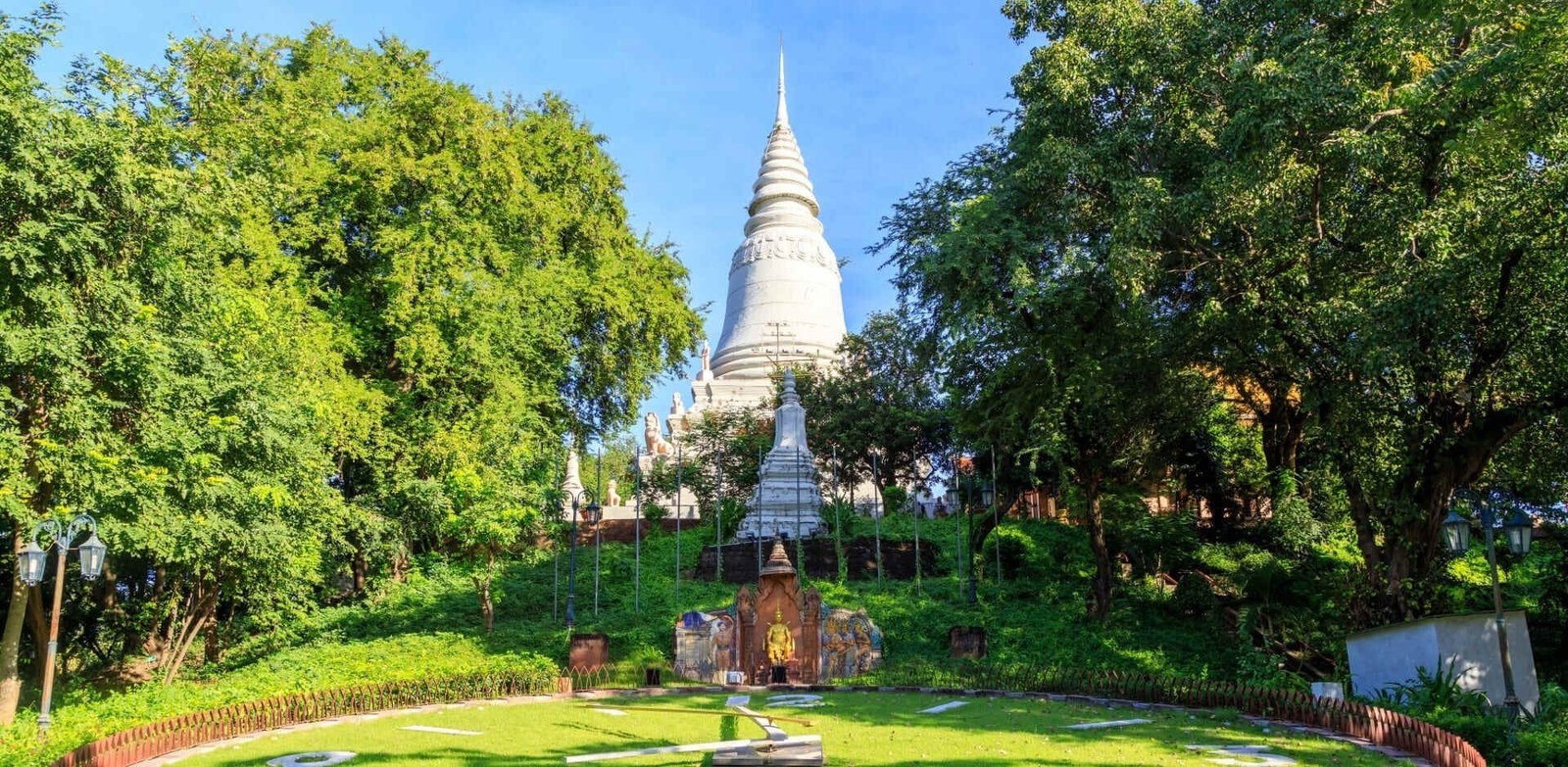
The capital deserves at least two nights. Visit the Royal Palace area, explore markets, try both traditional and contemporary Khmer cooking, and allow time for the riverfront in the early evening. Read our Phnom Penh guide before deciding which historical sites fit your trip.
Battambang: rural Cambodia at a gentler pace
Battambang works well between Phnom Penh and Siem Reap. Its appeal comes from the surrounding countryside, small-scale attractions and atmosphere rather than one blockbuster landmark. Two nights gives you time for a guided rural excursion without turning the visit into another transit stop.
The south: Kampot, Kep and Koh Rong
Add the south if you have ten days or more. Kampot is a good base for pepper farms and Bokor landscapes; Kep is known for seafood and a quiet coast; Koh Rong provides a proper beach finish. The 13-day Cambodia historical and relaxing tour shows how these contrasting regions can fit into one route.
How long should you spend?
Three days is enough for a focused Siem Reap visit, but not for Cambodia as a country. Five to seven days can combine Siem Reap and Phnom Penh. Eight to ten days allows a third stop such as Battambang or Kampot. With twelve to fourteen days, you can add the islands or a nature-based experience without rushing.
For detailed route options, see how many days you need in Cambodia. The best itinerary is not the one with the most stops; it is the one that leaves enough energy to appreciate each place.
Best time to visit Cambodia
November to February is generally the most comfortable period, with lower humidity and less rain. It is also the busiest season around Angkor. March to May is hot, so start sightseeing early and protect the middle of the day. June to October brings the green season: showers become more frequent, landscapes brighten and visitor numbers can be lower.
Rain does not usually mean every day is lost, but coastal and forest regions can receive heavier weather than the central plains. Our Cambodia weather-by-region guide gives a month-by-month comparison.
What does a Cambodia trip cost?
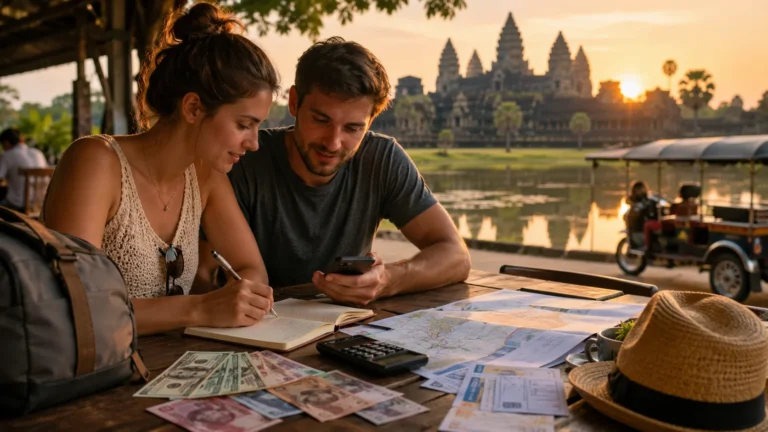
Cambodia remains flexible for different budgets, but the cheapest option is not always the best value. Simple local meals and comfortable guesthouses can be affordable, while private guides, quality vehicles, conservation experiences and island resorts raise the daily total. Angkor admission, domestic transport and responsible excursions should be budgeted separately.
Use the figures in our Cambodia trip cost guide as a planning range, then price your actual route. A short temple trip and a two-week private journey have very different cost structures.
Practical planning for 2026
- Check entry rules before departure. Visa eligibility can depend on nationality and entry point. Use Cambodia’s official eVisa website, not an imitation service.
- Carry a mix of payment options. US dollars are widely accepted, while Cambodian riel is common for smaller purchases. Keep clean notes and use reputable ATMs.
- Dress respectfully. Cover shoulders and knees at active religious sites, speak quietly and never climb restricted structures.
- Protect yourself from heat. Start early, drink water, use sun protection and schedule breaks instead of forcing a full midday programme.
- Choose ethical wildlife and community experiences. Avoid attractions involving direct handling, forced performances or exploitative interactions with children.
- Allow realistic road time. A private car offers flexibility, while scheduled buses are useful on popular routes. Do not stack a long transfer and major sightseeing on the same day.
Is Cambodia safe and easy for first-time visitors?
Most trips are straightforward with ordinary precautions. Secure your phone and bag in busy streets, use reputable transport, keep digital copies of important documents and check current official advice before travelling. Traffic is one of the more practical everyday risks, so cross roads carefully and wear a helmet on motorbikes.
First-time visitors often find Siem Reap especially manageable because tourism services are well established. Phnom Penh is busier and requires more street awareness. Rural areas may have limited medical facilities, making suitable travel insurance important for longer or more adventurous routes.
How to make the trip more meaningful
Hire Cambodian guides, eat at locally owned restaurants and buy directly from credible artisans when possible. Learn a few Khmer greetings, ask before photographing people and remember that villages are homes rather than open-air exhibits. At memorial sites, follow posted rules and give other visitors space.
It is also worth questioning experiences that market poverty, orphanages or wildlife contact as entertainment. Responsible spending will not solve every issue, but it helps direct more tourism value toward the people and places that create the experience.
Final verdict: is Cambodia worth visiting?
Yes. Cambodia is worth visiting in 2026 for far more than Angkor Wat. Its strongest trips combine major heritage with contemporary cities, rural landscapes, local food and enough time to understand the country beyond a single image.
Come with realistic expectations about heat, transport and infrastructure, and plan with respect for local culture. Give Cambodia at least five to seven days if you can. The result is likely to feel less like a quick temple stop and more like one of Southeast Asia’s most memorable journeys.