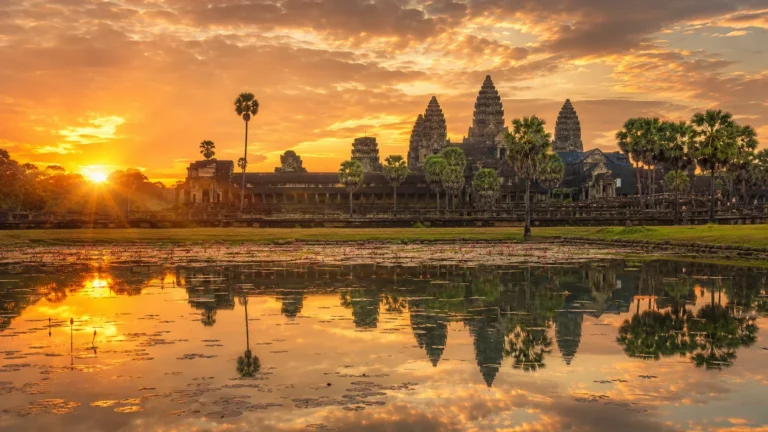

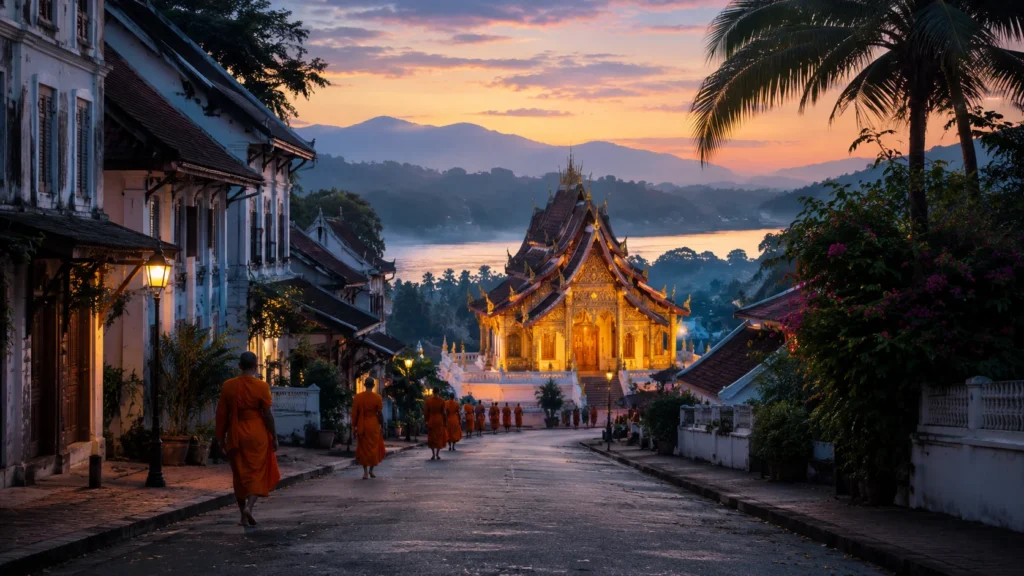
Laos rewards travellers who slow down. The country’s most memorable moments are rarely rushed: dawn light over the Mekong, a quiet temple courtyard in Luang Prabang, limestone cliffs beside Vang Vieng or a long coffee stop on the Bolaven Plateau.
This Laos travel guide 2026 covers the essentials for a first trip, including entry planning, weather, transport, costs, destinations, culture and realistic routes. Regulations and schedules can change, so confirm important details with official sources before departure.
Why visit Laos in 2026?
Laos offers a gentler contrast to the region’s busiest destinations. It combines Buddhist heritage, river landscapes, mountain scenery and communities where tourism still feels relatively small-scale. The north suits temples, rail journeys and outdoor activities; the south brings waterfalls, coffee country, Khmer-era ruins and Mekong islands.
The Laos–China Railway has made the Vientiane, Vang Vieng and Luang Prabang corridor easier to combine. Better access does not mean every journey is quick, however. Rural roads, river travel and remote provinces still require patience and schedule buffers.
Laos travel essentials at a glance
- Capital: Vientiane
- Currency: Lao kip
- Main visitor route: Vientiane, Vang Vieng and Luang Prabang
- Popular southern route: Pakse, Bolaven Plateau, Vat Phou and Si Phan Don
- Typical first trip: 7–10 days
- Best broad weather window: November to February
- Languages: Lao; English is common in established tourism businesses
Entry requirements and visas
Visa rules depend on nationality, passport type and entry point. Some travellers receive visa-free entry, while others use an eVisa, visa on arrival or a visa arranged through a Lao embassy or consulate. Do not assume that every land border accepts every visa method.
Start with the Lao Department of Immigration’s official visa information and verify the status of your intended checkpoint. Carry a passport with adequate validity, spare passport photos when advised, confirmation documents and enough clean cash for fees or incidental border costs.
Laos also operates a digital arrival and departure registration system. Requirements can evolve, so check the Department of Immigration shortly before travel rather than relying on an old screenshot or travel forum.
Best time to visit Laos
November to February: cooler and drier
This is the easiest period for most first-time visitors. Days are generally dry, and northern mornings can be surprisingly cool. It is also the busiest season, so reserve popular Luang Prabang hotels, rail tickets and holiday-period transport in advance.
March to May: hot and hazy
Temperatures rise sharply before the rains. Agricultural burning and regional smoke can affect air quality, especially in northern Laos. Check current conditions if you have respiratory concerns or plan mountain viewpoints and outdoor activities.
June to October: green season
Rain turns the landscape vivid green and strengthens waterfalls. Showers do not always last all day, but heavy rain can disrupt roads, river trips and remote excursions. Build extra time into the itinerary and avoid making tight connections after overland travel.
Where to go in Laos
Luang Prabang
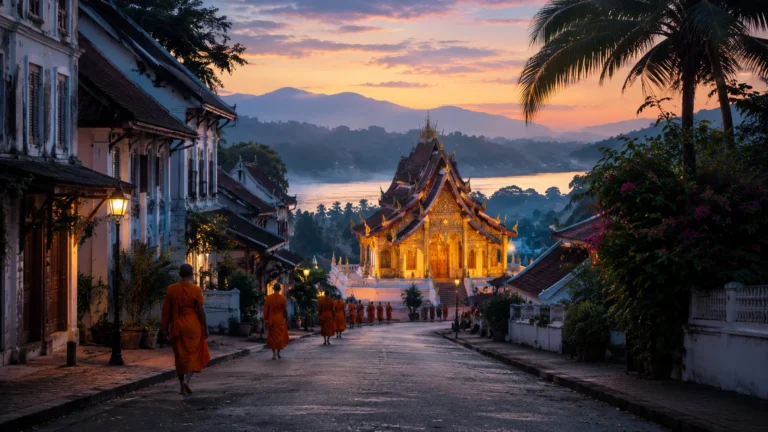
Luang Prabang is the country’s cultural anchor, set between the Mekong and Nam Khan rivers. Temples, traditional houses and colonial-era buildings create a compact historic centre recognised by UNESCO. The city works best over three nights, allowing time for Wat Xieng Thong, markets, museums and a day trip to Kuang Si Falls.
The dawn alms-giving ceremony is a living religious practice, not a staged performance. Observe from a respectful distance, dress modestly and avoid flash photography or blocking the monks. Our Luang Prabang travel guide covers neighbourhoods and planning in more depth.
Vang Vieng
Vang Vieng has matured beyond its old party-town image. Limestone karsts, the Nam Song River, lagoons and viewpoints now support kayaking, cycling, hiking and relaxed countryside stays. Choose activities according to weather and fitness rather than trying to complete every famous viewpoint.
The railway makes Vang Vieng a practical stop between Luang Prabang and Vientiane. Two nights is enough for a first visit; three allows a slower day and protection against rain.
Vientiane
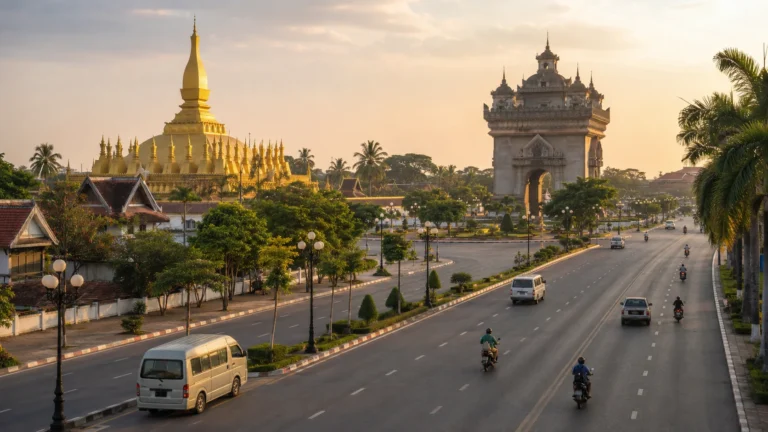
Vientiane is one of Southeast Asia’s most relaxed capitals. Pha That Luang, Wat Sisaket, Patuxai and the Mekong riverfront can be explored without an exhausting schedule. The city is useful for arrivals, departures and understanding modern Laos, but it rewards curiosity more than landmark collecting.
Spend one or two nights and use our Vientiane travel guide to compare temples, markets and neighbourhoods.
Pakse and the Bolaven Plateau
Pakse is the gateway to southern Laos. The surrounding Bolaven Plateau is known for coffee farms, waterfalls, cooler elevations and multi-day road loops. A car with driver is the easiest choice for travellers who want flexible stops; experienced motorcyclists should assess roads and insurance carefully.
Two or three days allows a useful circuit without constant packing. Ask before entering farms or photographing workers and buy coffee directly from responsible producers where practical.
Champasak and Vat Phou
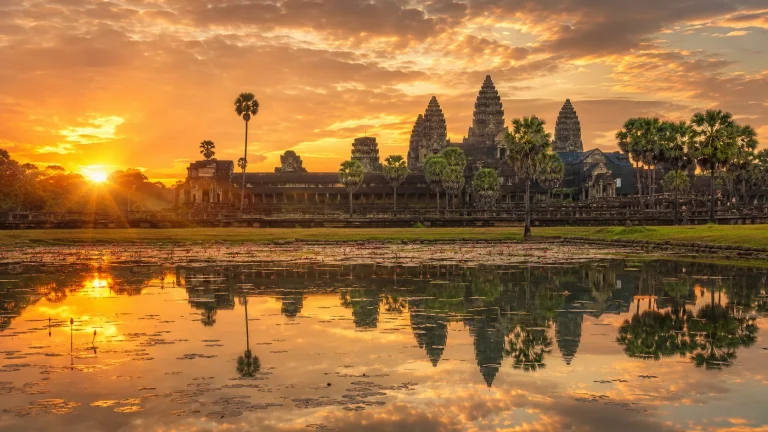
Vat Phou is a Khmer temple complex arranged along a symbolic mountain-to-river axis. It predates many of Angkor’s best-known monuments and provides valuable context for regional history. Combine it with Champasak’s quiet riverside atmosphere rather than treating it as a rushed stop from Pakse.
Laos has three long-established UNESCO cultural properties—Luang Prabang, Vat Phou and the Plain of Jars—listed on UNESCO’s Lao PDR World Heritage page.
Si Phan Don, the 4,000 Islands
In the far south, the Mekong spreads around islands and sandbars. Don Khon and Don Det are familiar bases, but the mood varies by village and accommodation. Days revolve around cycling, river views and an intentionally slower pace.
Transport connections can take longer than expected. Avoid scheduling an international departure immediately after a boat-and-road combination from the islands.
Plain of Jars
Near Phonsavan, ancient stone jars sit across plateau landscapes. UNESCO describes more than 2,100 megalithic jars associated with Iron Age funerary practices. Visit only officially cleared sites and remain on marked paths because unexploded ordnance remains a serious danger in parts of Laos.
A knowledgeable local guide helps explain archaeology and the modern history of the province. Two nights gives enough time for principal jar sites and a museum or UXO-focused educational visit.
Nong Khiaw and northern river country
Nong Khiaw sits beneath steep limestone mountains beside the Nam Ou. It attracts travellers interested in viewpoints, village walks and river landscapes. The journey is slower than the railway corridor, which is part of its appeal.
Use registered guides for remote hikes, stay on established routes and never handle unfamiliar metal objects. Weather can make trails difficult during the green season.
How many days do you need in Laos?
Seven days can cover Luang Prabang, Vang Vieng and Vientiane. Ten days allows a slower northern route or an additional southern section. Two weeks is better if you want both north and south without turning the trip into a chain of transfers.
- 7 days: Luang Prabang 3 nights, Vang Vieng 2, Vientiane 2.
- 10 days: add Nong Khiaw, the Plain of Jars or extra countryside time.
- 14 days: combine the northern rail corridor with Pakse, Vat Phou and Si Phan Don.
For a regional route, our 14-day Cambodia and Laos highlights tour shows how Phnom Penh, Siem Reap, Luang Prabang, Vang Vieng and Vientiane can connect.
Getting around Laos
Rail
The Laos–China Railway is the fastest link between Vientiane, Vang Vieng, Luang Prabang and northern stations. Tickets can sell out, especially around weekends and holidays. Passengers usually need passport details, and station security procedures require arriving early.
Buses and minivans
Buses reach more places than the railway but journey times are variable. Minivans can be faster yet cramped. Choose reputable operators, avoid very tight onward connections and expect different comfort levels from route to route.
Private car
A private vehicle is practical for families, small groups and countryside itineraries. It costs more but allows photo stops, breaks and door-to-door transfers. Confirm whether the quoted price includes fuel, tolls, driver accommodation and waiting time.
Flights and boats
Domestic flights can connect distant regions when schedules align. Boats remain part of the travel experience on the Mekong and Nam Ou, but routes and water levels change. Treat river transport as a journey, not a guaranteed high-speed connection.
Money and daily costs
The Lao kip is the official currency. Cash remains important outside larger hotels and established tourism businesses. ATMs are available in main towns, but withdrawal limits and fees vary, and machines can be unreliable in remote areas.
Carry smaller notes for markets, tuk-tuks and village stops. Keep emergency money separately. Cards are more accepted in better hotels and urban restaurants, but a cashless plan is risky.
Laos can be affordable, though rail tickets, private transport, quality hotels and guided nature experiences raise the total. Budget travellers can save with guesthouses and local food; mid-range travellers should prioritise transport reliability and well-located accommodation.
Food and drinking water
Lao meals are often shared. Sticky rice, laap, grilled meats, river fish, herbs, soups and jeow dips appear frequently. Regional cooking varies, and Luang Prabang has dishes that differ from southern food.
Eat at busy stalls with good turnover, use bottled or properly filtered water and be cautious with ice in remote areas. Tell cooks clearly about serious allergies; language differences can make complex dietary explanations difficult.
Culture and etiquette
Dress modestly at temples, remove shoes where required and avoid touching sacred objects. The head is culturally sensitive, and feet should not point toward people or Buddha images. Ask before photographing monks, ceremonies or residents.
Public anger and confrontation are poorly received. A calm, patient approach works better when plans change. Learn simple Lao greetings and support local guides, craftspeople and family-run businesses.
Health, safety and unexploded ordnance
Travel insurance should cover medical treatment, evacuation and planned activities. Heat, dehydration, mosquito-borne illness, road accidents and food-related sickness are more common concerns than dramatic travel emergencies.
Unexploded ordnance is a real risk in rural and formerly bombed areas. Stay on marked paths, follow local warnings and never pick up metal objects. This is especially important around the Plain of Jars and remote eastern provinces.
Road standards and driving behaviour vary. Wear helmets, avoid unnecessary night travel and do not operate a motorbike unless licensed, insured and experienced.
Connectivity and practical planning
Local SIM cards and eSIM options make basic mobile data straightforward in cities and main tourism corridors, but remote coverage can drop. Download maps, tickets and hotel details for offline use.
Power cuts and schedule changes happen. Keep a charged power bank, some cash and a flexible mindset. During festivals and national holidays, book transport earlier and confirm opening hours.
Responsible travel in Laos
Choose experiences that respect community privacy and keep economic benefits local. Avoid wildlife attractions that encourage touching, feeding or performances. Do not buy antiques, protected wildlife products or objects that may be culturally important.
In Luang Prabang, treat Buddhist ceremonies as worship rather than entertainment. In villages, ask before entering homes or photographing children. Refuse single-use plastics when practical and refill water at trusted stations.
Final planning advice
A strong first Laos trip combines one cultural centre, one landscape-focused stop and enough unstructured time to enjoy the country’s slower rhythm. Luang Prabang, Vang Vieng and Vientiane form the easiest route, while the south deserves a separate extension.
Verify visa and arrival procedures, reserve key rail journeys, and avoid an itinerary that depends on perfect road or river timing. Laos is most rewarding when the schedule leaves room for the journey itself.