
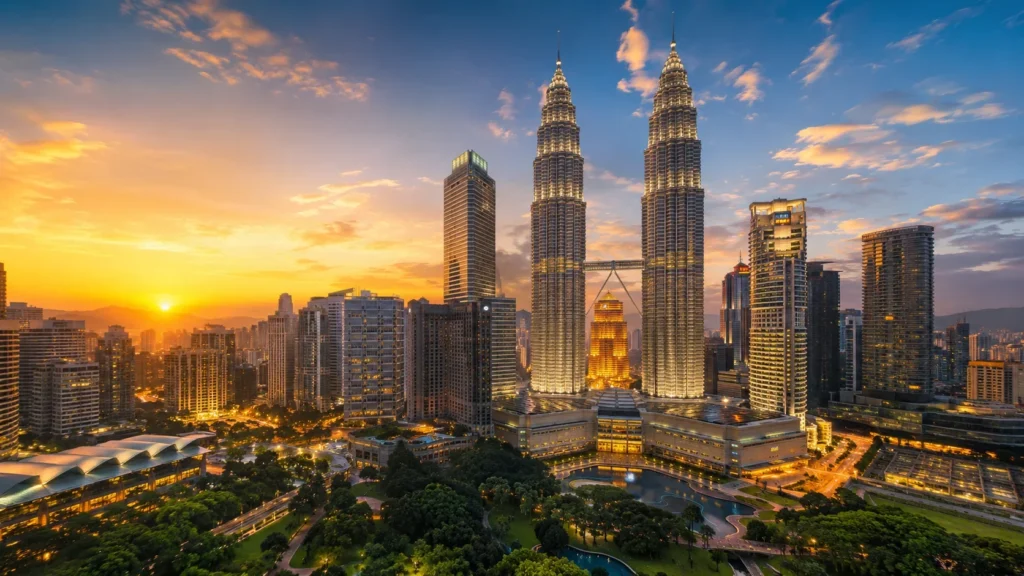
Malaysia is one of Southeast Asia’s easiest countries to explore and one of its most varied. A single journey can combine Kuala Lumpur’s modern skyline, George Town’s heritage streets, Malacca’s riverfront, rainforest in Borneo, cool highlands and beaches on two different coasts. This Malaysia travel guide explains the choices that matter in 2026: entry requirements, seasons, routes, transport, costs, food and cultural etiquette.
Start with our Malaysia destination guide for an overview of places and planning ideas. First-time visitors can also explore our guides to Kuala Lumpur, George Town and Malacca.
Malaysia at a Glance
- Capital: Kuala Lumpur; the federal administrative centre is Putrajaya.
- Currency: Malaysian ringgit (MYR), usually written as RM.
- Language: Malay is the national language; English is widely understood in visitor areas.
- Time zone: GMT+8 throughout the country.
- Typical first trip: Seven to fourteen days.
- Best approach: Choose one coast and a manageable number of regions instead of trying to see everything.
Why Visit Malaysia in 2026?
Malaysia suits travelers who want variety without difficult logistics. Airports, intercity roads and urban public transport are well developed, accommodation ranges from simple guesthouses to luxury resorts, and English makes independent travel straightforward. Food is a major reason to come: Malay, Chinese, Indian, Peranakan, Indigenous and regional traditions meet in hawker centres and night markets.
Visit Malaysia 2026 also places extra attention on the country’s culture and destinations. The official Visit Malaysia 2026 information highlights a year of events and national tourism promotion. That can mean more activities and improved visitor services, but popular festival weekends may need earlier hotel and transport bookings.
Malaysia Entry Requirements in 2026
Entry rules depend on nationality, passport type, purpose and length of stay. Check the Malaysian Immigration Department’s entry requirements and its visa-by-country guidance before booking non-refundable travel. Your passport should meet the validity requirements, and immigration may request evidence of onward travel, accommodation and sufficient funds.
Many foreign visitors must submit the Malaysia Digital Arrival Card. The official MDAC registration page states that the trip must be within three days, including the submission date. Use only official government websites, save the confirmation and recheck the exemptions because arrival-card and visa rules are not the same thing.
Best Time to Visit Malaysia
Malaysia is warm and humid throughout the year, so the key question is not “dry or wet?” for the whole country. The better question is which coast and region you plan to visit. Short showers can occur in any month, while monsoon patterns affect beaches, ferries and sea conditions differently.
West coast and central peninsula
Kuala Lumpur, Malacca, Penang and Langkawi are commonly included in west-coast routes. Conditions are generally favorable for much of the year, though rain and thunderstorms remain possible. December to February is popular, while the middle of the year can also work well. In Kuala Lumpur, heat and showers are normal in every season, so plan indoor attractions and food stops around the weather.
East coast islands
The Perhentian Islands, Redang and Tioman are seasonal choices. The northeast monsoon can bring rough seas, heavy rain and reduced boat or resort operations, especially from roughly November into February. The clearer, calmer period is usually from spring through early autumn. Confirm ferry schedules and hotel opening dates instead of relying on a general national forecast.
Sabah and Sarawak
Borneo receives tropical rain year-round, with local patterns changing between coasts, highlands and rainforest areas. Wildlife trips and mountain activities need flexibility even in relatively favorable months. Build spare time around flights and boats, protect electronics from humidity and book specialist experiences with operators who prioritize safety and conservation.
How Many Days Do You Need?
Five days is enough for Kuala Lumpur plus Malacca, but it is a city-focused introduction. Seven to ten days allows Kuala Lumpur, Penang and one additional destination. Two weeks gives enough time for a peninsula route with a beach or highland stay, or for Kuala Lumpur combined with Sabah or Sarawak. Crossing between Peninsular Malaysia and Borneo usually requires a flight, so treat them as separate regions rather than one continuous road trip.
Where to Go on a First Malaysia Trip
Kuala Lumpur
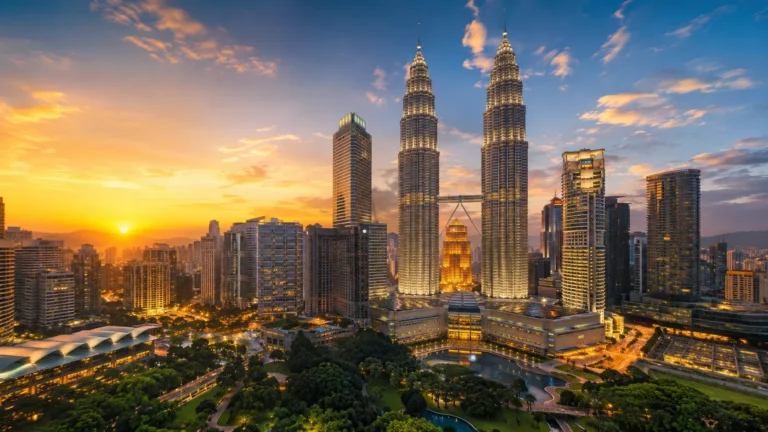
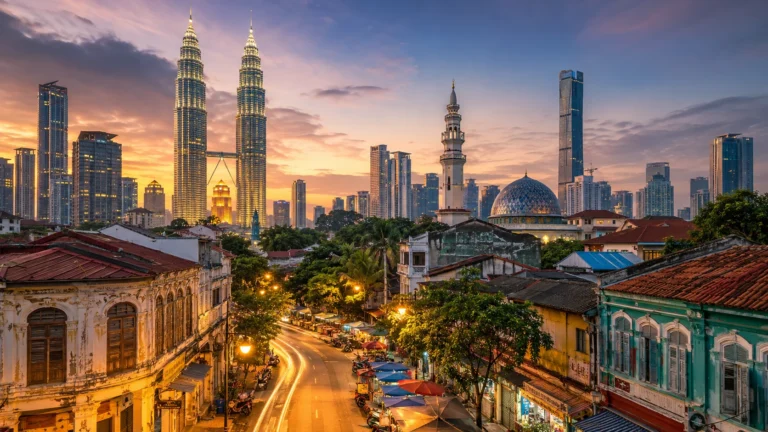
Kuala Lumpur is the main international gateway and deserves at least two full days. The Petronas Twin Towers and city skyline are obvious highlights, but the strongest experience comes from the city’s mix: Malay neighbourhoods, Chinese temples, Indian food, contemporary malls and accessible museums. Use rail for central districts and ride-hailing when stations are inconvenient.
George Town and Penang
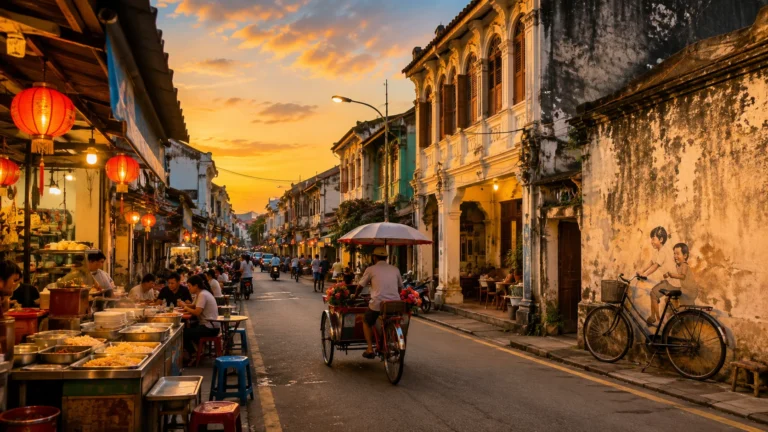
George Town combines historic architecture, street art, clan houses and one of Asia’s most rewarding food cultures. Stay at least two nights, preferably three, so meals do not become a rushed checklist. Beyond the old centre, explore markets, neighbourhood temples, Penang Hill or the island’s quieter northern and western areas.
Malacca
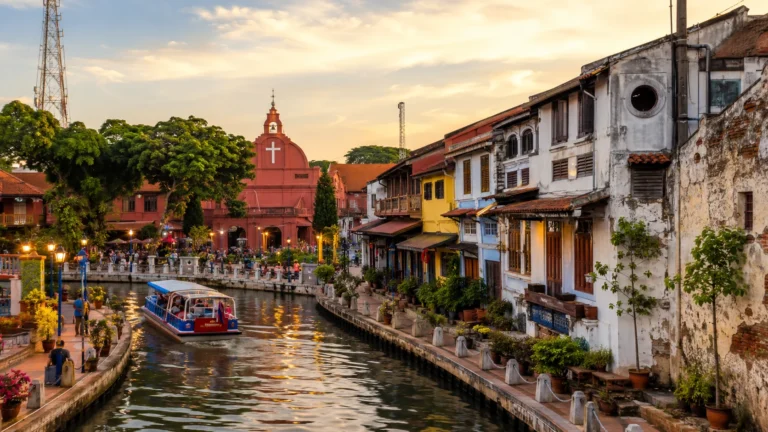
Malacca works as a day trip from Kuala Lumpur, but an overnight stay is better. The city reveals layers of Malay sultanate, Portuguese, Dutch, British, Chinese and Peranakan history. Evening along the river and an early morning walk before day visitors arrive give a more relaxed view of the heritage centre.
Langkawi or the east coast islands
Choose islands according to season and travel style. Langkawi is accessible, developed and easy to combine with Penang. The Perhentians and Redang offer clearer-water island experiences during their operating season but require more attention to ferries and weather. Tioman can work well for travelers approaching from Singapore or southern Malaysia.
Sabah or Sarawak
Choose Borneo when wildlife, rainforest or Indigenous culture is central to the trip. Sabah offers Kota Kinabalu, Mount Kinabalu, islands and wildlife routes farther east. Sarawak combines Kuching, national parks, caves and cultural experiences. Distances are larger than they appear, and many nature activities are best arranged with experienced local operators.
A Practical 10-Day Malaysia Route
- Days 1–3: Kuala Lumpur. Recover from the flight, explore central neighbourhoods, visit key landmarks and build meals around different food traditions.
- Day 4: Malacca. Travel south for heritage streets, museums and the riverfront; stay overnight.
- Days 5–7: George Town. Fly or travel north, then allow time for heritage, street food and a wider Penang excursion.
- Days 8–10: Langkawi. Finish with beaches, mangroves and a slower pace before flying onward.
If you prefer nature to beaches, replace Langkawi with the Cameron Highlands or use the final days to begin a separate Sabah or Sarawak extension. Avoid adding both Borneo and several peninsula stops to a ten-day trip; too many flights reduce the time available for actual experiences.
Getting Around Malaysia
Domestic flights connect the peninsula with Sabah, Sarawak and major islands. Intercity trains and buses work well on common peninsula routes, while private cars are useful for families, small groups and places with limited public transport. Kuala Lumpur has rail, buses, taxis and ride-hailing; George Town and Malacca are better explored by combining walking with short rides.
Book holiday-period transport early, especially around major religious festivals and school breaks. The official Tourism Malaysia travel guide provides useful country basics, including currency, electricity, communications, health and local customs. Always confirm exact timetables with the operator close to travel.
Malaysia Travel Costs
Malaysia offers good value, but the final budget depends heavily on islands, flights and hotel standard. A budget traveler using simple accommodation and local food might spend around RM150–250 per day before major tours. A comfortable mid-range trip can fall around RM350–650 per person per day, while resorts, private touring and Borneo nature packages can raise costs significantly.
Food courts and hawker centres keep meal costs reasonable. Urban public transport is affordable, but multiple domestic flights and airport transfers add up. Build the budget by region, then add a contingency for weather changes, festival prices and baggage fees on low-cost airlines. Carry some cash for markets and small businesses even though cards and mobile payments are common in cities.
What to Eat in Malaysia
Do not reduce Malaysian food to one national dish. Try nasi lemak, roti canai, satay, laksa, char kway teow, nasi kandar, banana-leaf rice and regional noodle soups. Penang is famous for hawker food, Kuala Lumpur offers enormous variety, Malacca is associated with Peranakan traditions, and Borneo has distinct Indigenous and coastal cuisines.
Busy stalls usually offer high turnover and a clearer view of preparation. Ask about ingredients if you have allergies or dietary restrictions; pork, shellfish, peanuts and shrimp paste appear in dishes where they may not be obvious. During Ramadan, many Muslim-owned businesses change daytime hours, while evening bazaars create excellent opportunities to try local food.
Culture and Etiquette
- Dress modestly at mosques, temples and conservative communities; robes may be provided at some religious sites.
- Remove shoes before entering homes and many places of worship.
- Use the right hand when giving or receiving items when practical.
- Ask permission before photographing people, ceremonies or worship.
- Malaysia is multicultural. Avoid assuming that one custom, language or food tradition represents everyone.
- Alcohol is available in many visitor areas, but use discretion in Muslim-majority settings.
Health, Safety and Connectivity
Malaysia is generally straightforward for visitors, but routine precautions still apply. Buy insurance that covers medical treatment, trip changes and planned activities. Protect yourself from heat and mosquitoes, use safe drinking water, and seek professional pre-travel health advice. In cities, guard phones and bags in crowded places and use registered transport or trusted apps.
Local SIM cards and eSIMs are widely available, and Wi-Fi is common in hotels and cafes. Download offline maps for islands, parks and road trips. Electricity is 240V with a British-style three-pin plug. Save hotel addresses and essential documents offline, particularly if you will cross between the peninsula, Sabah and Sarawak.
Final Planning Advice
The best first Malaysia trip is selective rather than crowded. Choose a route that matches the season, allow at least two or three nights in major stops and treat Borneo as a substantial extension. Verify immigration and transport details on official sites, then leave room for the experiences Malaysia does best: spontaneous meals, layered neighbourhoods and easy conversations across a remarkably diverse country.