How Much Does a Trip to Thailand Cost in 2026?

Thailand can still suit almost every travel budget in 2026, but the total depends less on a single national average than on where you go, when you travel and how much comfort you want. A local meal in Chiang Mai may cost a fraction of dinner at a Phuket beach club, while an overnight train can replace both a flight and a hotel night.

This practical Thailand trip cost guide breaks down accommodation, food, transport, attractions and realistic daily budgets. Prices are planning ranges in Thai baht (THB) and US dollars, excluding international flights. Exchange rates move, so use the baht figures when building your final budget.

Thailand Trip Cost in 2026: The Quick Answer

For most travellers, a comfortable independent trip costs about THB 2,500–5,000 per person per day, or roughly US$70–140. That usually covers a well-reviewed mid-range hotel shared by two people, local and casual restaurant meals, a mix of public transport and ride-hailing, plus one paid activity.

  • Backpacker: THB 1,200–2,000 (about US$34–57) per person per day
  • Value-conscious couple: THB 2,000–3,500 (about US$57–100) per person per day
  • Comfortable mid-range: THB 3,500–6,000 (about US$100–170) per person per day
  • Luxury: THB 8,000–20,000+ (about US$225–570+) per person per day

These ranges assume two people share a room. Solo travellers normally spend more per person because they carry the full accommodation cost, while families may save through connecting rooms, apartment stays and private transfers.

A Realistic Two-Week Thailand Budget

For a 14-day first trip combining Bangkok, Chiang Mai and one southern beach destination, allow approximately:

  • Backpacker: THB 20,000–32,000 (US$570–915) per person
  • Mid-range: THB 45,000–75,000 (US$1,285–2,145) per person
  • Comfortable private trip: THB 75,000–120,000 (US$2,145–3,430) per person
  • Luxury: THB 140,000+ (US$4,000+) per person

Add international airfare separately. Domestic flights, island transfers and premium excursions can also move the total quickly, so keep a contingency of at least 10 percent.

Accommodation Costs in Thailand

Accommodation creates the largest difference between budget levels. Bangkok and Chiang Mai offer strong value across many neighbourhoods, while Phuket, Koh Samui and smaller islands can become expensive during the dry-season peak.

  • Hostel dorm: THB 300–700 per bed
  • Simple private guesthouse: THB 700–1,500 per room
  • Comfortable three-star hotel: THB 1,500–3,000 per room
  • Four-star or boutique hotel: THB 3,000–6,500 per room
  • Luxury resort: THB 7,000–20,000+ per room

December through February is usually the most expensive period in popular destinations. Christmas, New Year, Lunar New Year and major festivals create additional spikes. The northern green season and southern shoulder months can offer better hotel value, but weather patterns differ between the Andaman and Gulf coasts.

How Much Does Food Cost?

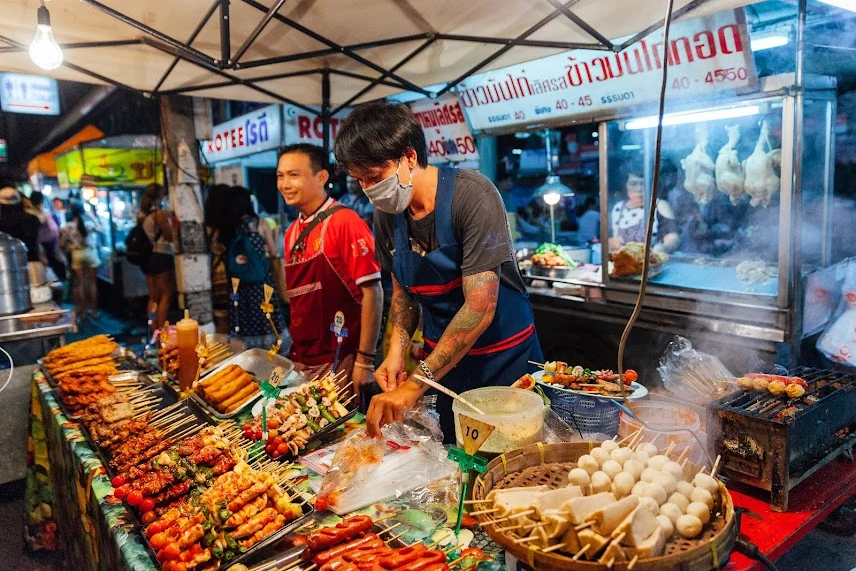
Thailand remains excellent value for food when you mix markets, neighbourhood restaurants and occasional special meals. Street food is not automatically better or safer than a restaurant, so choose busy stalls with high turnover and freshly cooked dishes.

  • Street-food dish or local rice meal: THB 50–100
  • Casual Thai restaurant meal: THB 100–250
  • Café breakfast or Western lunch: THB 180–400
  • Mid-range dinner: THB 400–900 per person
  • Fine dining or premium rooftop venue: THB 1,500–4,000+ per person

Alcohol can exceed the food bill at nightlife venues. Imported wine and spirits carry higher prices, while water, fruit shakes and local coffee are inexpensive. Hotel breakfasts are convenient, but travellers on a tighter budget can often eat well nearby for much less.

Local and Long-Distance Transport

Getting around cities

Bangkok’s BTS and MRT are usually the fastest choices during busy hours. Public buses and canal boats are cheaper but require more confidence. Metered taxis start at THB 40 under the official fare schedule; insist on the meter and use licensed services. Ride-hailing provides upfront estimates but may add demand-based pricing.

  • BTS or MRT journey: commonly THB 17–62 depending on distance and line
  • Short metered taxi ride: roughly THB 70–180 before tolls and heavy traffic
  • Local songthaew or shared transport: often THB 20–60
  • Tuk-tuk: negotiated; tourist-area rides may cost THB 100–300 or more

Travelling between regions

Thailand’s rail and bus networks make overland travel practical. The State Railway of Thailand lists a 2026 Bangkok–Chiang Mai daytime express fare of THB 558, while sleepers cost more according to class and berth. Domestic flights are often competitive when booked early, but checked baggage, airport transfers and peak dates can double the headline fare.

  • Long-distance bus: about THB 300–1,000 depending on route and class
  • Intercity train: about THB 100–1,800 depending on distance, train and berth
  • Domestic flight: commonly THB 1,200–4,000 one way with baggage
  • Island ferry or speedboat: about THB 300–1,500 each way
  • Private intercity car: often THB 2,500–7,000 per vehicle

Compare the full journey rather than only the ticket. An overnight sleeper can save accommodation, while a cheap early flight may require a taxi before public transport begins.

Attractions, Tours and Experiences

Temples and museums can be inexpensive, but national parks, ethical wildlife experiences, diving and private tours add substantially to a Thailand trip cost.

  • Small temple or museum: free to THB 300
  • Major Bangkok attraction: roughly THB 200–500
  • National park entry: often THB 200–500 for foreign adults, plus local transport
  • Group cooking class: THB 900–1,600
  • Island day trip: THB 1,200–3,500
  • Private guide and vehicle: THB 3,500–8,000+ per group per day

Check exactly what is included. A low advertised tour price may exclude national-park fees, pier transfers, equipment or lunch. For organised routes across the country, compare options on our Thailand and Southeast Asia tours page.

How Costs Change by Destination

Bangkok

Bangkok can be affordable because public transport and local food are abundant. The budget rises with riverside hotels, rooftop bars, shopping and frequent taxis. Staying near a BTS or MRT station saves both time and money.

Chiang Mai and northern Thailand

Chiang Mai generally offers lower accommodation and meal prices than the major islands. Mountain excursions and private drivers are the main extras. During smoky-season conditions, plans may need to change, so flexible bookings are valuable.

Phuket, Krabi and the Andaman coast

Beachfront accommodation, airport taxis and boat tours make Phuket one of the country’s more expensive destinations. Krabi town and inland areas are usually cheaper than resort beaches. Prices rise from December to March.

Koh Samui and Gulf islands

Island logistics raise the cost of goods, taxis and transfers. Accommodation varies widely, but the most desirable beach areas command premiums. Seasonal patterns differ from Phuket, so compare both weather and prices before choosing a coast.

Ways to Save Without Spoiling the Trip

  • Travel slowly. Fewer domestic flights and transfers reduce costs and make the trip less tiring.
  • Choose the right coast. Shoulder-season savings are useful only when the local weather still suits your plans.
  • Stay near public transport. A slightly higher room rate may save money on daily taxis.
  • Book trains and popular hotels early. The best-value rooms and sleeper berths sell first.
  • Eat a local lunch. Enjoy markets and neighbourhood restaurants, then reserve the budget for one memorable dinner.
  • Carry a fee-free card and some cash. ATM and foreign-exchange fees accumulate across a long trip.
  • Avoid false economies. The cheapest wildlife or boat tour may compromise safety, welfare or insurance.

Hidden Costs to Include

Allow for travel insurance, visa fees where applicable, laundry, mobile data, tips, baggage, airport transfers and bank charges. Couples should also budget for room deposits, while families may need child seats or larger vehicles. Keep emergency funds separate from daily spending.

A sensible contingency is 10–15 percent of the planned ground budget. Increase it for island-heavy routes, last-minute travel or holiday dates.

Sample Daily Budgets

Backpacker day in Bangkok: about THB 1,500

A hostel bed may cost THB 450, three local meals and drinks around THB 350, public transport THB 150, one admission THB 300 and small extras THB 250. This budget works when you avoid nightlife spending, use trains and buses, and choose free neighbourhood walks alongside paid sights.

Comfortable day in Chiang Mai: about THB 3,800

For one person sharing a room, allow THB 1,200 for the accommodation share, THB 800 for meals and coffee, THB 400 for local transport, THB 1,000 for a class or guided activity and THB 400 for extras. A day without a paid excursion will cost much less, balancing a more expensive countryside outing.

Mid-range island day: about THB 5,500

A shared resort room might contribute THB 2,000 per person, with THB 1,000 for meals, THB 500 for taxis or local transfers, THB 1,500 for a boat activity and THB 500 for drinks and incidentals. On a rest day at the beach, the total may fall below THB 4,000.

Budgeting for Different Travellers

Solo travellers should compare private rooms with social hostels and small group tours. Sharing an airport transfer or excursion can create meaningful savings. Couples benefit most from splitting rooms and private transport, while families should request total prices that include beds, breakfast policies and child admission rules. A family room may cost less than two standard rooms, but availability is limited in boutique properties.

Older travellers and anyone with limited mobility may want a larger transport allowance. The cheapest stations and piers are not always step-free, and a private car can turn a difficult transfer into a comfortable travel day. Digital nomads should budget beyond monthly rent for electricity, coworking access, visa arrangements and travel insurance rather than comparing only apartment listings.

When to Book and When to Pay Locally

Reserve international flights, high-season hotels, sleeper trains and limited-capacity experiences early. Flexible city hotels, local restaurants and simple transfers can often be arranged closer to arrival. Pay deposits only through recognised businesses and keep written confirmation of inclusions, cancellation terms and pickup details.

For a multi-stop trip, build the budget in order: fixed international costs, accommodation, major internal transport, must-do experiences, daily spending and contingency. This prevents one expensive island leg from quietly consuming money intended for the rest of the holiday.

Frequently Asked Questions

Is Thailand still cheap in 2026?

Thailand is still good value, especially for local food, public transport and northern accommodation. Beach resorts, premium nightlife and short-notice domestic travel can be expensive, so the country is affordable rather than uniformly cheap.

How much cash should I carry each day?

THB 1,000–2,000 in smaller notes is practical for meals, local transport and minor admissions, with cards used at established hotels and businesses. Carry less in crowded areas and store reserve cash securely.

Is Thailand cheaper for couples?

Usually yes on a per-person basis because couples share hotel rooms, taxis and private guides. Food and attraction tickets remain individual costs.

What is the biggest Thailand budget mistake?

Moving too quickly is a common mistake. Repeated flights, ferries, transfers and one-night stays cost more and reduce useful holiday time. Three well-chosen regions are normally enough for a two-week first visit.

Plan a Budget That Matches Your Travel Style

A realistic Thailand trip cost in 2026 ranges from around THB 1,200 a day for a careful backpacker to THB 6,000 for a comfortable independent traveller, with luxury budgets extending much higher. Start with accommodation and regional transport, add the experiences you value most, then protect the plan with a contingency. Thailand rewards thoughtful spending: you do not need to choose the cheapest option to receive excellent value.
Best Time to Visit Cambodia: Weather by Region and Month

Choosing the best time to visit Cambodia depends on where you plan to go and what you want from the journey. The country’s tropical monsoon climate creates three useful travel windows: a cooler dry season, a hotter dry season and a lush rainy season. Angkor’s temples, Phnom Penh, the southern islands and the northeastern highlands do not all experience those seasons in quite the same way.

This guide explains Cambodia’s weather month by month and region by region, with practical advice for temple touring, beach time, wildlife, road trips and travel during the green season. For broader planning help, see our complete Cambodia travel guide.

Best Time to Visit Cambodia: The Quick Answer

For most first-time visitors, November to February is the easiest period. Rain is limited, humidity is more manageable and daytime conditions suit long hours at Angkor, city walks and overland travel. December and January usually offer the most comfortable all-round weather, but they are also popular months, so book well ahead.

March and April are generally dry but very hot. May to October is the southwest monsoon, often called the wet or green season. Rain usually arrives in intense showers rather than continuing all day, although the coast and the Cardamom Mountains can receive prolonged downpours. Travellers who accept flexible plans are rewarded with vivid landscapes, fuller waterways and fewer visitors at many sights.

  • Best overall weather: November to February
  • Best for the southern coast and islands: December to March
  • Best for green scenery and lighter crowds: June to August and October
  • Hottest period: March to May, especially April
  • Wettest national period: August and September, with strong regional variation

Understanding Cambodia’s Seasons

Cooler dry season: November to February

Northeast monsoon winds bring Cambodia’s driest and comparatively coolest conditions. Mornings can feel pleasantly fresh, especially in rural areas and the highlands, while afternoons remain warm. This is the most reliable season for a classic itinerary combining Siem Reap, Phnom Penh and the coast. The trade-off is stronger demand for flights, hotels and guides around Christmas, New Year and Lunar New Year.

Hot dry season: March to early May

Temperatures rise steadily through March and commonly reach the high 30s Celsius in April. Temple courtyards and city streets feel hottest from late morning to mid-afternoon. Travel is still practical if you begin early, rest during peak heat, drink frequently and choose accommodation with good cooling. Cambodia’s Khmer New Year falls in mid-April, bringing lively celebrations as well as domestic travel demand and some business closures.

Wet or green season: May to October

The southwest monsoon supplies most of Cambodia’s annual rainfall. Showers often build in the afternoon or evening, cooling the air after a humid day. September is commonly among the wettest months on the central plains, while the southwest coast and mountain slopes receive heavier and more persistent rain. Roads in remote areas may become muddy, but the rice fields turn luminous green and Angkor’s moats and reservoirs fill.

Cambodia Weather by Region

Siem Reap, Angkor and the northwest

Siem Reap follows the central lowland pattern: mostly dry from November through April and rainy from May through October. November to February is ideal for cycling and long temple days. March and April bring harsh midday heat, so plan sunrise visits, shaded ruins and a hotel break after lunch.

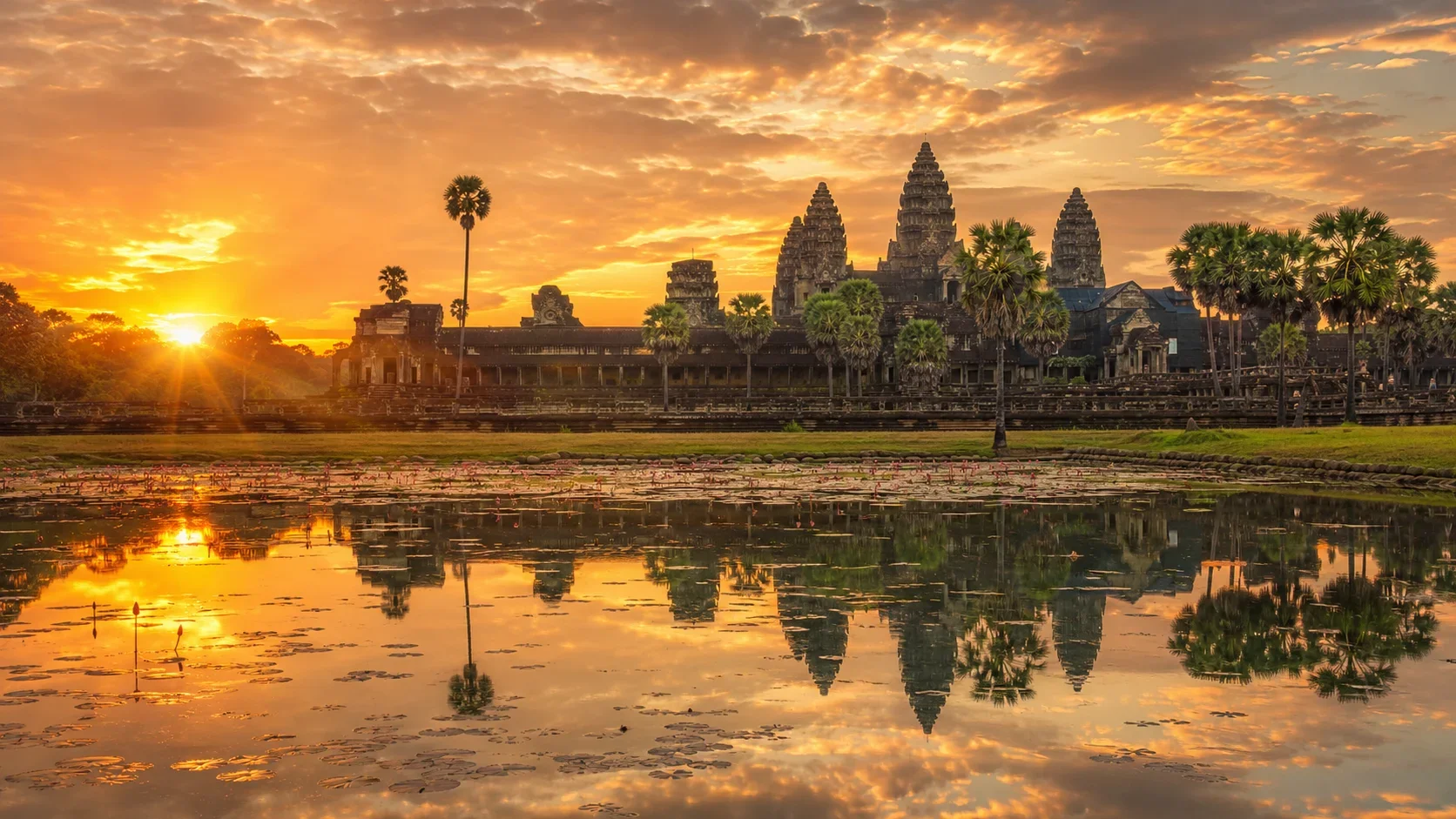
The green season can be beautiful at Angkor. Moss deepens on stone, forest vegetation flourishes and reflections return to temple pools. June and July often provide a workable balance between greenery and manageable rain. In September and October, showers are heavier and some rural roads can flood, but the landscape is at its most dramatic.

Phnom Penh, Battambang and the central plains

The capital and surrounding lowlands are hot throughout the year. December and January usually bring the most comfortable combination of lower humidity and limited rain. By April, reflected heat from paved streets can make daytime sightseeing tiring. During the wet season, thunderstorms may briefly overwhelm city drainage, and low-lying routes can hold standing water.

Battambang and rural plains follow a similar rhythm. The countryside is dusty and golden late in the dry season, then changes quickly after the first dependable rains. Travelling in October or November can pair green fields with improving road conditions.

Kampot, Kep, Sihanoukville and the islands

Cambodia’s southern coast receives much more monsoon rain than the central plains. December to March is the most dependable window for calm seas, island transfers and beach days. April can still be attractive, although it is very hot and humidity rises before the monsoon.

From June through September, heavy rain, wind and rough water can disrupt boats to Koh Rong and other islands. Ferries still operate, but schedules may change for safety. Some small resorts reduce services in the quietest months. If the coast is central to your trip, build in a spare day and confirm transport shortly before departure.

Mondulkiri and Ratanakiri

The northeastern highlands are elevated and can feel cooler at night than Phnom Penh or Siem Reap, particularly from November to February. This dry window is best for forest walks, village visits and unsealed roads. March and April become hot and dusty, though evenings may remain more comfortable than on the plains.

Rain from May to October revives forests and waterfalls, but access can be difficult. Later in the wet season, red-earth roads may be slippery or impassable after storms. Choose an experienced local operator, allow extra travel time and avoid crossing fast-moving water.

Cardamom Mountains and Koh Kong

The southwest-facing Cardamom Mountains are among Cambodia’s wettest areas. For trekking and wildlife-focused stays, November to March usually offers the safest and most comfortable conditions. June to September can bring sustained rain, swollen rivers, leeches and difficult trails. Green-season visits are possible with specialist guides, but itineraries need more flexibility than elsewhere.

Cambodia Weather Month by Month

January: cool, dry and popular

January is one of Cambodia’s best all-round months. Skies are often clear, humidity is relatively low and mornings suit Angkor exploration. The coast is usually calm. Reserve popular hotels and guides early, particularly around New Year.

February: dry with rising heat

February remains dry across most of the country, with warmer afternoons than January. It is excellent for a multi-region journey and still dependable for island time. Begin outdoor activities early as the month progresses.

March: sunny and increasingly hot

Rain is limited, but heat becomes the main planning factor. Schedule temples before 10 a.m. and after 3 p.m., use sun protection and carry water. Sea conditions are generally favourable, making the south coast a sensible place to slow down.

April: the hottest month

April is typically intensely hot, often with afternoon temperatures in the high 30s Celsius. Khmer New Year adds joyful water play and celebrations in mid-month. Confirm transport and hotel availability, and expect some locally owned businesses to close for family holidays.

May: a changeable transition

May brings building humidity and the first regular monsoon storms. Rain is still variable, so a week may include brilliant sun and sudden evening downpours. Visitor numbers fall and the countryside starts to turn green.

June: green landscapes and workable showers

June is a good-value green-season choice for Angkor and the central plains. Showers are frequent but often brief enough to plan around. Coastal rain is heavier, so keep beach expectations flexible.

July: wetter, especially in the southwest

Humidity is high and rain becomes more established. Temples and rice fields photograph beautifully between storms. The coast, Cardamoms and remote dirt roads require extra caution, while city and main-road travel remains generally straightforward.

August: lush scenery and frequent rain

August is wet nationwide and particularly rainy in southwestern Cambodia. It can still suit cultural travellers who prefer fewer crowds and do not mind carrying a light rain jacket. Allow time for transport delays and protect electronics.

September: peak monsoon conditions

September is commonly among the wettest months. Flooding may affect rural areas, and storms can complicate island plans. It is also a rewarding time for full waterways, saturated green landscapes and quieter monuments. Keep the itinerary simple and avoid tight connections.

October: rain eases and water levels stay high

Rain gradually decreases, although early October can remain very wet. Tonle Sap and the Mekong system are generally full, supporting boat journeys and flooded-forest scenery where local conditions permit. Late October often offers an appealing shoulder-season balance.

November: dry season returns

November is one of the strongest months for an extended trip. Rainfall drops, temperatures become more comfortable and the countryside remains green. Water levels are still useful for many Tonle Sap excursions, while trekking conditions improve.

December: reliable weather across Cambodia

December brings dry, pleasantly warm conditions to most regions. It is excellent for temples, cities, highlands and beaches in one itinerary. Demand rises sharply over the festive period, so plan early and expect premium rates at popular resorts.

When to Visit for Different Travel Goals

  • Angkor temples: November to February for comfort; June or July for greenery and lighter crowds.
  • Southern beaches and islands: December to March for the best chance of calm, clear conditions.
  • Tonle Sap: September to November for higher water and broader boat access, subject to local conditions.
  • Highland trekking: November to February for cooler air and firmer trails.
  • Lower prices: May to October, excluding major festivals; compare likely savings in our Cambodia trip cost guide.
  • Photography: November to February for clearer skies, or the green season for saturated landscapes and reflective temple pools.

If you want to combine Cambodia’s headline sights efficiently, adapt our 10-day Cambodia itinerary to the season. In wet months, reduce long road transfers; in hot months, add midday rest time.

Practical Tips for Cambodia’s Heat and Rain

  1. Start early. Sunrise and morning visits are cooler and often quieter, especially from March to May.
  2. Pack breathable layers. Light clothing, a hat and a compact rain shell work better than heavy waterproof gear in humid conditions.
  3. Respect temple dress codes. Carry a light scarf or suitable layer that covers shoulders and knees.
  4. Protect valuables. Use a dry bag or sealed pouch for phones, passports and cameras during boat trips and storms.
  5. Build in flexibility. Do not place an island ferry immediately before an international flight during the monsoon.
  6. Monitor local advice. Weather varies year to year. Ask guides and accommodation staff about road, river and ferry conditions before remote journeys.
  7. Use safe drinking water. Refill from filtered-water stations where available and replace fluids regularly in hot weather.

Explore destinations and trip ideas on our Cambodia travel page, then choose dates that fit your priorities rather than searching for a single perfect month.

Frequently Asked Questions

What is the best month to visit Cambodia?

January is often the best single month for comfortable temperatures, low rainfall and reliable access across the country. December and February are close alternatives, with similarly good conditions but strong demand.

Is Cambodia worth visiting in the rainy season?

Yes. The rainy season offers greener scenery, fewer visitors and often better-value accommodation. Choose a flexible itinerary, expect afternoon showers and be cautious with coastal ferries, remote roads and mountain trekking from July to September.

Does it rain all day in Cambodia during monsoon season?

Not usually on the central plains. Rain often falls in concentrated afternoon or evening storms, with usable dry periods before or after. The coast and southwest mountains can experience longer spells of rain.

When is the best time to visit Angkor Wat?

November to February is most comfortable for long temple days. June and July are appealing alternatives if you value greener grounds and fewer crowds. In March and April, visit at sunrise and late afternoon to avoid peak heat.

When should I avoid Cambodia’s islands?

There is no absolute no-go period, but July through September carries the highest risk of rough seas, ferry changes and extended rain. Travellers focused on beaches should favour December through March.

Plan Around the Experience You Want

The best time to visit Cambodia is November to February for the broadest range of comfortable experiences. Yet the green season can be equally memorable when dramatic skies, quieter temples and lush countryside matter more than guaranteed sunshine. Match the month to your route, leave room for weather changes and Cambodia remains rewarding throughout the year.

Vietnam Without the Crowds: 15 Quieter Places to Visit

Vietnam’s famous highlights deserve their reputation, but they are only part of the story. Beyond the busy streets of Hanoi, the lantern lanes of Hoi An and the cruise routes of Ha Long Bay, there are mountain valleys, coastal towns and islands where the pace feels gentler and daily life remains close at hand.

This guide introduces 15 quieter places to visit in Vietnam. They are not secret or completely tourist-free, especially during weekends and national holidays, but they generally offer more space and a slower rhythm than the country’s best-known stops. From northern rice terraces to remote southern islands, each destination gives you a different way to experience Vietnam without following the busiest route.

At a glance: where to go for a quieter Vietnam trip

  • Mountains and rice terraces: Cao Bang, Ba Be, Hoang Su Phi, Mu Cang Chai and Pu Luong
  • Culture and countryside: Moc Chau, Mang Den, Dak Lak and Chau Doc
  • Caves and national parks: Phong Nha
  • Quiet coastlines and islands: Quy Nhon, Phu Yen, Ninh Thuan, Ly Son and Con Dao

1. Cao Bang

In Vietnam’s far northeast, Cao Bang combines limestone mountains, clear rivers and winding roads with a distinctly local atmosphere. The region’s best-known sight is Ban Gioc Waterfall on the border with China, but the journey is just as memorable. Rice fields, stone villages and steep green valleys unfold between the provincial capital and the falls.

Allow at least two or three nights so you can visit Nguom Ngao Cave, Truc Lam Ban Gioc Pagoda and rural communities without rushing. Ban Gioc is livelier around midday, so staying nearby lets you arrive early in the morning. The dry months from October to April are comfortable for road travel, while the waterfall is usually fuller during the wetter season.

2. Ba Be National Park

Ba Be is a peaceful alternative for travellers who want forests and water rather than a packed sightseeing schedule. The national park is centred on a large freshwater lake surrounded by limestone cliffs, caves and Tay villages. Boat trips pass quiet coves, Puong Cave and the Nang River, with plenty of time to watch local life along the banks.

Base yourself in a family-run homestay in Pac Ngoi or Coc Toc village. Two nights are enough for a boat journey, a short walk or bicycle ride and an unhurried evening by the lake. Bring cash and expect simple facilities; the slower infrastructure is part of what keeps Ba Be relaxed.

3. Hoang Su Phi

Ha Giang’s famous loop has become much busier, but Hoang Su Phi in the province’s west still offers a quieter mountain experience. Its rice terraces curve around high valleys and ethnic minority villages, creating some of northern Vietnam’s most dramatic landscapes. Roads are challenging in places, yet the reward is a strong sense of remoteness.

The terraces are vivid green from roughly June to August and turn gold around September or early October, depending on the harvest. Stay in a lodge or community homestay for two or three nights, hire an experienced local driver if you are not confident on mountain roads, and build extra time into your itinerary for weather changes.

4. Mu Cang Chai

Mu Cang Chai is known for steep rice terraces shaped over generations by Hmong communities. Although photographers arrive during the harvest, the area remains much calmer than Sapa for most of the year. La Pan Tan, Che Cu Nha and De Xu Phinh offer layered valley views, while village roads reveal a more rural side of the northwest.

Visit on weekdays and spend at least two nights rather than treating it as a quick photo stop. The main rice season generally runs from late spring to early autumn, with golden fields often appearing in September. Outside the harvest period, the quieter roads and misty mountains still make the journey worthwhile.

5. Pu Luong Nature Reserve

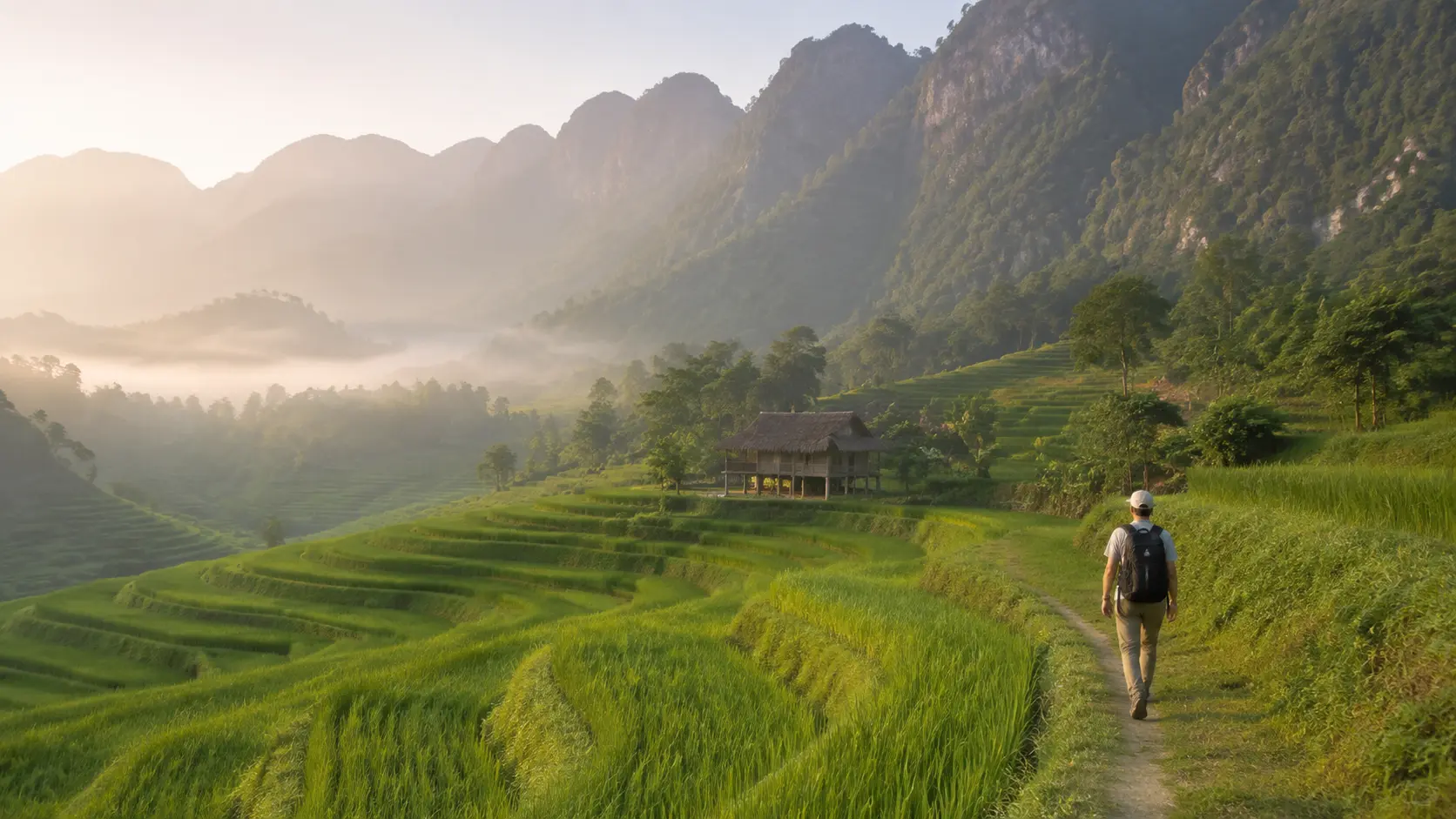
Pu Luong provides terraced fields, forested hills and traditional stilt-house villages within reach of Hanoi. It is increasingly popular, but it still feels gentle away from weekend resort clusters. Walking routes connect villages such as Kho Muong, while Hieu Waterfall and the reserve’s bamboo water wheels add variety to the landscape.

Choose a small homestay or lodge overlooking the valley and stay for two or three nights. March to May and September to November often bring pleasant conditions and attractive fields. Ask before photographing residents, use local guides for village walks and avoid leaving litter on narrow agricultural paths.

6. Moc Chau

Moc Chau is a highland plateau of tea fields, fruit orchards, dairy farms and flower valleys. It is a refreshing stop between Hanoi and the northwest, especially for travellers who prefer gentle countryside exploration to demanding trekking. Tea plantations and small villages spread across a broad area, making independent transport or a local driver useful.

The plateau changes with the seasons: plum and peach blossoms brighten the early months, while tea hills remain a signature sight through much of the year. Weekends and blossom festivals draw domestic visitors, so come midweek if quiet is your priority. Two nights give you enough time to explore without racing between viewpoints.

7. Phong Nha

Phong Nha is famous among adventure travellers, yet the riverside town remains far more laid-back than Vietnam’s major cities and beach resorts. The surrounding national park protects an extraordinary limestone landscape filled with caves, jungle and underground rivers. Easy outings include Phong Nha Cave and Paradise Cave, while guided expeditions reach more remote systems.

Stay three nights if you want time for both caves and countryside. Cycle through Bong Lai Valley, take a boat on the Son River or join a responsible small-group trek. Some cave routes close during heavy rain, so check seasonal conditions and book specialist expeditions only with licensed operators.

8. Quy Nhon

Quy Nhon offers a long urban beach, excellent seafood and easy access to small coves without the intensity of Nha Trang or Da Nang. The city has developed quickly, but its seafront still feels local in the early morning when residents exercise and fishing boats return. Beyond the centre, Ky Co, Eo Gio and quiet stretches south of the city show off the rugged coast.

Two or three nights work well for a relaxed beach break. Visit popular viewpoints early, then spend the afternoon at a less-developed beach or explore the region’s Cham towers. The driest beach weather is commonly found from around March to August, although summer weekends can be busy.

9. Phu Yen

North of Nha Trang, Phu Yen pairs a rural coastline with fishing villages, green fields and distinctive rock formations. Ganh Da Dia’s geometric basalt columns are the headline sight, but places such as Bai Xep, Vung Ro Bay and Mui Dien make the province rewarding as a slow road trip rather than a single stop.

Base yourself in Tuy Hoa for two or three nights and arrange a car or motorbike with a confident driver. Distances are longer than they appear, so group nearby sights together. Sunrise is especially beautiful along this east-facing coast, and an early start also helps you enjoy key locations before day visitors arrive.

10. Ninh Thuan

Ninh Thuan has one of Vietnam’s driest climates and a landscape unlike the tropical image many visitors expect. Vineyards, salt fields, sandy bays and rugged hills surround Phan Rang. The province is also an important centre of Cham culture, with Po Klong Garai towers and traditional craft villages offering a deeper cultural dimension.

Explore Vinh Hy Bay, Nui Chua National Park and the coastal road at an unhurried pace. Two or three nights are ideal. The sun and wind can be strong, so carry water and protection, and dress respectfully at religious sites. Hiring a knowledgeable local guide will make Cham heritage visits more meaningful.

11. Ly Son Island

Ly Son is a volcanic island off central Vietnam, known for garlic farms, coastal cliffs and clear blue water. Its compact size makes it easy to explore by scooter or electric vehicle. Hang Cau, To Vo Gate and viewpoints around Thoi Loi reveal the island’s volcanic geology, while nearby Be Island offers small beaches and a slower village atmosphere.

Stay at least two nights so your trip is not dependent on a single ferry crossing. Seas are generally calmer in the drier months, but schedules can change with weather. Avoid public holidays, confirm the return boat locally and reduce single-use plastic because waste management is more difficult on small islands.

12. Mang Den

Set among pine forests in Kon Tum Province, Mang Den is a cool highland retreat with lakes, waterfalls and farms. It has gained attention among Vietnamese travellers, yet outside peak weekends it remains a calm base for nature and café stops. The air is cooler than the lowlands, and mist often settles across the hills in the morning.

Spend two nights exploring Pa Sy Waterfall, forest roads and local villages with a guide. Development is increasing, so choose locally owned stays and experiences where possible. Rain can arrive quickly in the highlands; pack a light jacket and allow flexibility rather than filling every hour.

13. Dak Lak

Dak Lak is the heart of Vietnam’s coffee country. Buon Ma Thuot provides museums, markets and an energetic café culture, while the wider province offers waterfalls, forests and lakes. Lak Lake and Yok Don National Park are good starting points for learning about local landscapes and the cultures of Ede and M’nong communities.

Plan two or three nights and choose wildlife activities carefully. Ethical observation should keep a respectful distance and never involve elephant riding. A local guide can help interpret village customs, coffee production and the ecology of the dry forest while ensuring more of your spending stays within the community.

14. Chau Doc

Near the Cambodian border, Chau Doc is a fascinating Mekong Delta town shaped by Vietnamese, Khmer, Cham and Chinese influences. Markets, temples and riverside communities make it culturally rich without the big-city pace. Sam Mountain offers broad views over rice fields and canals, particularly around sunset.

Stay two nights to visit religious sites, explore the Tra Su cajuput forest and enjoy the town’s distinctive food. Dress modestly in temples and ask permission before taking close photographs. Chau Doc also fits naturally into an overland journey between southern Vietnam and Phnom Penh.

15. Con Dao

Con Dao combines forested hills, quiet beaches and powerful historical sites in a remote southern archipelago. Con Son, the main island, has a small town and scenic coastal roads, while much of the surrounding land and sea falls within a national park. The former prison complex and memorials require time and respect; they are central to understanding the island.

Stay three or four nights to balance history, nature and rest. Beach and boat conditions vary by season, and wildlife experiences such as turtle watching should be arranged through authorised conservation programmes. Con Dao is no longer unknown, but careful timing and its limited scale still make it feel calmer than Vietnam’s largest resort islands.

How to avoid crowds in Vietnam

  • Travel midweek: Many nature destinations receive most domestic visitors from Friday evening to Sunday.
  • Avoid major holidays: Tet and the Reunification Day-Labour Day period can bring heavy demand, closures and higher prices.
  • Stay overnight: Early mornings and late afternoons are often peaceful after day-trippers leave.
  • Slow down: Spending two or three nights in one place reduces travel fatigue and supports local businesses.
  • Use local expertise: Guides can suggest suitable routes, explain community customs and adjust plans for weather.
  • Respect fragile places: Carry reusable water bottles where refills are available, take rubbish out and keep to marked paths.

Best time to visit quieter places in Vietnam

Vietnam stretches across several climate zones, so there is no single perfect month for every destination. Northern mountain travel is often most comfortable in spring and autumn, but rice-terrace colours depend on local planting and harvest schedules. Central coastal areas generally have their best beach conditions during the drier part of the year, while highland and cave plans may be affected by seasonal rain. Southern islands have their own wind and sea patterns.

Check conditions for each region shortly before travelling, especially when your plan includes ferries, remote roads, caves or trekking. A flexible extra day is often more valuable than adding another destination.

Frequently asked questions

Is Vietnam overcrowded?

No. Crowds are concentrated in famous attractions, busy city centres and peak holiday periods. Many provinces and rural districts remain peaceful, particularly when you travel midweek, stay overnight and explore beyond the main viewpoint.

Which quiet place in Vietnam is best for first-time visitors?

Pu Luong and Phong Nha are practical choices because they combine beautiful scenery with a useful range of accommodation and organised activities. Quy Nhon is a good option for travellers who prefer a relaxed coast and easy city comforts.

Can I visit these destinations without a motorbike?

Yes. Trains, buses and flights connect the main gateways, while local cars, drivers and guided tours can cover the final distance. In remote mountain regions, hiring an experienced driver is often safer and more relaxing than riding independently.

A quieter journey, not a checklist

The best way to experience Vietnam without the crowds is not to chase all 15 places. Choose two or three that fit naturally into your route, stay longer and leave room for local recommendations. A quiet market breakfast, a village walk or an unscheduled afternoon by the river may become more memorable than another rushed landmark.