Travel Style: Exploration
The Perfect 14-Day Thailand Itinerary for First-Time Visitors
Two weeks is an excellent length for a first Thailand trip. It gives you time for Bangkok’s temples and neighbourhoods, northern culture in Chiang Mai and a proper beach finish without turning every other day into a transfer.
This 14-day Thailand itinerary balances essential sights with free time. It follows Bangkok to Chiang Mai and then the Andaman coast, but the beach section can be adapted to the Gulf islands when weather or flight schedules make them a better choice.
14-day Thailand itinerary at a glance
- Days 1–4: Bangkok, including temples, canals, food and a flexible day trip
- Days 5–8: Chiang Mai, with old-city culture, food and a responsible nature experience
- Days 9–13: Phuket or Krabi for beaches, islands and recovery time
- Day 14: Departure or onward travel
The route works because each region feels distinct. Bangkok is energetic and layered, Chiang Mai is calmer and culturally different, and the south gives you space to slow down. For destination ideas, compare our Bangkok guide and Chiang Mai guide.
Days 1–4: Bangkok
Day 1: Arrive and settle in
Keep arrival day light. Check in, walk around your neighbourhood and have an early dinner. Riverside areas suit travellers who prioritise temples and views; Sukhumvit offers transport and dining convenience; the old city places you near historic landmarks but farther from the main BTS network.
Do not plan a major tour immediately after a long flight. Bangkok’s heat, traffic and time-zone change can make a simple evening more enjoyable than a rushed attraction.
Day 2: Grand Palace, Wat Pho and the river
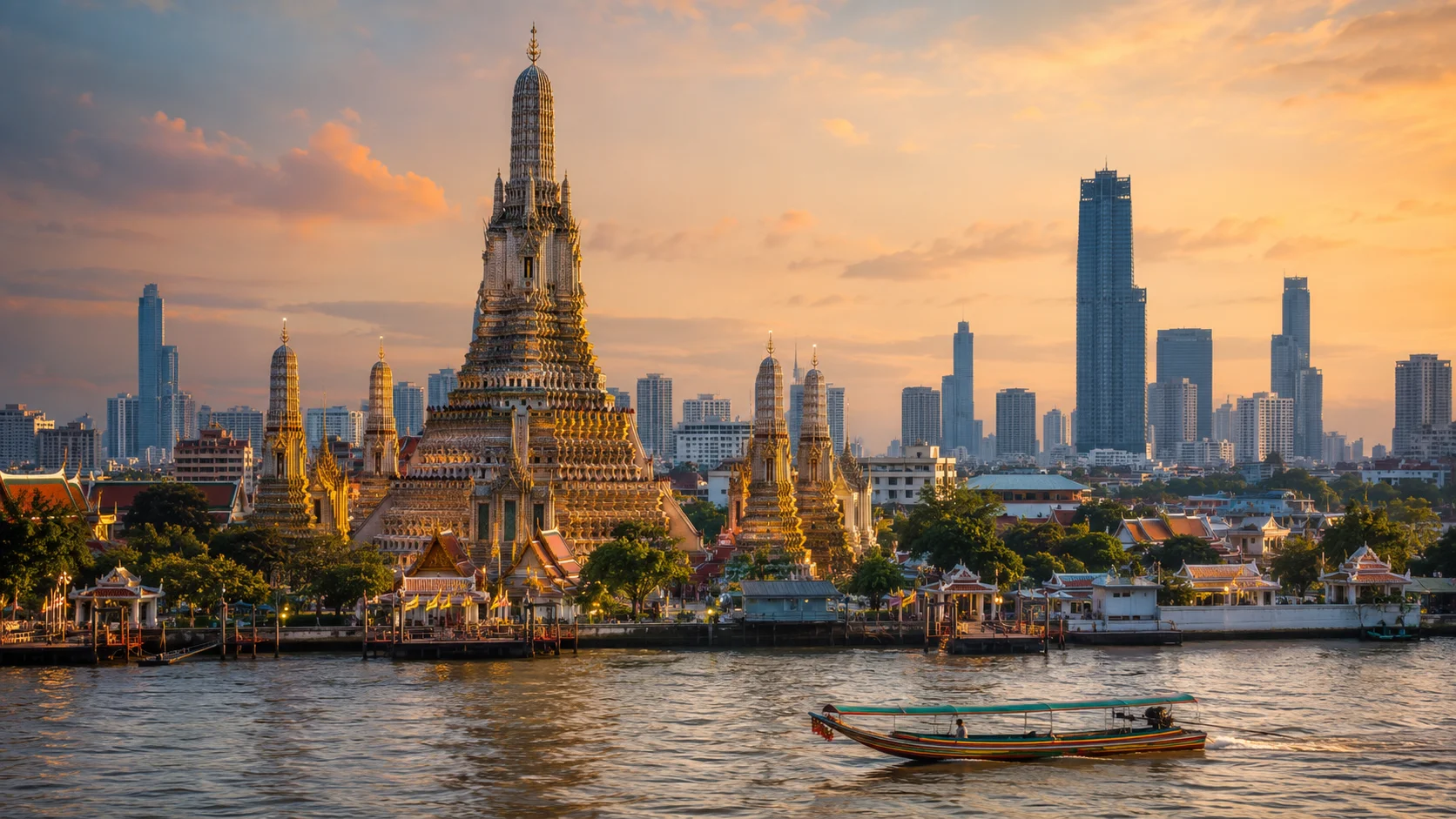
Start early at the Grand Palace and Wat Phra Kaew, then continue to Wat Pho. Dress respectfully with shoulders and knees covered. Cross the river for Wat Arun when energy and weather allow, and finish with a public river boat or sunset by the Chao Phraya.
Temple opening arrangements can change for ceremonies, so verify details close to your visit. The Tourism Authority of Thailand is a useful official starting point for destination information.
Day 3: Neighbourhoods and Bangkok food
Explore a different side of the capital through Chinatown, Talat Noi or a canal-side community. A small guided food walk helps first-time visitors understand ingredients and ordering customs. Leave enough appetite for grilled skewers, noodles, curries, fruit and a traditional dessert rather than trying everything at one stop.
Day 4: Ayutthaya or a flexible Bangkok day
Choose a day trip to Ayutthaya if ancient capitals are a priority. The temple ruins are reachable by train, organised tour or private car. If you prefer less transport, stay in Bangkok for museums, markets, contemporary art or a slower canal excursion.
Days 5–8: Chiang Mai
Day 5: Travel north
A morning flight is the most efficient choice for this itinerary. The overnight train can be memorable and saves a hotel night, but it uses more schedule time and may not deliver deep sleep. After arrival, explore the old city walls, a local café and an evening market.
Day 6: Old City temples and northern cuisine
Visit a small selection of temples rather than racing through every famous name. Wat Chedi Luang and Wat Phra Singh are natural anchors. Break for khao soi or another northern dish, then explore craft shops and neighbourhood streets. The official Chiang Mai destination page provides additional ideas.
Day 7: Doi Suthep and mountain scenery
Go early to Wat Phra That Doi Suthep for cooler weather and wider views. Continue to a botanical garden, mountain community or nature trail only if it suits your fitness and interests. Private transport offers flexibility; shared vehicles are cheaper but require patience.
Day 8: Choose a responsible experience
Use this day for a cooking class, craft workshop, cycling route or carefully assessed elephant sanctuary. Avoid venues that promote riding, performances, forced bathing or constant touching. A credible operator should explain animal welfare practices clearly and allow observation without manufacturing interaction.
Days 9–13: Southern Thailand
Day 9: Fly to Phuket or Krabi
Direct flights from Chiang Mai are the simplest when available. Phuket has the widest hotel and dining range, a busy airport and many organised excursions. Krabi offers dramatic limestone scenery and easy access to Railay. Choose one base instead of changing hotels repeatedly.
Day 10: Beach and recovery day
After several sightseeing days, protect one unstructured day. Swim, rest, explore your beach area and watch sunset. This pause is not wasted time; it makes the remaining excursions more enjoyable.
Day 11: Island or marine park excursion
Select a boat trip based on sea conditions, group size and environmental standards. Popular options include Phi Phi, Phang Nga Bay and Hong Islands, depending on your base. Early departures may reduce heat and crowds. Wear reef-conscious sun protection and follow local rules around marine life.
Day 12: Local culture beyond the beach
In Phuket, consider the old town, local food and viewpoints. From Krabi, explore inland communities, a market or gentle nature experience. Keeping a land-based day between boat trips also provides a useful weather buffer.
Day 13: Final free day
Leave the final full day open. Return to a favourite beach, book a spa treatment, enjoy a long lunch or take a short excursion only if the forecast is good. Pack before dinner and confirm the airport transfer time.
Day 14: Departure
Fly home from Phuket or Krabi when your airline offers a practical connection. If the international ticket departs Bangkok, allow a safe connection rather than relying on a tight self-transfer. Separate tickets require extra time for delays, baggage collection and check-in.
When to use the Gulf islands instead
Thailand’s coasts do not share identical weather. Phuket and Krabi are often strongest in the drier months from roughly November to April, while Koh Samui, Koh Phangan and Koh Tao follow a different rainfall pattern. Use current forecasts and seasonal ferry schedules before locking the beach section.
How much will this itinerary cost?
Your total depends on hotel level, domestic flights, private guiding and island tours. Bangkok and Chiang Mai can offer excellent value, while beachfront hotels and boat excursions increase the average. Our Thailand trip cost guide explains realistic budget ranges.
Transport tips for a smoother route
- Use Bangkok’s BTS, MRT and river services when they fit the route; road journeys can be slow at peak time.
- Book domestic flights with enough baggage allowance for your actual luggage.
- Keep passports and essential medicine in hand luggage.
- Use licensed taxis, recognised ride services or pre-arranged transfers.
- Leave a weather buffer before important international connections.
For travellers who prefer private planning, the 16-day Vietnam and Thailand highlights tour shows how Thailand can also fit into a longer regional journey.
Final planning advice
The perfect two-week Thailand itinerary is balanced, not packed. Four nights in Bangkok, four in Chiang Mai and five in the south creates variety without constant movement. Adjust the route for weather, flight times and personal interests, but resist adding another city simply because it appears close on a map.
Book the first nights and major transport in advance, then preserve some flexibility for food, neighbourhood walks and weather changes. Those unscripted hours are often what make a first Thailand trip feel personal.
Is Cambodia Worth Visiting in 2026?
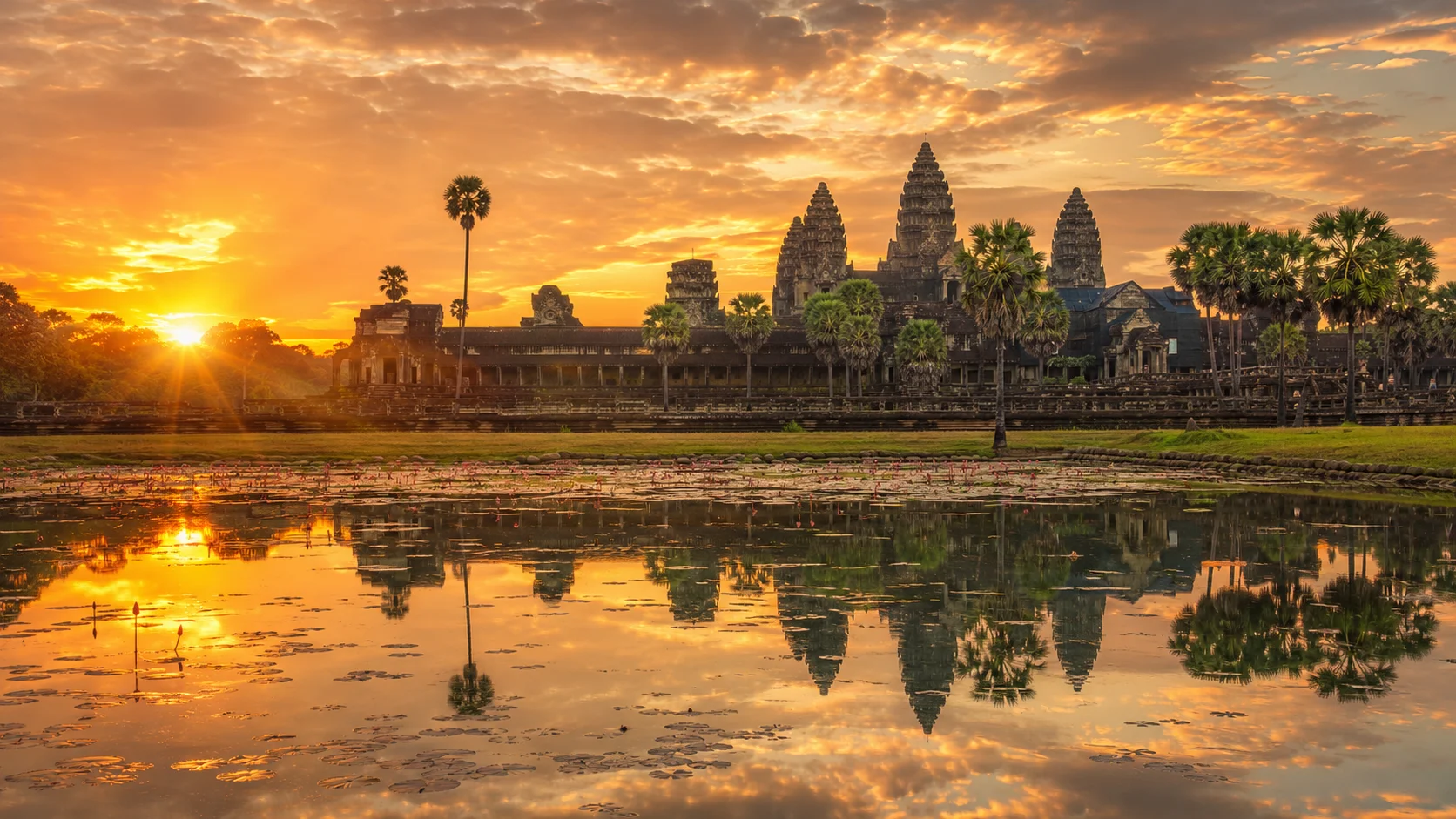
Cambodia is absolutely worth visiting in 2026 for travellers who want monumental history, welcoming communities, excellent food and a trip that can still be planned at a sensible cost. Angkor Wat may be the headline, but the country becomes more rewarding when you also give time to Phnom Penh, Battambang, the Mekong and the southern islands.
The more useful question is not simply whether Cambodia is worth visiting, but whether its pace, climate and travel style suit you. This guide explains what makes the country special, where expectations should be realistic and how to plan a thoughtful first trip.
Why Cambodia is worth visiting in 2026
Cambodia offers an unusually strong mix of world-famous heritage and everyday experiences. You can watch sunrise over a twelfth-century temple, eat fragrant fish amok at lunch, cross a village by remork in the afternoon and finish the day beside a river or rice field. Travel distances are manageable, English is widely used in the main visitor centres, and local guides can add essential context to the places you see.
It also fits naturally into a wider Southeast Asia journey. Direct regional flights and overland routes connect Cambodia with Thailand, Vietnam and Laos. However, it deserves more than a quick border stop. A focused five- to ten-day visit usually feels more satisfying than squeezing Siem Reap into a rushed multi-country itinerary.
Angkor is genuinely extraordinary
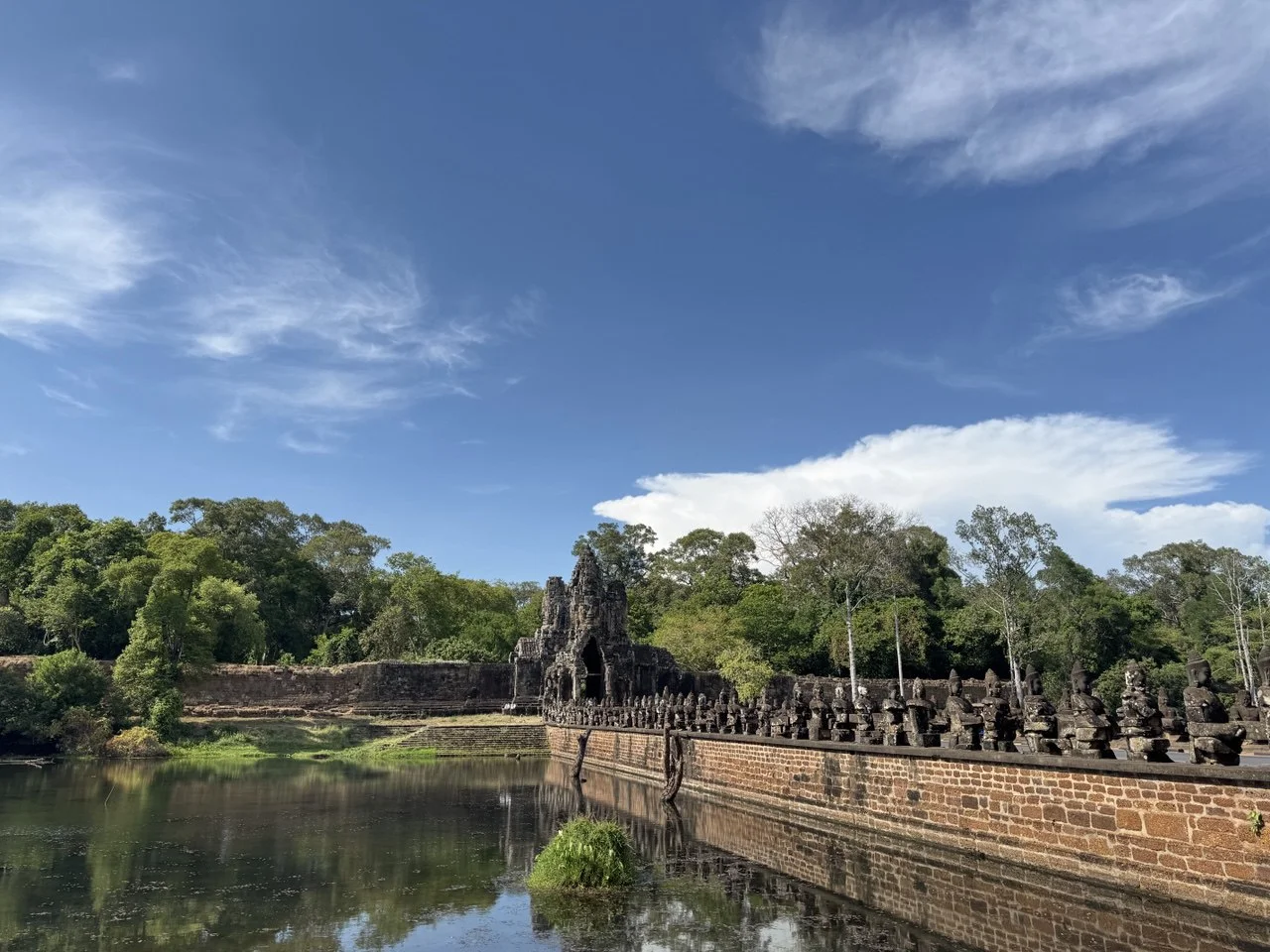
Some famous sights disappoint after years of hype. Angkor rarely does. The archaeological park is not one monument but a vast cultural landscape containing temples, reservoirs, roads and forest. Angkor Wat is the best-known structure, while the stone faces of Bayon, the roots around Ta Prohm and the quieter outer temples create very different experiences.
Plan at least two full temple days if your schedule allows. A licensed guide helps explain the Khmer Empire, religious changes and architectural details that are easy to miss. Buy passes only through the official Angkor Enterprise information, and follow the visitor code of conduct at sacred sites.
There is far more than Angkor Wat
Phnom Penh combines the Royal Palace, riverfront life, contemporary Khmer restaurants and difficult but important twentieth-century history. Battambang has colonial-era streets, countryside excursions and a relaxed creative scene. Kampot and Kep offer pepper farms, mountain views and a slower southern rhythm, while the Cardamom Mountains appeal to travellers interested in conservation and nature.
For beach time, Koh Rong and neighbouring islands can finish a cultural itinerary with clear water, sandy bays and small resorts. Infrastructure varies by beach, so choose accommodation for the atmosphere you want rather than assuming every part of an island has the same level of development.
Who will enjoy Cambodia most?
- Culture and history travellers: Angkor, pre-Angkorian sites, museums and living traditions provide depth well beyond a checklist.
- Food lovers: Khmer cuisine is subtle, herb-driven and still underrepresented internationally. Markets, family restaurants and modern Cambodian kitchens are all worth exploring.
- Photographers: Temple stone, monsoon-green countryside, floating communities and river sunsets offer varied subjects.
- Slow travellers: Cambodia rewards unhurried mornings, local conversations and time outside the major attractions.
- Value-conscious travellers: Accommodation and meals cover a broad price range, although responsible tours and good private transport should not be chosen on price alone.
When Cambodia may not be the right choice
No destination suits everyone. Cambodia can feel hot and humid, pavements are uneven or absent in many places, and long road journeys may be slower than the distance suggests. Public transport between cities has improved, but it does not offer the seamless network found in Singapore or parts of Thailand.
Travellers expecting polished luxury everywhere may need to adjust their expectations outside the main centres. Likewise, anyone uncomfortable engaging with difficult history should understand that Phnom Penh’s most significant memorial sites are emotionally demanding. They are optional, but approaching the country’s recent past respectfully makes the present easier to understand.
The best places for a first Cambodia trip
Siem Reap: temples and an easy introduction
Siem Reap is the logical first stop for most visitors. Spend two days at Angkor, then leave space for a food tour, artisan workshop, countryside experience or Tonlé Sap excursion chosen with care. Our Siem Reap destination guide explains how the town works beyond the sunrise crowds.
Phnom Penh: history, food and river life
The capital deserves at least two nights. Visit the Royal Palace area, explore markets, try both traditional and contemporary Khmer cooking, and allow time for the riverfront in the early evening. Read our Phnom Penh guide before deciding which historical sites fit your trip.
Battambang: rural Cambodia at a gentler pace
Battambang works well between Phnom Penh and Siem Reap. Its appeal comes from the surrounding countryside, small-scale attractions and atmosphere rather than one blockbuster landmark. Two nights gives you time for a guided rural excursion without turning the visit into another transit stop.
The south: Kampot, Kep and Koh Rong
Add the south if you have ten days or more. Kampot is a good base for pepper farms and Bokor landscapes; Kep is known for seafood and a quiet coast; Koh Rong provides a proper beach finish. The 13-day Cambodia historical and relaxing tour shows how these contrasting regions can fit into one route.
How long should you spend?
Three days is enough for a focused Siem Reap visit, but not for Cambodia as a country. Five to seven days can combine Siem Reap and Phnom Penh. Eight to ten days allows a third stop such as Battambang or Kampot. With twelve to fourteen days, you can add the islands or a nature-based experience without rushing.
For detailed route options, see how many days you need in Cambodia. The best itinerary is not the one with the most stops; it is the one that leaves enough energy to appreciate each place.
Best time to visit Cambodia
November to February is generally the most comfortable period, with lower humidity and less rain. It is also the busiest season around Angkor. March to May is hot, so start sightseeing early and protect the middle of the day. June to October brings the green season: showers become more frequent, landscapes brighten and visitor numbers can be lower.
Rain does not usually mean every day is lost, but coastal and forest regions can receive heavier weather than the central plains. Our Cambodia weather-by-region guide gives a month-by-month comparison.
What does a Cambodia trip cost?
Cambodia remains flexible for different budgets, but the cheapest option is not always the best value. Simple local meals and comfortable guesthouses can be affordable, while private guides, quality vehicles, conservation experiences and island resorts raise the daily total. Angkor admission, domestic transport and responsible excursions should be budgeted separately.
Use the figures in our Cambodia trip cost guide as a planning range, then price your actual route. A short temple trip and a two-week private journey have very different cost structures.
Practical planning for 2026
- Check entry rules before departure. Visa eligibility can depend on nationality and entry point. Use Cambodia’s official eVisa website, not an imitation service.
- Carry a mix of payment options. US dollars are widely accepted, while Cambodian riel is common for smaller purchases. Keep clean notes and use reputable ATMs.
- Dress respectfully. Cover shoulders and knees at active religious sites, speak quietly and never climb restricted structures.
- Protect yourself from heat. Start early, drink water, use sun protection and schedule breaks instead of forcing a full midday programme.
- Choose ethical wildlife and community experiences. Avoid attractions involving direct handling, forced performances or exploitative interactions with children.
- Allow realistic road time. A private car offers flexibility, while scheduled buses are useful on popular routes. Do not stack a long transfer and major sightseeing on the same day.
Is Cambodia safe and easy for first-time visitors?
Most trips are straightforward with ordinary precautions. Secure your phone and bag in busy streets, use reputable transport, keep digital copies of important documents and check current official advice before travelling. Traffic is one of the more practical everyday risks, so cross roads carefully and wear a helmet on motorbikes.
First-time visitors often find Siem Reap especially manageable because tourism services are well established. Phnom Penh is busier and requires more street awareness. Rural areas may have limited medical facilities, making suitable travel insurance important for longer or more adventurous routes.
How to make the trip more meaningful
Hire Cambodian guides, eat at locally owned restaurants and buy directly from credible artisans when possible. Learn a few Khmer greetings, ask before photographing people and remember that villages are homes rather than open-air exhibits. At memorial sites, follow posted rules and give other visitors space.
It is also worth questioning experiences that market poverty, orphanages or wildlife contact as entertainment. Responsible spending will not solve every issue, but it helps direct more tourism value toward the people and places that create the experience.
Final verdict: is Cambodia worth visiting?
Yes. Cambodia is worth visiting in 2026 for far more than Angkor Wat. Its strongest trips combine major heritage with contemporary cities, rural landscapes, local food and enough time to understand the country beyond a single image.
Come with realistic expectations about heat, transport and infrastructure, and plan with respect for local culture. Give Cambodia at least five to seven days if you can. The result is likely to feel less like a quick temple stop and more like one of Southeast Asia’s most memorable journeys.
22 Days Best of Cambodia, Myanmar, Laos and Relaxing Tour
Malaysia Travel Guide 2026: Everything You Need to Know
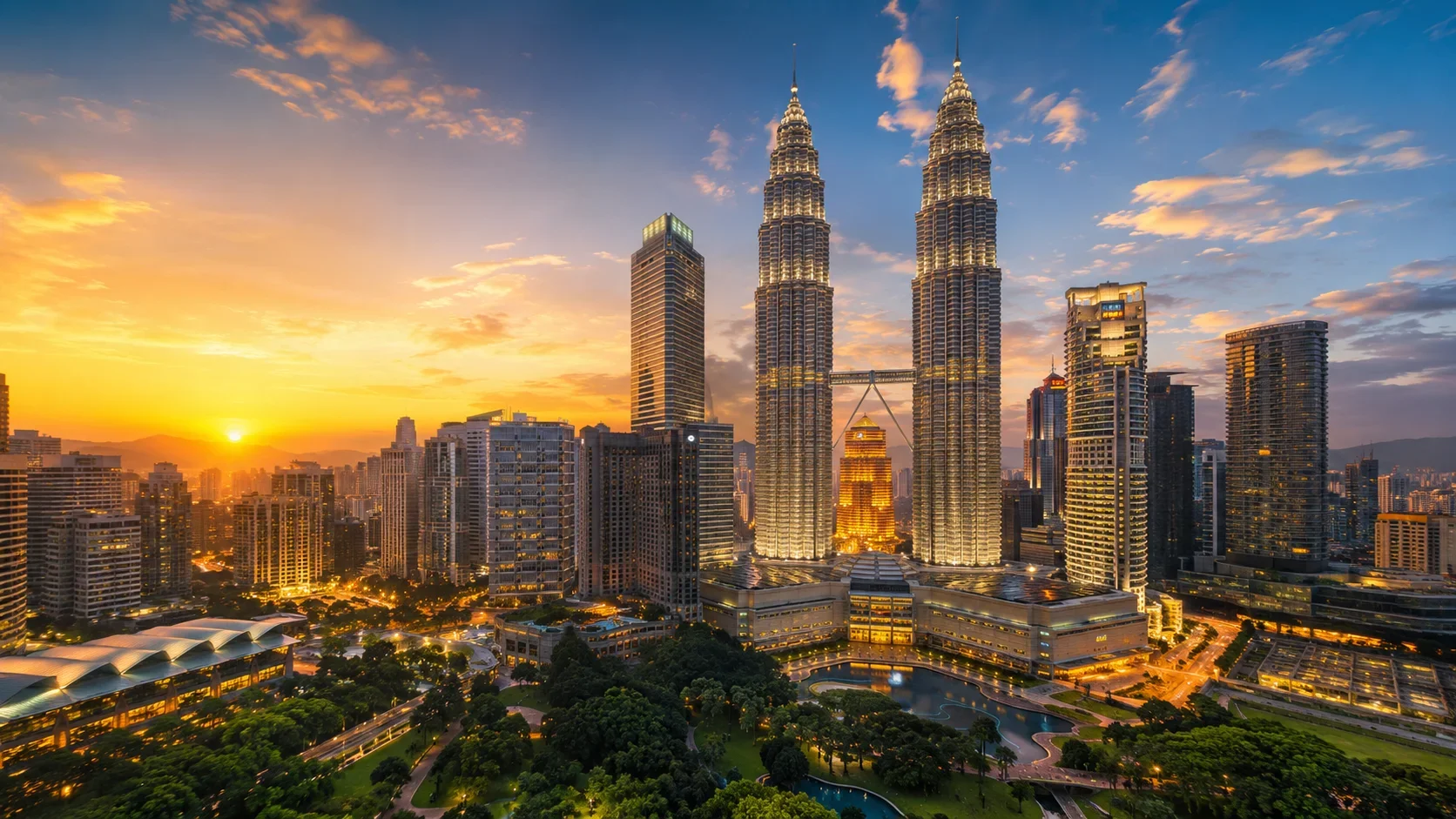
Malaysia is one of Southeast Asia’s easiest countries to explore and one of its most varied. A single journey can combine Kuala Lumpur’s modern skyline, George Town’s heritage streets, Malacca’s riverfront, rainforest in Borneo, cool highlands and beaches on two different coasts. This Malaysia travel guide explains the choices that matter in 2026: entry requirements, seasons, routes, transport, costs, food and cultural etiquette.
Start with our Malaysia destination guide for an overview of places and planning ideas. First-time visitors can also explore our guides to Kuala Lumpur, George Town and Malacca.
Malaysia at a Glance
- Capital: Kuala Lumpur; the federal administrative centre is Putrajaya.
- Currency: Malaysian ringgit (MYR), usually written as RM.
- Language: Malay is the national language; English is widely understood in visitor areas.
- Time zone: GMT+8 throughout the country.
- Typical first trip: Seven to fourteen days.
- Best approach: Choose one coast and a manageable number of regions instead of trying to see everything.
Why Visit Malaysia in 2026?
Malaysia suits travelers who want variety without difficult logistics. Airports, intercity roads and urban public transport are well developed, accommodation ranges from simple guesthouses to luxury resorts, and English makes independent travel straightforward. Food is a major reason to come: Malay, Chinese, Indian, Peranakan, Indigenous and regional traditions meet in hawker centres and night markets.
Visit Malaysia 2026 also places extra attention on the country’s culture and destinations. The official Visit Malaysia 2026 information highlights a year of events and national tourism promotion. That can mean more activities and improved visitor services, but popular festival weekends may need earlier hotel and transport bookings.
Malaysia Entry Requirements in 2026
Entry rules depend on nationality, passport type, purpose and length of stay. Check the Malaysian Immigration Department’s entry requirements and its visa-by-country guidance before booking non-refundable travel. Your passport should meet the validity requirements, and immigration may request evidence of onward travel, accommodation and sufficient funds.
Many foreign visitors must submit the Malaysia Digital Arrival Card. The official MDAC registration page states that the trip must be within three days, including the submission date. Use only official government websites, save the confirmation and recheck the exemptions because arrival-card and visa rules are not the same thing.
Best Time to Visit Malaysia
Malaysia is warm and humid throughout the year, so the key question is not “dry or wet?” for the whole country. The better question is which coast and region you plan to visit. Short showers can occur in any month, while monsoon patterns affect beaches, ferries and sea conditions differently.
West coast and central peninsula
Kuala Lumpur, Malacca, Penang and Langkawi are commonly included in west-coast routes. Conditions are generally favorable for much of the year, though rain and thunderstorms remain possible. December to February is popular, while the middle of the year can also work well. In Kuala Lumpur, heat and showers are normal in every season, so plan indoor attractions and food stops around the weather.
East coast islands
The Perhentian Islands, Redang and Tioman are seasonal choices. The northeast monsoon can bring rough seas, heavy rain and reduced boat or resort operations, especially from roughly November into February. The clearer, calmer period is usually from spring through early autumn. Confirm ferry schedules and hotel opening dates instead of relying on a general national forecast.
Sabah and Sarawak
Borneo receives tropical rain year-round, with local patterns changing between coasts, highlands and rainforest areas. Wildlife trips and mountain activities need flexibility even in relatively favorable months. Build spare time around flights and boats, protect electronics from humidity and book specialist experiences with operators who prioritize safety and conservation.
How Many Days Do You Need?
Five days is enough for Kuala Lumpur plus Malacca, but it is a city-focused introduction. Seven to ten days allows Kuala Lumpur, Penang and one additional destination. Two weeks gives enough time for a peninsula route with a beach or highland stay, or for Kuala Lumpur combined with Sabah or Sarawak. Crossing between Peninsular Malaysia and Borneo usually requires a flight, so treat them as separate regions rather than one continuous road trip.
Where to Go on a First Malaysia Trip
Kuala Lumpur
Kuala Lumpur is the main international gateway and deserves at least two full days. The Petronas Twin Towers and city skyline are obvious highlights, but the strongest experience comes from the city’s mix: Malay neighbourhoods, Chinese temples, Indian food, contemporary malls and accessible museums. Use rail for central districts and ride-hailing when stations are inconvenient.
George Town and Penang
George Town combines historic architecture, street art, clan houses and one of Asia’s most rewarding food cultures. Stay at least two nights, preferably three, so meals do not become a rushed checklist. Beyond the old centre, explore markets, neighbourhood temples, Penang Hill or the island’s quieter northern and western areas.
Malacca
Malacca works as a day trip from Kuala Lumpur, but an overnight stay is better. The city reveals layers of Malay sultanate, Portuguese, Dutch, British, Chinese and Peranakan history. Evening along the river and an early morning walk before day visitors arrive give a more relaxed view of the heritage centre.
Langkawi or the east coast islands
Choose islands according to season and travel style. Langkawi is accessible, developed and easy to combine with Penang. The Perhentians and Redang offer clearer-water island experiences during their operating season but require more attention to ferries and weather. Tioman can work well for travelers approaching from Singapore or southern Malaysia.
Sabah or Sarawak
Choose Borneo when wildlife, rainforest or Indigenous culture is central to the trip. Sabah offers Kota Kinabalu, Mount Kinabalu, islands and wildlife routes farther east. Sarawak combines Kuching, national parks, caves and cultural experiences. Distances are larger than they appear, and many nature activities are best arranged with experienced local operators.
A Practical 10-Day Malaysia Route
- Days 1–3: Kuala Lumpur. Recover from the flight, explore central neighbourhoods, visit key landmarks and build meals around different food traditions.
- Day 4: Malacca. Travel south for heritage streets, museums and the riverfront; stay overnight.
- Days 5–7: George Town. Fly or travel north, then allow time for heritage, street food and a wider Penang excursion.
- Days 8–10: Langkawi. Finish with beaches, mangroves and a slower pace before flying onward.
If you prefer nature to beaches, replace Langkawi with the Cameron Highlands or use the final days to begin a separate Sabah or Sarawak extension. Avoid adding both Borneo and several peninsula stops to a ten-day trip; too many flights reduce the time available for actual experiences.
Getting Around Malaysia
Domestic flights connect the peninsula with Sabah, Sarawak and major islands. Intercity trains and buses work well on common peninsula routes, while private cars are useful for families, small groups and places with limited public transport. Kuala Lumpur has rail, buses, taxis and ride-hailing; George Town and Malacca are better explored by combining walking with short rides.
Book holiday-period transport early, especially around major religious festivals and school breaks. The official Tourism Malaysia travel guide provides useful country basics, including currency, electricity, communications, health and local customs. Always confirm exact timetables with the operator close to travel.
Malaysia Travel Costs
Malaysia offers good value, but the final budget depends heavily on islands, flights and hotel standard. A budget traveler using simple accommodation and local food might spend around RM150–250 per day before major tours. A comfortable mid-range trip can fall around RM350–650 per person per day, while resorts, private touring and Borneo nature packages can raise costs significantly.
Food courts and hawker centres keep meal costs reasonable. Urban public transport is affordable, but multiple domestic flights and airport transfers add up. Build the budget by region, then add a contingency for weather changes, festival prices and baggage fees on low-cost airlines. Carry some cash for markets and small businesses even though cards and mobile payments are common in cities.
What to Eat in Malaysia
Do not reduce Malaysian food to one national dish. Try nasi lemak, roti canai, satay, laksa, char kway teow, nasi kandar, banana-leaf rice and regional noodle soups. Penang is famous for hawker food, Kuala Lumpur offers enormous variety, Malacca is associated with Peranakan traditions, and Borneo has distinct Indigenous and coastal cuisines.
Busy stalls usually offer high turnover and a clearer view of preparation. Ask about ingredients if you have allergies or dietary restrictions; pork, shellfish, peanuts and shrimp paste appear in dishes where they may not be obvious. During Ramadan, many Muslim-owned businesses change daytime hours, while evening bazaars create excellent opportunities to try local food.
Culture and Etiquette
- Dress modestly at mosques, temples and conservative communities; robes may be provided at some religious sites.
- Remove shoes before entering homes and many places of worship.
- Use the right hand when giving or receiving items when practical.
- Ask permission before photographing people, ceremonies or worship.
- Malaysia is multicultural. Avoid assuming that one custom, language or food tradition represents everyone.
- Alcohol is available in many visitor areas, but use discretion in Muslim-majority settings.
Health, Safety and Connectivity
Malaysia is generally straightforward for visitors, but routine precautions still apply. Buy insurance that covers medical treatment, trip changes and planned activities. Protect yourself from heat and mosquitoes, use safe drinking water, and seek professional pre-travel health advice. In cities, guard phones and bags in crowded places and use registered transport or trusted apps.
Local SIM cards and eSIMs are widely available, and Wi-Fi is common in hotels and cafes. Download offline maps for islands, parks and road trips. Electricity is 240V with a British-style three-pin plug. Save hotel addresses and essential documents offline, particularly if you will cross between the peninsula, Sabah and Sarawak.
Final Planning Advice
The best first Malaysia trip is selective rather than crowded. Choose a route that matches the season, allow at least two or three nights in major stops and treat Borneo as a substantial extension. Verify immigration and transport details on official sites, then leave room for the experiences Malaysia does best: spontaneous meals, layered neighbourhoods and easy conversations across a remarkably diverse country.
Cambodia for First-Time Visitors: 20 Essential Travel Tips
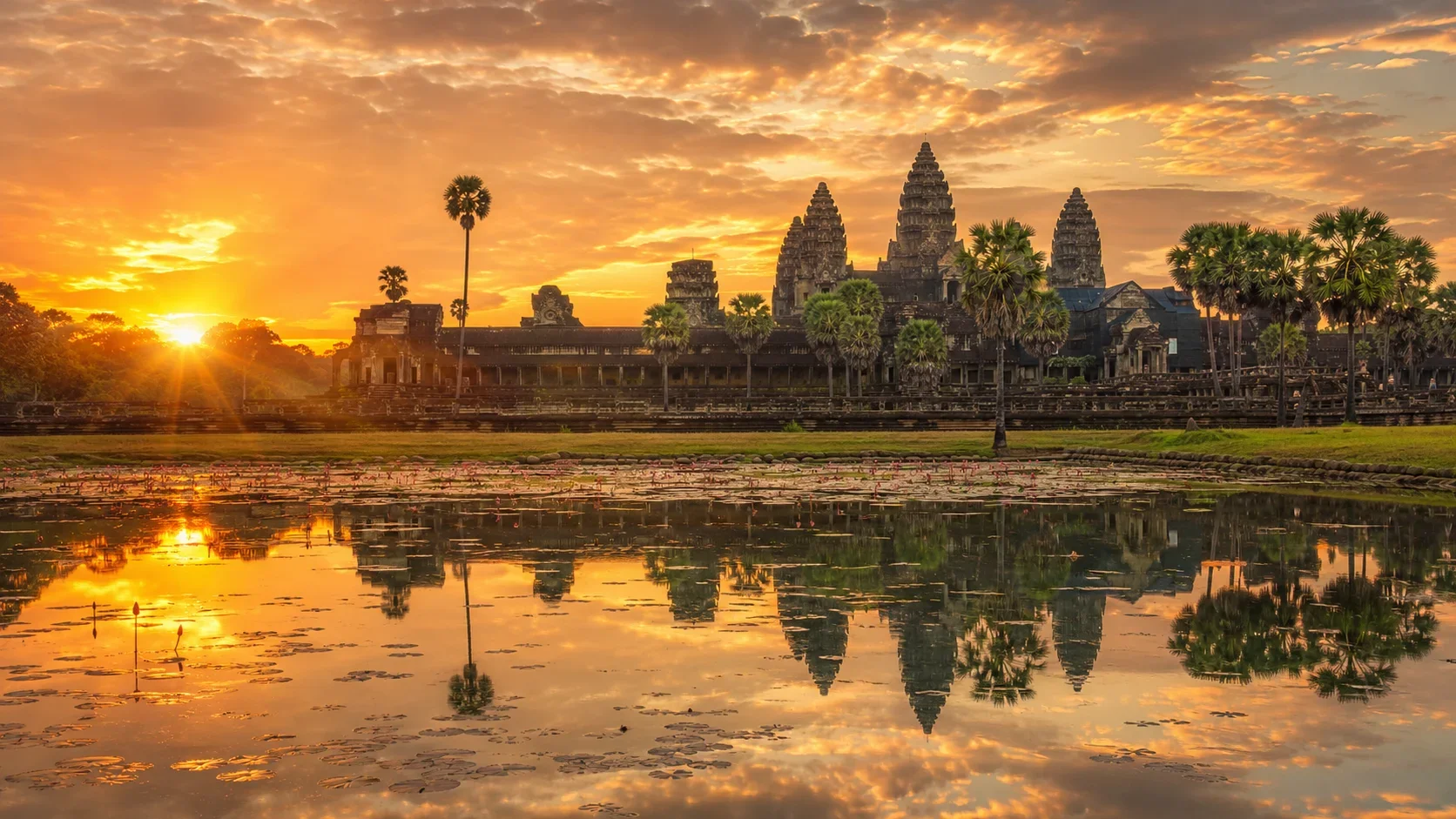
Cambodia rewards travelers who arrive with curiosity and a little practical preparation. The headline sights are extraordinary, but the country is more than Angkor Wat: it is also Phnom Penh’s riverfront, Battambang’s countryside, the pepper farms of Kampot, quiet Mekong towns and warm everyday encounters. These Cambodia travel tips cover the details that make a first journey smoother, from visas and money to temple etiquette, transport and responsible travel.
If you are still deciding where to go, begin with our Cambodia destination guide. You can also compare routes in our Cambodia trip cost guide and explore the 13-day Cambodia historical and relaxing tour.
Before You Travel to Cambodia
1. Check the visa rules for your passport
Visa requirements depend on nationality, entry point and trip purpose. Many visitors can apply online or obtain a tourist visa on arrival, but exceptions apply. Use Cambodia’s official eVisa portal, not an imitation website, and check that your chosen land border accepts an eVisa. Carry a printed or offline copy of the approval and make sure your passport has enough validity and blank pages.
2. Complete the official arrival requirements
Cambodia’s arrival procedures can change, especially as airports adopt digital systems. Review the official immigration instructions shortly before departure and complete any required electronic arrival form within the permitted window. Save confirmation screenshots on your phone because airport Wi-Fi is not guaranteed. Airline staff may also ask for proof of onward travel, accommodation details or a return ticket.
3. Choose your season, not just your dates
November to February usually brings the most comfortable weather, but also higher demand at Angkor and popular hotels. March to May is hotter, so early starts and pool breaks matter. The green season from roughly June to October brings short heavy showers, vivid rice fields and fewer visitors. Rain is heavier near the coast and Cardamom Mountains than on the central plains, so plan by region rather than assuming one forecast represents the whole country.
4. Give Cambodia enough time
A rushed three-day visit can cover Angkor, but it does not show you the country. Seven to ten days allows time for Siem Reap, Phnom Penh and one slower destination such as Battambang or Kampot. With two weeks, add the coast, an island or the northeast. Avoid scheduling a long road transfer immediately after a sunrise temple visit; Cambodia feels best when the itinerary includes space to rest and absorb what you have seen.
Money, Phones and Everyday Practicalities
5. Understand the two-currency system
Cambodian riel is the national currency, while US dollars are also widely used in tourism. Prices may be quoted in either currency and change is often returned in riel. Carry small, clean notes and learn the approximate exchange rate before buying. Torn or heavily marked US-dollar bills may be refused. In markets and local shops, paying in riel can make small purchases simpler and supports everyday use of the local currency.
6. Keep more than one way to pay
Cards and QR payments are common in cities, hotels and better restaurants, but cash remains important in rural areas, markets and small family businesses. Use ATMs attached to banks or located inside secure buildings, and keep a backup card separately. Tell your bank where you are traveling and check foreign withdrawal fees. Never let a card leave your sight in a shop or restaurant.
7. Buy a local SIM or eSIM
Mobile data is inexpensive and useful for maps, translation, ride-hailing and contacting hotels. Buy a SIM from an official counter, where staff can register it correctly, or arrange an eSIM before arrival. Download offline maps for Angkor, islands and rural drives. Keep your hotel’s name, address and phone number saved in both English and Khmer when possible, especially before taking a tuk-tuk late at night.
8. Carry water and protect yourself from the heat
The combination of heat and humidity can make a normal sightseeing day surprisingly tiring. Start early, drink regularly and take a midday break. Use sunscreen, a hat and light breathable clothing. Choose filtered or sealed bottled water and refill responsibly where trusted stations are available. If you develop dizziness, headache or nausea, stop, cool down and rehydrate instead of trying to finish the itinerary.
Temples, Culture and Respect
9. Dress respectfully at sacred sites
At Angkor and active religious sites, cover shoulders and knees. A scarf alone may not always satisfy temple rules, so wear suitable clothing from the start. Remove hats when appropriate and follow signs around shrines. The official Angkor Visitor Code of Conduct also asks guests not to touch carvings, climb restricted structures or behave noisily at sacred monuments.
10. Treat monks and religious rituals with care
Ask before photographing monks or ceremonies. Women should avoid physical contact with monks, while everyone should keep a respectful distance unless invited closer. Sit with feet pointing away from Buddha images and people. A quiet, observant attitude is always safer than copying another visitor. If you are unsure, follow your guide or watch how Cambodian worshippers behave.
11. Learn a few Khmer words
English is widely used in major visitor areas, but a little Khmer creates warmer interactions. Start with “suosdey” for hello and “aw kun” for thank you. Speak clearly, keep requests simple and be patient when communication takes time. Avoid raising your voice; calmness is valued and usually solves problems faster. A translation app helps, but friendly body language often matters just as much.
12. Ask permission before photographing people
Beautiful markets, villages and ceremonies can tempt visitors to photograph first and interact later. Ask before taking close portraits, especially of children, monks and people at work. Do not photograph military facilities or security checkpoints. At memorial sites such as Tuol Sleng and Choeung Ek, keep poses and social-media behavior respectful; these are places of grief, not ordinary attractions.
Getting Around Safely and Comfortably
13. Agree on transport details before leaving
For a street tuk-tuk or private car, confirm the total price, destination, waiting time and whether the fare is per person or per vehicle. Ride-hailing apps can reduce negotiation in Phnom Penh and Siem Reap. For longer transfers, ask what vehicle is provided, how many stops are planned and whether luggage space is adequate. A slightly higher price for a safe, maintained vehicle and rested driver is worthwhile.
14. Allow realistic time between cities
Distances may look short on a map, but traffic, road conditions and rest stops add time. Do not build an itinerary around perfect journey estimates. Choose reputable bus or minivan operators, keep valuables with you and arrive early at the departure point. Private transfers cost more but are useful for families, groups, photographers and travelers who want to stop in the countryside.
15. Be cautious with scooters
Scooters provide freedom, but unfamiliar traffic patterns, limited lighting and variable road surfaces create real risk. Confirm that your licence and insurance cover riding in Cambodia, always wear a proper helmet and never ride after drinking. If you lack experience, hire a tuk-tuk or car with a driver. At Angkor, scooter access is possible, but the official rules and local traffic requirements still apply.
16. Protect valuables without becoming anxious
Cambodia is welcoming, but normal travel precautions matter. Keep phones away from the road side of a tuk-tuk, use a cross-body bag and avoid displaying large amounts of cash. Store your passport in a hotel safe when practical and carry a copy. At night, use well-lit routes and trusted transport. Most trips are trouble-free; simple habits reduce the most common opportunities for theft.
Food, Health and Responsible Travel
17. Eat locally, but choose busy kitchens
Khmer food deserves space in the itinerary. Try fish amok, bai sach chrouk, kuy teav and regional specialties such as Kampot pepper crab. Choose stalls with steady turnover, food cooked to order and clean utensils. Wash or sanitize hands before eating, and be cautious with ice or raw ingredients where hygiene is uncertain. Dietary requirements are easier to communicate with a translated card.
18. Arrange travel insurance and health advice
Buy insurance that covers medical treatment, evacuation, trip disruption and the activities you intend to do. If riding a scooter, check the licence and helmet conditions in the policy. Consult a qualified travel-health professional about routine vaccinations and destination-specific advice before departure. Carry regular medicines in original packaging, bring copies of prescriptions and pack mosquito repellent for both cities and countryside.
19. Support ethical tourism
Avoid orphanage visits and activities that turn vulnerable children into attractions. Do not give sweets or money directly to children around temples; the Angkor guidance notes that this can encourage begging rather than school attendance. Choose community enterprises that explain where money goes, hire licensed local guides and buy from artisans who make their products. Responsible choices should protect dignity, culture and the environment.
20. Leave room for Cambodia beyond Angkor
Angkor is essential, but do not let it become the whole trip. Phnom Penh gives important historical context; Battambang offers countryside and creative energy; Kampot and Kep slow the pace; Koh Rong adds beach time; Kratie and Mondulkiri reveal different landscapes. Even an extra two nights changes the journey. For a grounded introduction to the main gateway, read our Siem Reap travel guide.
A Simple First-Trip Checklist
- Confirm visa and arrival requirements on official websites.
- Save offline copies of bookings, insurance and passport details.
- Pack temple-appropriate clothes, sun protection and mosquito repellent.
- Carry small amounts of both riel and clean US-dollar notes.
- Book the first hotel and airport transfer before arrival.
- Plan early mornings, midday breaks and realistic road-transfer times.
Final Thoughts
The best Cambodia travel tips are less about controlling every detail and more about creating a comfortable framework. Confirm the official requirements, respect sacred places, allow time for the heat and stay flexible when journeys take longer than expected. With those basics handled, you can focus on the reason Cambodia stays with so many travelers: generous people, layered history, remarkable food and landscapes that extend far beyond its most famous temple.
How Much Does a Singapore Trip Cost in 2026?
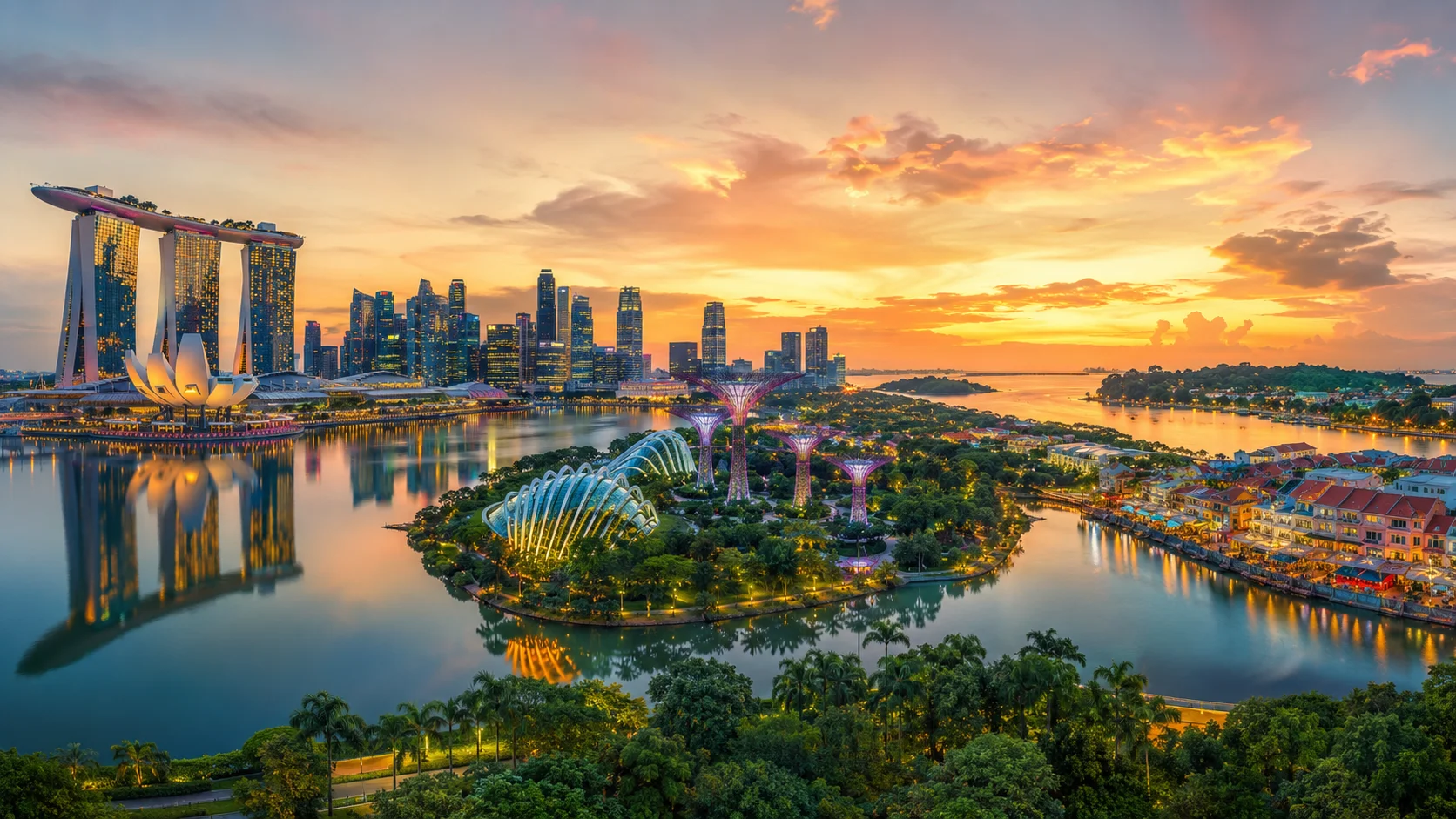
Singapore is one of Southeast Asia’s more expensive destinations, but it does not need to be an uncontrolled splurge. Public transport is efficient, hawker food remains good value, and many of the city’s most memorable neighbourhoods, parks and waterfront walks are free.
So, how much does a Singapore trip cost in 2026? A careful solo traveller can plan around SGD 90–150 per day, a comfortable mid-range traveller around SGD 220–400 per day, and a luxury visitor from SGD 600 per day upward. These ranges exclude international flights and assume one person sharing costs only where stated.
This guide breaks down accommodation, food, transport, attractions and hidden expenses so you can build a realistic budget in Singapore dollars. Prices change by date, demand and booking conditions, so treat every figure as a planning range and check live rates before paying.
Singapore Trip Cost 2026: Quick Budget
| Travel style | Daily cost per person | Five-day trip |
|---|---|---|
| Budget | SGD 90–150 | SGD 450–750 |
| Mid-range | SGD 220–400 | SGD 1,100–2,000 |
| Luxury | SGD 600+ | SGD 3,000+ |
A couple sharing a room usually spends less per person than a solo traveller. Families may save on room sharing but spend more on taxis and ticketed attractions. Add flights, travel insurance and shopping separately.
What Makes Singapore Expensive?
Hotels are the main budget pressure. Land is limited, standards are regulated and demand stays strong during weekends, school holidays and major events. Alcohol, rooftop bars and fine dining are also expensive compared with neighbouring Malaysia or Indonesia.
Daily essentials are easier to control. Hawker centres serve filling local meals at accessible prices. MRT and bus fares are modest, tap water is drinkable, and free attractions include the Botanic Gardens, Marina Bay promenade, heritage districts and large parts of Gardens by the Bay.
The difference between a SGD 120 day and a SGD 400 day is usually the hotel and the number of premium experiences, not basic transport.
Accommodation Costs in Singapore
Hostels and capsule hotels
Dormitory beds commonly fall around SGD 35–75 per night. Modern capsules may cost more on weekends. Look beyond the headline rate for taxes, locker access, towel fees and cancellation restrictions.
Budget private rooms
A simple private room often costs SGD 90–170 per night. Rooms may be compact and windows are not guaranteed. Areas around Lavender, Geylang and Little India can offer better value than Marina Bay, but check the walking distance to an MRT station and recent cleanliness reviews.
Mid-range hotels
Expect roughly SGD 180–350 per room per night for a well-reviewed three- or four-star hotel. Central properties near Bugis, Chinatown or City Hall can save time and transport, which may justify a higher room rate on a short trip.
Luxury hotels
Luxury rooms often begin around SGD 450 and can exceed SGD 1,000 during busy dates. Skyline views, club access, breakfast and flexible cancellation change the final cost substantially.
Book early for Formula 1, year-end holidays and large conventions. Always compare the final price including taxes and service charges. A non-refundable room is only a saving when your plans are firm.
Food Costs: Hawkers to Fine Dining
Food is the easiest category to adjust without sacrificing quality. A hawker dish often costs around SGD 5–10, while kopi, tea or kaya toast may add SGD 2–6. A full day built around hawker centres can stay near SGD 25–45 per person.
Casual cafés and mall restaurants commonly cost SGD 15–35 per person before extras. A mid-range dinner with drinks may reach SGD 45–90. Fine dining, hotel brunches and celebrity restaurants can cost SGD 150–400 or more.
- Budget food day: SGD 25–45.
- Mixed hawker and restaurant day: SGD 60–120.
- Premium dining day: SGD 180 or more.
Chinatown Complex, Tekka Centre, Old Airport Road and Maxwell Food Centre give visitors a broad selection. Share several small dishes rather than buying every famous item in a single meal. Tap water is generally safe, so a refillable bottle reduces both spending and plastic.
Transport Costs
The MRT and public buses are the best-value way to move around Singapore. A normal visitor using pay-as-you-go travel might spend approximately SGD 8–15 per day, depending on distance and frequency. Contactless bank cards can often be tapped at gates, although overseas transaction fees may apply.
Tourist transport passes can be useful for very intensive sightseeing but are not automatically cheaper. Count expected journeys before buying. Remember to tap correctly and keep the same card or device for entry and exit.
Airport travel is affordable by MRT and public bus. A taxi or ride-hailing trip from Changi to central Singapore may cost roughly SGD 25–50 depending on time, demand, surcharges and route. Late-night, peak-hour and airport charges can raise the total.
For most travellers, budget SGD 40–70 for local public transport over five days. Add SGD 60–120 if you expect several taxi trips.
Attraction Prices in 2026
Singapore offers both free landmarks and expensive theme attractions. The Marina Bay promenade, Merlion area, Botanic Gardens and heritage neighbourhoods cost nothing to enter. Gardens by the Bay’s outdoor gardens are largely free, while conservatories and elevated walkways require tickets.
Official Gardens by the Bay pricing varies by residency and package. Current 2026 listings show non-resident adult options such as SGD 46 for the Flower Dome and Cloud Forest combination, and SGD 14 for the OCBC Skyway. Special exhibitions and bundles can cost more. Check the official site for the exact visit date.
Zoo, aquarium, observation decks, museums and Sentosa attractions can quickly create a SGD 80–180 sightseeing day. Choose one major paid attraction daily and surround it with free neighbourhoods or parks.
- Low-cost sightseeing: SGD 0–25 per day.
- Balanced sightseeing: SGD 40–90 per day.
- Attraction-heavy schedule: SGD 120–220 per day.
Nightlife and Alcohol
Alcohol is a common budget surprise. A beer in a casual venue may cost SGD 10–18, while cocktails at central or rooftop bars often cost SGD 20–35 before service charges and taxes. Club cover charges and late-night rides add more.
Set a separate nightlife allowance if bars are important. Happy hours, hawker-centre beer and one carefully chosen rooftop drink deliver the atmosphere for less than a full evening in premium venues.
Sample Five-Day Singapore Budgets
Budget solo trip: about SGD 600
- Hostel: SGD 250.
- Food: SGD 175.
- Transport: SGD 55.
- Attractions: SGD 80.
- Buffer: SGD 40.
This version prioritises hawker meals, free districts and one or two paid attractions. It excludes flights and assumes careful accommodation booking.
Mid-range solo trip: about SGD 1,500
- Hotel: SGD 850.
- Food: SGD 300.
- Transport: SGD 90.
- Attractions: SGD 180.
- Buffer: SGD 80.
A couple sharing the same hotel could reduce the room cost per person, though dining and tickets remain individual expenses.
Comfortable couple’s trip: about SGD 2,400 total
A couple sharing a good mid-range room, mixing hawkers with restaurants, using mostly public transport and booking several major attractions can plan around SGD 2,000–2,800 for five days before flights and shopping.
Cost of a Three-Day Stopover
A short stopover can be surprisingly expensive per day because airport transfers and hotel rates are spread across fewer nights. Budget travellers might spend SGD 300–500 for three days. A comfortable private-room stay may cost SGD 700–1,200.
Stay near an MRT station, use an open-jaw walking route through neighbouring districts and avoid paying for several observation decks that offer similar views.
How to Save Money Without Missing Singapore
- Book accommodation early and compare the final taxed price.
- Stay near the MRT rather than paying only for a famous neighbourhood.
- Eat breakfast and lunch at hawker centres, then choose one special dinner.
- Use tap water and carry a refillable bottle.
- Walk Marina Bay, Chinatown, Kampong Glam and Little India.
- Choose one premium attraction each day.
- Use public transport for Changi unless arriving late with heavy luggage.
- Avoid changing hotels during a short stay.
- Check free museum hours and current attraction bundles.
Explore verified destinations across Southeast Asia and the Asia Wander Tour collection if Singapore is part of a wider regional route.
Costs Travellers Often Forget
Small charges can weaken a good budget. International card fees, mobile data, luggage storage, laundry, airport meals, hotel deposits and travel insurance belong in the plan. Restaurants may add service charges and taxes to menu prices.
Shopping deserves its own allowance. Singapore’s malls and airport retail make impulse spending easy, but it should not be hidden inside the daily food or sightseeing budget.
Keep a contingency fund of at least ten percent. Families or travellers with fixed onward flights may prefer a larger buffer for taxis, medical care or disrupted plans.
Cash, Cards and Exchange Rates
Cards and mobile payments are widely accepted, but small hawker stalls may prefer cash or local payment methods. Carry a modest amount of Singapore dollars rather than relying on a single card.
ATM fees and foreign transaction charges vary by bank. Decline dynamic currency conversion when your own provider offers a better rate. Track spending in SGD first, then convert to your home currency once daily to avoid confusion.
Is Singapore Expensive Compared With Nearby Countries?
Yes, especially for hotels, alcohol and premium attractions. A mid-range Singapore day can cost two or three times a comparable day in parts of Cambodia, Laos or Vietnam. However, Singapore’s reliable transport and inexpensive local food keep the difference manageable.
One smart regional strategy is to spend three or four focused days in Singapore, then continue overland or by air to Malaysia or Indonesia. Do not rush solely to save money; extra transport can erase the benefit.
Frequently Asked Questions
How much money do I need for five days in Singapore?
Plan roughly SGD 450–750 on a tight budget, SGD 1,100–2,000 for a comfortable solo trip, or SGD 3,000 and above for luxury. International flights are separate.
Can I visit Singapore on SGD 100 a day?
Yes, with a hostel, hawker meals, public transport and mostly free attractions. Hotel demand can make this difficult on peak dates.
Is food expensive?
Not necessarily. Hawker meals often remain around SGD 5–10, while restaurants and alcohol raise the average quickly.
Should I carry cash?
Carry some cash for small stalls, but cards are accepted widely. Use a backup payment method and understand your bank’s overseas fees.
What is the biggest Singapore travel expense?
Accommodation is usually the largest cost, followed by premium dining and attraction tickets. Booking the room early has the greatest effect on the total.
When to Book for the Best Value
Start with accommodation because it controls the rest of the budget. For ordinary dates, compare refundable rooms several months ahead and check again before the cancellation deadline. Major events, public holidays and school breaks reward earlier booking. Attraction tickets rarely need the same lead time, but timed entries and special exhibitions can sell out.
Flights should be compared against the total itinerary rather than the cheapest fare alone. A late arrival may require a taxi and an extra hotel night, while a better-timed flight can create a useful sightseeing day. Keep exchange rates, baggage fees and airport transfers in the same comparison.
Build a Realistic Singapore Budget
For most first-time visitors, a practical Singapore trip cost in 2026 is around SGD 220–400 per person per day for comfortable travel. Budget travellers can reduce that substantially through hostels, hawker centres and free districts. Decide where comfort matters, price the hotel first and then assign separate allowances for food, transport and attractions.
How Many Days Do You Need in Cambodia?
Cambodia can work as a focused four-day escape or a relaxed two-week journey, but most first-time visitors need seven to ten days. That is enough time to explore Angkor without rushing, understand Phnom Penh, and add one contrasting destination such as Battambang, Kampot or the southern islands.
The right Cambodia trip length depends on your pace, arrival airport and priorities. A traveller interested mainly in Angkor needs fewer days than someone who wants history, countryside, food and beach time. This guide compares realistic routes from three days to two weeks so you can choose a plan that feels complete rather than crowded.
How Many Days in Cambodia? The Quick Answer
- 3–4 days: Choose one base, normally Siem Reap and Angkor.
- 5–6 days: Combine Siem Reap with Phnom Penh.
- 7–8 days: See the two main cities and add Battambang, Kampot or one slower countryside stop.
- 9–10 days: The best first-trip balance, with time for Angkor, Phnom Penh and a third region.
- 12–14 days: Explore at a comfortable pace and include the coast, islands or northeast.
If Cambodia is one part of a wider Southeast Asia holiday, allow at least five full days on the ground. Shorter visits are possible, but transport and airport time can consume too much of the experience.
Why Seven to Ten Days Works Best
Cambodia looks compact on a map, yet its strongest experiences are spread across distinct regions. Siem Reap is the base for Angkor Archaeological Park. Phnom Penh introduces royal, colonial and modern history. Battambang offers countryside and creative culture, while Kampot, Kep and the islands provide a slower southern finish.
Seven to ten days lets you move between these places without changing hotels every night. It also creates room for weather, traffic and spontaneous discoveries. A good journey includes unplanned time: a long Khmer lunch, a market visit, a quiet temple at sunset or a free afternoon beside the pool.
For most travellers, adding one extra night is more valuable than adding one extra destination. Cambodia rewards depth, especially at Angkor, where the official pass options cover one, three or seven visiting days. The three-day pass is usually the most flexible choice for a first visit because it allows temple days to be separated by rest or town time.
Is Three Days Enough for Cambodia?
Three days is enough only for a tightly focused visit. Fly into Siem Reap, stay in one hotel and devote two full days to Angkor. Use the remaining time for Siem Reap’s markets, restaurants, museums or a countryside experience.
Sample three-day Siem Reap plan
- Day 1: Arrive, settle in and explore central Siem Reap.
- Day 2: Angkor Wat, Angkor Thom, Bayon and Ta Prohm.
- Day 3: Banteay Srei, a quieter temple circuit or local village experience, then depart.
This route works for a stopover, but it is not a complete picture of Cambodia. Avoid attempting both Phnom Penh and Siem Reap in three days unless the trip is unavoidable. The transfer, hotel changes and airport procedures will leave little useful sightseeing time.
Four to Five Days: The Essential Highlights
Four or five days gives you two sensible choices. You can stay entirely in Siem Reap and experience Angkor slowly, or combine two nights in Phnom Penh with two or three nights in Siem Reap.
A two-city route is best when flights arrive in one city and depart from the other. It removes backtracking and makes every travel day more efficient. In Phnom Penh, prioritise the Royal Palace area, the riverfront and a thoughtful introduction to Cambodia’s recent history. In Siem Reap, use at least two temple days rather than compressing every famous site into one exhausting circuit.
Five days suits travellers with limited annual leave, but early starts and full days are likely. Build in one lighter evening and choose a centrally located hotel to reduce local travel.
Six to Seven Days: A Strong First Visit
One week is the minimum we normally recommend for a first Cambodia trip. A classic plan includes three nights in Siem Reap, two nights in Phnom Penh and one or two flexible nights.
Sample seven-day Cambodia itinerary
- Days 1–3: Siem Reap. Explore Angkor over two days, with one day for the town, countryside or Tonlé Sap area.
- Days 4–5: Phnom Penh. Visit major cultural and historical sites and explore the city’s food scene.
- Days 6–7: Battambang or Kampot. Add rural scenery in the northwest or a relaxed riverside stay in the south.
If you dislike frequent packing, skip the third destination and divide the week between Siem Reap and Phnom Penh. Three nights in each city, plus the travel day, creates a calmer and more rewarding itinerary.
Families, older travellers and anyone sensitive to heat should also keep the route simple. Midday breaks are useful year-round and especially important from March to May.
Eight to Ten Days: The Ideal Cambodia Trip Length
Eight to ten days gives Cambodia’s main destinations enough space. You can spend three or four nights in Siem Reap, two or three in Phnom Penh, and two or three in a contrasting third location.
Battambang fits naturally between Siem Reap and Phnom Penh for travellers who enjoy art, architecture and countryside. Kampot and Kep work well after Phnom Penh for food, pepper farms, river views and a quieter pace. Beach lovers can continue to Koh Rong or Koh Rong Samloem, although ferry schedules make at least three coastal nights more practical.
Our 10-day Cambodia itinerary is a useful starting point for first-time visitors. Adjust it around your international flights rather than forcing the same route in both directions.
A balanced ten-day route
- Days 1–4: Siem Reap and Angkor.
- Days 5–6: Battambang or an additional Siem Reap countryside day.
- Days 7–9: Phnom Penh.
- Day 10: Departure or onward travel.
For a more relaxed version, replace Battambang with Kampot and add one extra night. For a beach version, use three nights in Siem Reap, two in Phnom Penh and four on the coast, leaving one travel night as a buffer.
Twelve to Fourteen Days: Cambodia Beyond the Main Circuit
Two weeks allows you to see Cambodia beyond Angkor while preserving rest time. You can combine the main cultural route with the Cardamom Mountains, the northeast, Mekong towns or the islands.
Nature-focused travellers might link Phnom Penh with Kratie and Mondulkiri. This route requires longer road transfers, so two-night stays are important. Those more interested in the coast can combine Kampot, Kep and an island without treating every transfer as a race.
A two-week trip also works well for slow travel. Stay four nights in Siem Reap, three in Phnom Penh, two or three in Battambang or Kampot, and three or four at the beach. This pace supports local businesses and gives you time to see places at different hours rather than checking off landmarks.
How Long Should You Spend in Siem Reap?
Allow three to four nights in Siem Reap. One temple day covers famous highlights, but two days produces a much better experience. A third day can include Banteay Srei, lesser-visited temples, countryside, a cooking class or a Tonlé Sap community visit chosen with care.
Angkor is large, hot and visually dense. A three-day temple pass currently costs US$62 and can be used over a wider validity period, while a one-day pass costs US$37. Check the official Angkor Enterprise website before travel because rules can change. Sunrise is memorable, but it should not force every day to begin before dawn.
Read our Siem Reap travel guide for practical ideas beyond the main temple circuit.
How Long Should You Spend in Phnom Penh?
Allow two to three nights in Phnom Penh. One full day can cover several headline sights, but two full days gives serious historical locations the time and emotional space they deserve.
Balance museums and memorial sites with the Royal Palace area, riverside walks, neighbourhood cafés and Khmer restaurants. Phnom Penh is not merely a transport stop; it helps explain the Cambodia you see elsewhere.
If arriving after a long international flight, count the first night as recovery rather than sightseeing. A late landing followed by an early departure creates a misleadingly short stay.
How Many Days for Battambang, Kampot and the Islands?
Battambang: two nights
Two nights allows one countryside day and time in the old centre. A single night rarely justifies the overland transfer unless Battambang lies directly along your route.
Kampot and Kep: two to three nights
Use Kampot as a relaxed base for river scenery, pepper farms and a day in Kep. Three nights is better if you want a slow day rather than continuous touring.
Koh Rong or Koh Rong Samloem: three to four nights
Island travel involves road and ferry connections, so two nights can feel like one usable day. Stay at least three nights and keep your final mainland connection conservative, especially during wetter months.
Kratie and Mondulkiri: four to five nights combined
The northeast needs time because distances are longer. Do not add it to a seven-day first trip unless it is your main interest.
What Changes the Right Trip Length?
- Flight pattern: Open-jaw flights into Siem Reap and out of Phnom Penh reduce backtracking.
- Season: Rainy-season road or ferry plans benefit from more buffer time.
- Travel pace: Photographers, families and older travellers usually value longer stays.
- Interests: Archaeology, food, wildlife and beaches each need different routes.
- Budget: Moving frequently costs more. See our Cambodia trip cost guide for realistic planning ranges.
Common Itinerary Mistakes
The most common mistake is counting nights instead of useful days. A five-night trip may contain only four complete sightseeing days after arrival and departure. Write down every transfer before deciding how much the itinerary can hold.
Another mistake is treating Angkor as a single attraction. The park contains many temple areas, and travel between them takes time. Heat and visual fatigue make an overfilled day less enjoyable, not more efficient.
Finally, avoid adding a beach island for only one full day. Cambodia’s coast is rewarding when it provides rest; it is frustrating when most of the visit is spent reaching a ferry.
Frequently Asked Questions
Is five days enough for Cambodia?
Yes, if you focus on Siem Reap and Phnom Penh. Use flights that enter one city and leave from the other, and avoid adding a third destination.
Can I see Angkor Wat in one day?
You can see Angkor Wat, Bayon and Ta Prohm in one long day. Two temple days are better for first-time visitors because they allow a slower pace and quieter sites.
How many days do I need for Cambodia and Vietnam?
Allow at least two weeks for a focused combination, with five to seven days in Cambodia and the remainder in one or two regions of Vietnam. Three weeks creates a more comfortable multi-country trip.
Should I visit Phnom Penh or Siem Reap first?
Either order works. Starting in Phnom Penh provides historical context before Angkor, while starting in Siem Reap delivers the biggest landmark first. Flight convenience should guide the choice.
Is two weeks too long in Cambodia?
No. Two weeks is ideal for travellers who want the coast, countryside or northeast in addition to Angkor and Phnom Penh.
Choose Depth Over Distance
For most first-time travellers, the answer to how many days you need in Cambodia is seven to ten. Five days covers the essentials; two weeks opens the door to beaches, smaller cities and rural landscapes. Build the trip around two anchor destinations, add only one region at a time, and leave space for Cambodia’s unhurried rhythm.
For more practical planning, use our complete Cambodia travel guide and browse the country page before choosing your final route.