Malaysia Travel Guide 2026: Everything You Need to Know

Malaysia is one of Southeast Asia’s easiest countries to explore and one of its most varied. A single journey can combine Kuala Lumpur’s modern skyline, George Town’s heritage streets, Malacca’s riverfront, rainforest in Borneo, cool highlands and beaches on two different coasts. This Malaysia travel guide explains the choices that matter in 2026: entry requirements, seasons, routes, transport, costs, food and cultural etiquette.

Start with our Malaysia destination guide for an overview of places and planning ideas. First-time visitors can also explore our guides to Kuala Lumpur, George Town and Malacca.

Malaysia at a Glance

  • Capital: Kuala Lumpur; the federal administrative centre is Putrajaya.
  • Currency: Malaysian ringgit (MYR), usually written as RM.
  • Language: Malay is the national language; English is widely understood in visitor areas.
  • Time zone: GMT+8 throughout the country.
  • Typical first trip: Seven to fourteen days.
  • Best approach: Choose one coast and a manageable number of regions instead of trying to see everything.

Why Visit Malaysia in 2026?

Malaysia suits travelers who want variety without difficult logistics. Airports, intercity roads and urban public transport are well developed, accommodation ranges from simple guesthouses to luxury resorts, and English makes independent travel straightforward. Food is a major reason to come: Malay, Chinese, Indian, Peranakan, Indigenous and regional traditions meet in hawker centres and night markets.

Visit Malaysia 2026 also places extra attention on the country’s culture and destinations. The official Visit Malaysia 2026 information highlights a year of events and national tourism promotion. That can mean more activities and improved visitor services, but popular festival weekends may need earlier hotel and transport bookings.

Malaysia Entry Requirements in 2026

Entry rules depend on nationality, passport type, purpose and length of stay. Check the Malaysian Immigration Department’s entry requirements and its visa-by-country guidance before booking non-refundable travel. Your passport should meet the validity requirements, and immigration may request evidence of onward travel, accommodation and sufficient funds.

Many foreign visitors must submit the Malaysia Digital Arrival Card. The official MDAC registration page states that the trip must be within three days, including the submission date. Use only official government websites, save the confirmation and recheck the exemptions because arrival-card and visa rules are not the same thing.

Best Time to Visit Malaysia

Malaysia is warm and humid throughout the year, so the key question is not “dry or wet?” for the whole country. The better question is which coast and region you plan to visit. Short showers can occur in any month, while monsoon patterns affect beaches, ferries and sea conditions differently.

West coast and central peninsula

Kuala Lumpur, Malacca, Penang and Langkawi are commonly included in west-coast routes. Conditions are generally favorable for much of the year, though rain and thunderstorms remain possible. December to February is popular, while the middle of the year can also work well. In Kuala Lumpur, heat and showers are normal in every season, so plan indoor attractions and food stops around the weather.

East coast islands

The Perhentian Islands, Redang and Tioman are seasonal choices. The northeast monsoon can bring rough seas, heavy rain and reduced boat or resort operations, especially from roughly November into February. The clearer, calmer period is usually from spring through early autumn. Confirm ferry schedules and hotel opening dates instead of relying on a general national forecast.

Sabah and Sarawak

Borneo receives tropical rain year-round, with local patterns changing between coasts, highlands and rainforest areas. Wildlife trips and mountain activities need flexibility even in relatively favorable months. Build spare time around flights and boats, protect electronics from humidity and book specialist experiences with operators who prioritize safety and conservation.

How Many Days Do You Need?

Five days is enough for Kuala Lumpur plus Malacca, but it is a city-focused introduction. Seven to ten days allows Kuala Lumpur, Penang and one additional destination. Two weeks gives enough time for a peninsula route with a beach or highland stay, or for Kuala Lumpur combined with Sabah or Sarawak. Crossing between Peninsular Malaysia and Borneo usually requires a flight, so treat them as separate regions rather than one continuous road trip.

Where to Go on a First Malaysia Trip

Kuala Lumpur

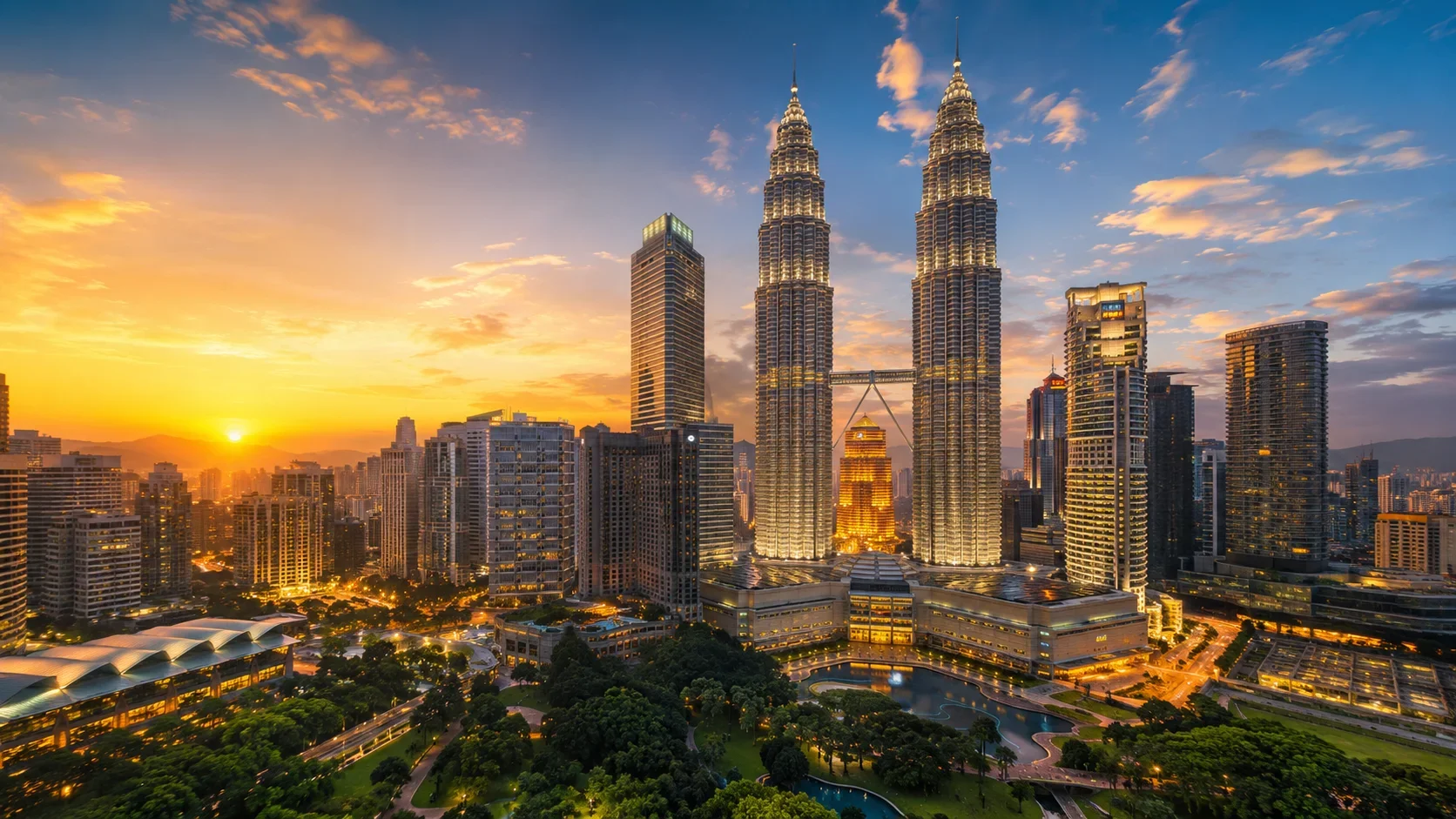
Kuala Lumpur is the main international gateway and deserves at least two full days. The Petronas Twin Towers and city skyline are obvious highlights, but the strongest experience comes from the city’s mix: Malay neighbourhoods, Chinese temples, Indian food, contemporary malls and accessible museums. Use rail for central districts and ride-hailing when stations are inconvenient.

George Town and Penang

George Town combines historic architecture, street art, clan houses and one of Asia’s most rewarding food cultures. Stay at least two nights, preferably three, so meals do not become a rushed checklist. Beyond the old centre, explore markets, neighbourhood temples, Penang Hill or the island’s quieter northern and western areas.

Malacca

Malacca works as a day trip from Kuala Lumpur, but an overnight stay is better. The city reveals layers of Malay sultanate, Portuguese, Dutch, British, Chinese and Peranakan history. Evening along the river and an early morning walk before day visitors arrive give a more relaxed view of the heritage centre.

Langkawi or the east coast islands

Choose islands according to season and travel style. Langkawi is accessible, developed and easy to combine with Penang. The Perhentians and Redang offer clearer-water island experiences during their operating season but require more attention to ferries and weather. Tioman can work well for travelers approaching from Singapore or southern Malaysia.

Sabah or Sarawak

Choose Borneo when wildlife, rainforest or Indigenous culture is central to the trip. Sabah offers Kota Kinabalu, Mount Kinabalu, islands and wildlife routes farther east. Sarawak combines Kuching, national parks, caves and cultural experiences. Distances are larger than they appear, and many nature activities are best arranged with experienced local operators.

A Practical 10-Day Malaysia Route

  1. Days 1–3: Kuala Lumpur. Recover from the flight, explore central neighbourhoods, visit key landmarks and build meals around different food traditions.
  2. Day 4: Malacca. Travel south for heritage streets, museums and the riverfront; stay overnight.
  3. Days 5–7: George Town. Fly or travel north, then allow time for heritage, street food and a wider Penang excursion.
  4. Days 8–10: Langkawi. Finish with beaches, mangroves and a slower pace before flying onward.

If you prefer nature to beaches, replace Langkawi with the Cameron Highlands or use the final days to begin a separate Sabah or Sarawak extension. Avoid adding both Borneo and several peninsula stops to a ten-day trip; too many flights reduce the time available for actual experiences.

Getting Around Malaysia

Domestic flights connect the peninsula with Sabah, Sarawak and major islands. Intercity trains and buses work well on common peninsula routes, while private cars are useful for families, small groups and places with limited public transport. Kuala Lumpur has rail, buses, taxis and ride-hailing; George Town and Malacca are better explored by combining walking with short rides.

Book holiday-period transport early, especially around major religious festivals and school breaks. The official Tourism Malaysia travel guide provides useful country basics, including currency, electricity, communications, health and local customs. Always confirm exact timetables with the operator close to travel.

Malaysia Travel Costs

Malaysia offers good value, but the final budget depends heavily on islands, flights and hotel standard. A budget traveler using simple accommodation and local food might spend around RM150–250 per day before major tours. A comfortable mid-range trip can fall around RM350–650 per person per day, while resorts, private touring and Borneo nature packages can raise costs significantly.

Food courts and hawker centres keep meal costs reasonable. Urban public transport is affordable, but multiple domestic flights and airport transfers add up. Build the budget by region, then add a contingency for weather changes, festival prices and baggage fees on low-cost airlines. Carry some cash for markets and small businesses even though cards and mobile payments are common in cities.

What to Eat in Malaysia

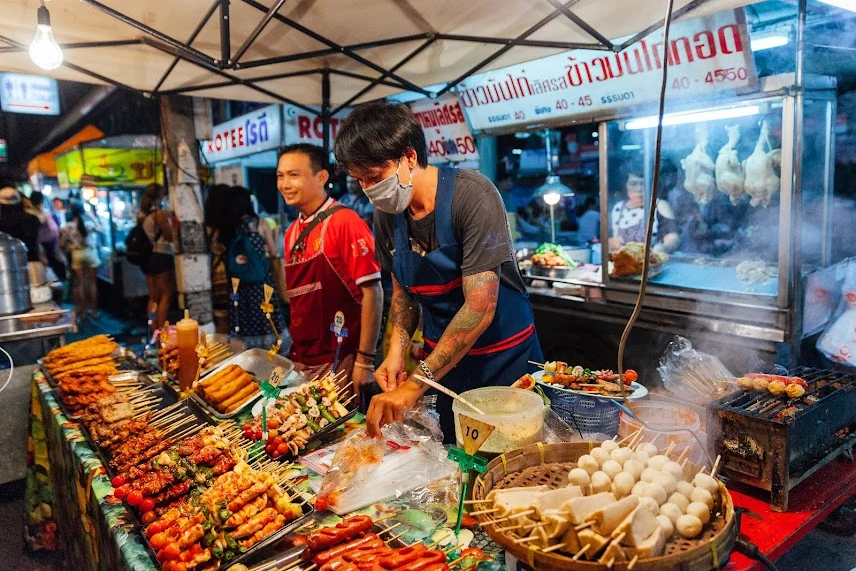
Do not reduce Malaysian food to one national dish. Try nasi lemak, roti canai, satay, laksa, char kway teow, nasi kandar, banana-leaf rice and regional noodle soups. Penang is famous for hawker food, Kuala Lumpur offers enormous variety, Malacca is associated with Peranakan traditions, and Borneo has distinct Indigenous and coastal cuisines.

Busy stalls usually offer high turnover and a clearer view of preparation. Ask about ingredients if you have allergies or dietary restrictions; pork, shellfish, peanuts and shrimp paste appear in dishes where they may not be obvious. During Ramadan, many Muslim-owned businesses change daytime hours, while evening bazaars create excellent opportunities to try local food.

Culture and Etiquette

  • Dress modestly at mosques, temples and conservative communities; robes may be provided at some religious sites.
  • Remove shoes before entering homes and many places of worship.
  • Use the right hand when giving or receiving items when practical.
  • Ask permission before photographing people, ceremonies or worship.
  • Malaysia is multicultural. Avoid assuming that one custom, language or food tradition represents everyone.
  • Alcohol is available in many visitor areas, but use discretion in Muslim-majority settings.

Health, Safety and Connectivity

Malaysia is generally straightforward for visitors, but routine precautions still apply. Buy insurance that covers medical treatment, trip changes and planned activities. Protect yourself from heat and mosquitoes, use safe drinking water, and seek professional pre-travel health advice. In cities, guard phones and bags in crowded places and use registered transport or trusted apps.

Local SIM cards and eSIMs are widely available, and Wi-Fi is common in hotels and cafes. Download offline maps for islands, parks and road trips. Electricity is 240V with a British-style three-pin plug. Save hotel addresses and essential documents offline, particularly if you will cross between the peninsula, Sabah and Sarawak.

Final Planning Advice

The best first Malaysia trip is selective rather than crowded. Choose a route that matches the season, allow at least two or three nights in major stops and treat Borneo as a substantial extension. Verify immigration and transport details on official sites, then leave room for the experiences Malaysia does best: spontaneous meals, layered neighbourhoods and easy conversations across a remarkably diverse country.
Cambodia for First-Time Visitors: 20 Essential Travel Tips

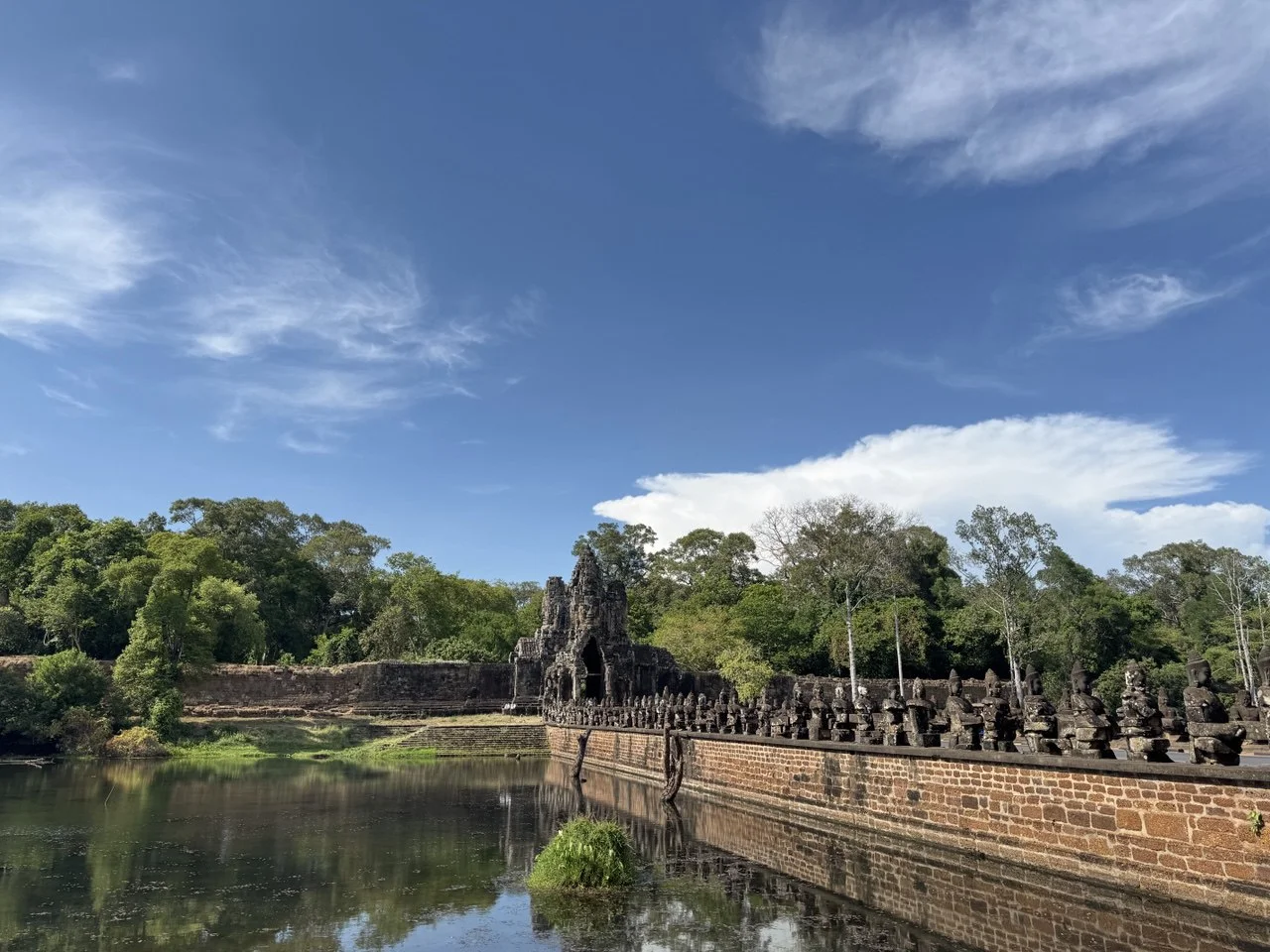
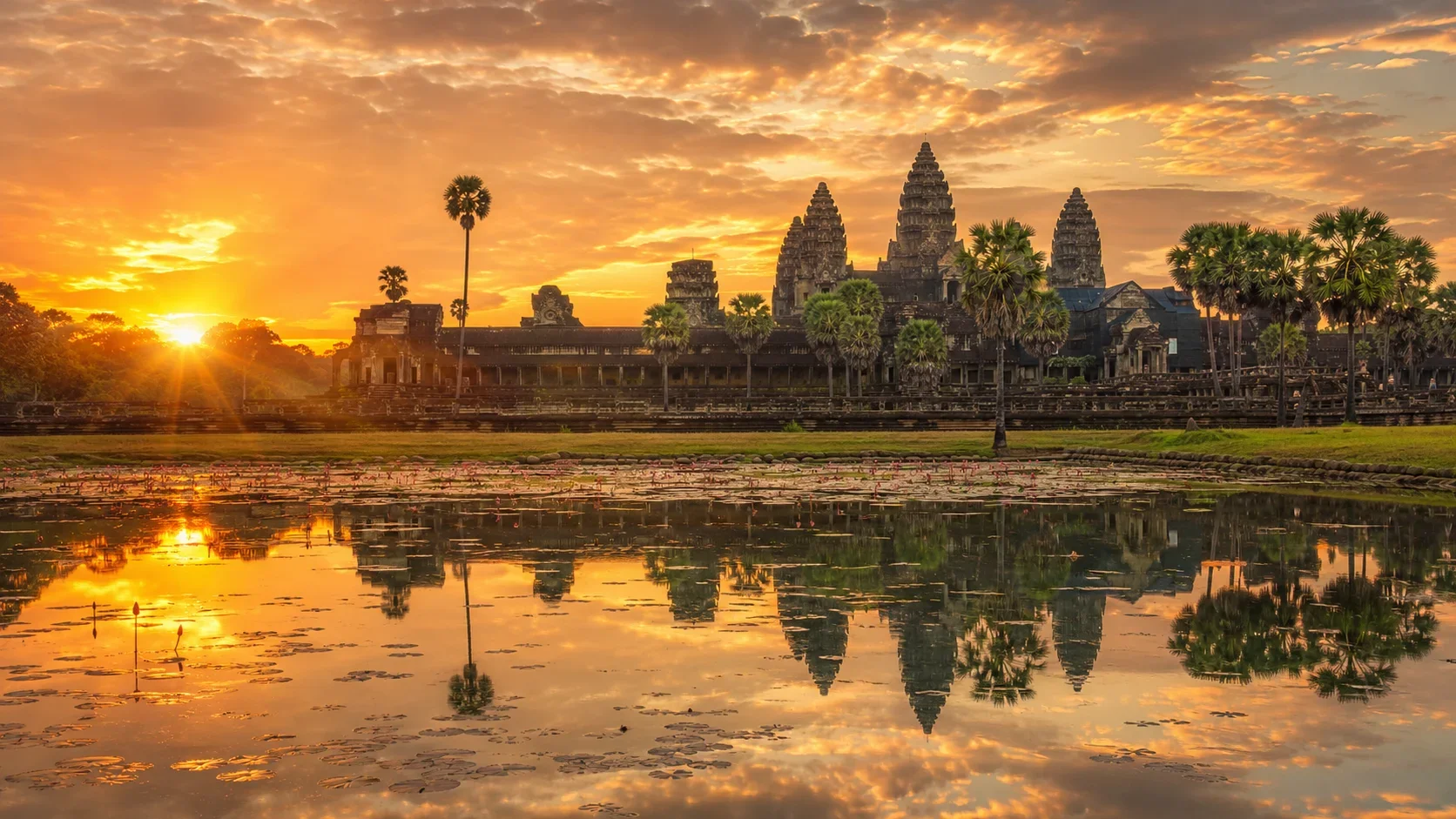
Cambodia rewards travelers who arrive with curiosity and a little practical preparation. The headline sights are extraordinary, but the country is more than Angkor Wat: it is also Phnom Penh’s riverfront, Battambang’s countryside, the pepper farms of Kampot, quiet Mekong towns and warm everyday encounters. These Cambodia travel tips cover the details that make a first journey smoother, from visas and money to temple etiquette, transport and responsible travel.

If you are still deciding where to go, begin with our Cambodia destination guide. You can also compare routes in our Cambodia trip cost guide and explore the 13-day Cambodia historical and relaxing tour.

Before You Travel to Cambodia

1. Check the visa rules for your passport

Visa requirements depend on nationality, entry point and trip purpose. Many visitors can apply online or obtain a tourist visa on arrival, but exceptions apply. Use Cambodia’s official eVisa portal, not an imitation website, and check that your chosen land border accepts an eVisa. Carry a printed or offline copy of the approval and make sure your passport has enough validity and blank pages.

2. Complete the official arrival requirements

Cambodia’s arrival procedures can change, especially as airports adopt digital systems. Review the official immigration instructions shortly before departure and complete any required electronic arrival form within the permitted window. Save confirmation screenshots on your phone because airport Wi-Fi is not guaranteed. Airline staff may also ask for proof of onward travel, accommodation details or a return ticket.

3. Choose your season, not just your dates

November to February usually brings the most comfortable weather, but also higher demand at Angkor and popular hotels. March to May is hotter, so early starts and pool breaks matter. The green season from roughly June to October brings short heavy showers, vivid rice fields and fewer visitors. Rain is heavier near the coast and Cardamom Mountains than on the central plains, so plan by region rather than assuming one forecast represents the whole country.

4. Give Cambodia enough time

A rushed three-day visit can cover Angkor, but it does not show you the country. Seven to ten days allows time for Siem Reap, Phnom Penh and one slower destination such as Battambang or Kampot. With two weeks, add the coast, an island or the northeast. Avoid scheduling a long road transfer immediately after a sunrise temple visit; Cambodia feels best when the itinerary includes space to rest and absorb what you have seen.

Money, Phones and Everyday Practicalities

5. Understand the two-currency system

Cambodian riel is the national currency, while US dollars are also widely used in tourism. Prices may be quoted in either currency and change is often returned in riel. Carry small, clean notes and learn the approximate exchange rate before buying. Torn or heavily marked US-dollar bills may be refused. In markets and local shops, paying in riel can make small purchases simpler and supports everyday use of the local currency.

6. Keep more than one way to pay

Cards and QR payments are common in cities, hotels and better restaurants, but cash remains important in rural areas, markets and small family businesses. Use ATMs attached to banks or located inside secure buildings, and keep a backup card separately. Tell your bank where you are traveling and check foreign withdrawal fees. Never let a card leave your sight in a shop or restaurant.

7. Buy a local SIM or eSIM

Mobile data is inexpensive and useful for maps, translation, ride-hailing and contacting hotels. Buy a SIM from an official counter, where staff can register it correctly, or arrange an eSIM before arrival. Download offline maps for Angkor, islands and rural drives. Keep your hotel’s name, address and phone number saved in both English and Khmer when possible, especially before taking a tuk-tuk late at night.

8. Carry water and protect yourself from the heat

The combination of heat and humidity can make a normal sightseeing day surprisingly tiring. Start early, drink regularly and take a midday break. Use sunscreen, a hat and light breathable clothing. Choose filtered or sealed bottled water and refill responsibly where trusted stations are available. If you develop dizziness, headache or nausea, stop, cool down and rehydrate instead of trying to finish the itinerary.

Temples, Culture and Respect

9. Dress respectfully at sacred sites

At Angkor and active religious sites, cover shoulders and knees. A scarf alone may not always satisfy temple rules, so wear suitable clothing from the start. Remove hats when appropriate and follow signs around shrines. The official Angkor Visitor Code of Conduct also asks guests not to touch carvings, climb restricted structures or behave noisily at sacred monuments.

10. Treat monks and religious rituals with care

Ask before photographing monks or ceremonies. Women should avoid physical contact with monks, while everyone should keep a respectful distance unless invited closer. Sit with feet pointing away from Buddha images and people. A quiet, observant attitude is always safer than copying another visitor. If you are unsure, follow your guide or watch how Cambodian worshippers behave.

11. Learn a few Khmer words

English is widely used in major visitor areas, but a little Khmer creates warmer interactions. Start with “suosdey” for hello and “aw kun” for thank you. Speak clearly, keep requests simple and be patient when communication takes time. Avoid raising your voice; calmness is valued and usually solves problems faster. A translation app helps, but friendly body language often matters just as much.

12. Ask permission before photographing people

Beautiful markets, villages and ceremonies can tempt visitors to photograph first and interact later. Ask before taking close portraits, especially of children, monks and people at work. Do not photograph military facilities or security checkpoints. At memorial sites such as Tuol Sleng and Choeung Ek, keep poses and social-media behavior respectful; these are places of grief, not ordinary attractions.

Getting Around Safely and Comfortably

13. Agree on transport details before leaving

For a street tuk-tuk or private car, confirm the total price, destination, waiting time and whether the fare is per person or per vehicle. Ride-hailing apps can reduce negotiation in Phnom Penh and Siem Reap. For longer transfers, ask what vehicle is provided, how many stops are planned and whether luggage space is adequate. A slightly higher price for a safe, maintained vehicle and rested driver is worthwhile.

14. Allow realistic time between cities

Distances may look short on a map, but traffic, road conditions and rest stops add time. Do not build an itinerary around perfect journey estimates. Choose reputable bus or minivan operators, keep valuables with you and arrive early at the departure point. Private transfers cost more but are useful for families, groups, photographers and travelers who want to stop in the countryside.

15. Be cautious with scooters

Scooters provide freedom, but unfamiliar traffic patterns, limited lighting and variable road surfaces create real risk. Confirm that your licence and insurance cover riding in Cambodia, always wear a proper helmet and never ride after drinking. If you lack experience, hire a tuk-tuk or car with a driver. At Angkor, scooter access is possible, but the official rules and local traffic requirements still apply.

16. Protect valuables without becoming anxious

Cambodia is welcoming, but normal travel precautions matter. Keep phones away from the road side of a tuk-tuk, use a cross-body bag and avoid displaying large amounts of cash. Store your passport in a hotel safe when practical and carry a copy. At night, use well-lit routes and trusted transport. Most trips are trouble-free; simple habits reduce the most common opportunities for theft.

Food, Health and Responsible Travel

17. Eat locally, but choose busy kitchens

Khmer food deserves space in the itinerary. Try fish amok, bai sach chrouk, kuy teav and regional specialties such as Kampot pepper crab. Choose stalls with steady turnover, food cooked to order and clean utensils. Wash or sanitize hands before eating, and be cautious with ice or raw ingredients where hygiene is uncertain. Dietary requirements are easier to communicate with a translated card.

18. Arrange travel insurance and health advice

Buy insurance that covers medical treatment, evacuation, trip disruption and the activities you intend to do. If riding a scooter, check the licence and helmet conditions in the policy. Consult a qualified travel-health professional about routine vaccinations and destination-specific advice before departure. Carry regular medicines in original packaging, bring copies of prescriptions and pack mosquito repellent for both cities and countryside.

19. Support ethical tourism

Avoid orphanage visits and activities that turn vulnerable children into attractions. Do not give sweets or money directly to children around temples; the Angkor guidance notes that this can encourage begging rather than school attendance. Choose community enterprises that explain where money goes, hire licensed local guides and buy from artisans who make their products. Responsible choices should protect dignity, culture and the environment.

20. Leave room for Cambodia beyond Angkor

Angkor is essential, but do not let it become the whole trip. Phnom Penh gives important historical context; Battambang offers countryside and creative energy; Kampot and Kep slow the pace; Koh Rong adds beach time; Kratie and Mondulkiri reveal different landscapes. Even an extra two nights changes the journey. For a grounded introduction to the main gateway, read our Siem Reap travel guide.

A Simple First-Trip Checklist

  • Confirm visa and arrival requirements on official websites.
  • Save offline copies of bookings, insurance and passport details.
  • Pack temple-appropriate clothes, sun protection and mosquito repellent.
  • Carry small amounts of both riel and clean US-dollar notes.
  • Book the first hotel and airport transfer before arrival.
  • Plan early mornings, midday breaks and realistic road-transfer times.

Final Thoughts

The best Cambodia travel tips are less about controlling every detail and more about creating a comfortable framework. Confirm the official requirements, respect sacred places, allow time for the heat and stay flexible when journeys take longer than expected. With those basics handled, you can focus on the reason Cambodia stays with so many travelers: generous people, layered history, remarkable food and landscapes that extend far beyond its most famous temple.

How Much Does a Singapore Trip Cost in 2026?

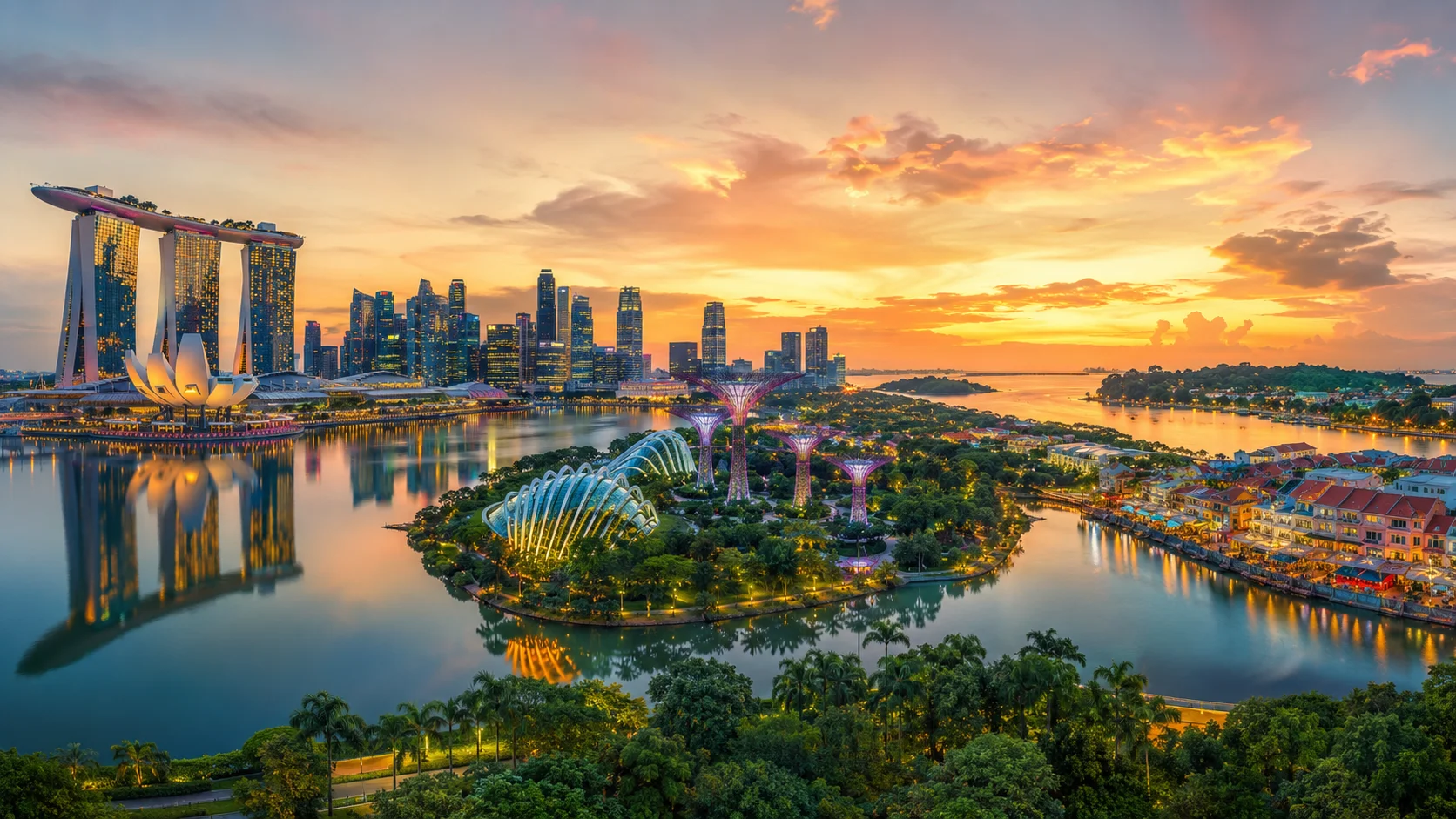
Singapore is one of Southeast Asia’s more expensive destinations, but it does not need to be an uncontrolled splurge. Public transport is efficient, hawker food remains good value, and many of the city’s most memorable neighbourhoods, parks and waterfront walks are free.

So, how much does a Singapore trip cost in 2026? A careful solo traveller can plan around SGD 90–150 per day, a comfortable mid-range traveller around SGD 220–400 per day, and a luxury visitor from SGD 600 per day upward. These ranges exclude international flights and assume one person sharing costs only where stated.

This guide breaks down accommodation, food, transport, attractions and hidden expenses so you can build a realistic budget in Singapore dollars. Prices change by date, demand and booking conditions, so treat every figure as a planning range and check live rates before paying.

Singapore Trip Cost 2026: Quick Budget

Travel style Daily cost per person Five-day trip
Budget SGD 90–150 SGD 450–750
Mid-range SGD 220–400 SGD 1,100–2,000
Luxury SGD 600+ SGD 3,000+

A couple sharing a room usually spends less per person than a solo traveller. Families may save on room sharing but spend more on taxis and ticketed attractions. Add flights, travel insurance and shopping separately.

What Makes Singapore Expensive?

Hotels are the main budget pressure. Land is limited, standards are regulated and demand stays strong during weekends, school holidays and major events. Alcohol, rooftop bars and fine dining are also expensive compared with neighbouring Malaysia or Indonesia.

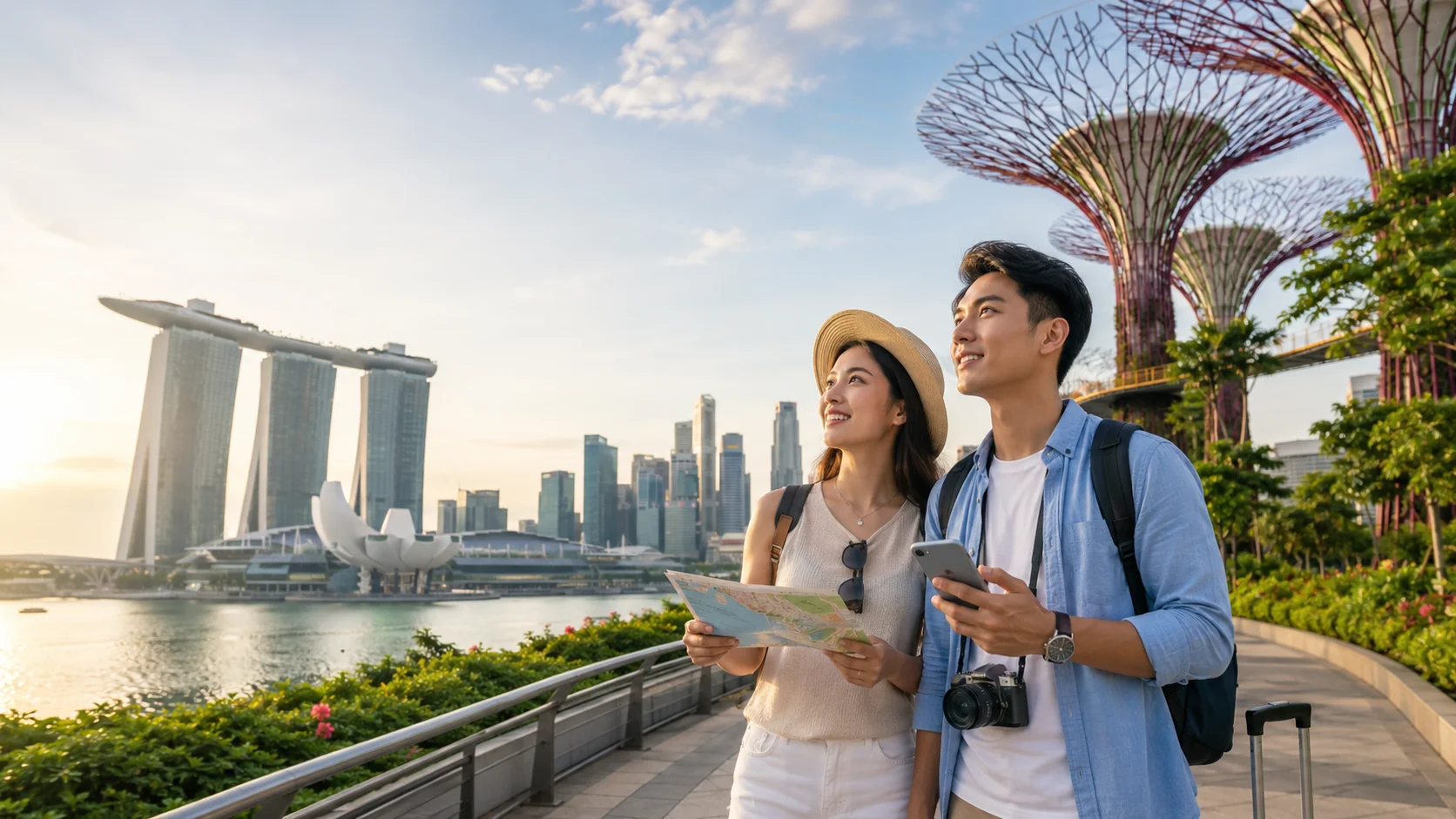
Daily essentials are easier to control. Hawker centres serve filling local meals at accessible prices. MRT and bus fares are modest, tap water is drinkable, and free attractions include the Botanic Gardens, Marina Bay promenade, heritage districts and large parts of Gardens by the Bay.

The difference between a SGD 120 day and a SGD 400 day is usually the hotel and the number of premium experiences, not basic transport.

Accommodation Costs in Singapore

Hostels and capsule hotels

Dormitory beds commonly fall around SGD 35–75 per night. Modern capsules may cost more on weekends. Look beyond the headline rate for taxes, locker access, towel fees and cancellation restrictions.

Budget private rooms

A simple private room often costs SGD 90–170 per night. Rooms may be compact and windows are not guaranteed. Areas around Lavender, Geylang and Little India can offer better value than Marina Bay, but check the walking distance to an MRT station and recent cleanliness reviews.

Mid-range hotels

Expect roughly SGD 180–350 per room per night for a well-reviewed three- or four-star hotel. Central properties near Bugis, Chinatown or City Hall can save time and transport, which may justify a higher room rate on a short trip.

Luxury hotels

Luxury rooms often begin around SGD 450 and can exceed SGD 1,000 during busy dates. Skyline views, club access, breakfast and flexible cancellation change the final cost substantially.

Book early for Formula 1, year-end holidays and large conventions. Always compare the final price including taxes and service charges. A non-refundable room is only a saving when your plans are firm.

Food Costs: Hawkers to Fine Dining

Food is the easiest category to adjust without sacrificing quality. A hawker dish often costs around SGD 5–10, while kopi, tea or kaya toast may add SGD 2–6. A full day built around hawker centres can stay near SGD 25–45 per person.

Casual cafés and mall restaurants commonly cost SGD 15–35 per person before extras. A mid-range dinner with drinks may reach SGD 45–90. Fine dining, hotel brunches and celebrity restaurants can cost SGD 150–400 or more.

  • Budget food day: SGD 25–45.
  • Mixed hawker and restaurant day: SGD 60–120.
  • Premium dining day: SGD 180 or more.

Chinatown Complex, Tekka Centre, Old Airport Road and Maxwell Food Centre give visitors a broad selection. Share several small dishes rather than buying every famous item in a single meal. Tap water is generally safe, so a refillable bottle reduces both spending and plastic.

Transport Costs

The MRT and public buses are the best-value way to move around Singapore. A normal visitor using pay-as-you-go travel might spend approximately SGD 8–15 per day, depending on distance and frequency. Contactless bank cards can often be tapped at gates, although overseas transaction fees may apply.

Tourist transport passes can be useful for very intensive sightseeing but are not automatically cheaper. Count expected journeys before buying. Remember to tap correctly and keep the same card or device for entry and exit.

Airport travel is affordable by MRT and public bus. A taxi or ride-hailing trip from Changi to central Singapore may cost roughly SGD 25–50 depending on time, demand, surcharges and route. Late-night, peak-hour and airport charges can raise the total.

For most travellers, budget SGD 40–70 for local public transport over five days. Add SGD 60–120 if you expect several taxi trips.

Attraction Prices in 2026

Singapore offers both free landmarks and expensive theme attractions. The Marina Bay promenade, Merlion area, Botanic Gardens and heritage neighbourhoods cost nothing to enter. Gardens by the Bay’s outdoor gardens are largely free, while conservatories and elevated walkways require tickets.

Official Gardens by the Bay pricing varies by residency and package. Current 2026 listings show non-resident adult options such as SGD 46 for the Flower Dome and Cloud Forest combination, and SGD 14 for the OCBC Skyway. Special exhibitions and bundles can cost more. Check the official site for the exact visit date.

Zoo, aquarium, observation decks, museums and Sentosa attractions can quickly create a SGD 80–180 sightseeing day. Choose one major paid attraction daily and surround it with free neighbourhoods or parks.

  • Low-cost sightseeing: SGD 0–25 per day.
  • Balanced sightseeing: SGD 40–90 per day.
  • Attraction-heavy schedule: SGD 120–220 per day.

Nightlife and Alcohol

Alcohol is a common budget surprise. A beer in a casual venue may cost SGD 10–18, while cocktails at central or rooftop bars often cost SGD 20–35 before service charges and taxes. Club cover charges and late-night rides add more.

Set a separate nightlife allowance if bars are important. Happy hours, hawker-centre beer and one carefully chosen rooftop drink deliver the atmosphere for less than a full evening in premium venues.

Sample Five-Day Singapore Budgets

Budget solo trip: about SGD 600

  • Hostel: SGD 250.
  • Food: SGD 175.
  • Transport: SGD 55.
  • Attractions: SGD 80.
  • Buffer: SGD 40.

This version prioritises hawker meals, free districts and one or two paid attractions. It excludes flights and assumes careful accommodation booking.

Mid-range solo trip: about SGD 1,500

  • Hotel: SGD 850.
  • Food: SGD 300.
  • Transport: SGD 90.
  • Attractions: SGD 180.
  • Buffer: SGD 80.

A couple sharing the same hotel could reduce the room cost per person, though dining and tickets remain individual expenses.

Comfortable couple’s trip: about SGD 2,400 total

A couple sharing a good mid-range room, mixing hawkers with restaurants, using mostly public transport and booking several major attractions can plan around SGD 2,000–2,800 for five days before flights and shopping.

Cost of a Three-Day Stopover

A short stopover can be surprisingly expensive per day because airport transfers and hotel rates are spread across fewer nights. Budget travellers might spend SGD 300–500 for three days. A comfortable private-room stay may cost SGD 700–1,200.

Stay near an MRT station, use an open-jaw walking route through neighbouring districts and avoid paying for several observation decks that offer similar views.

How to Save Money Without Missing Singapore

  • Book accommodation early and compare the final taxed price.
  • Stay near the MRT rather than paying only for a famous neighbourhood.
  • Eat breakfast and lunch at hawker centres, then choose one special dinner.
  • Use tap water and carry a refillable bottle.
  • Walk Marina Bay, Chinatown, Kampong Glam and Little India.
  • Choose one premium attraction each day.
  • Use public transport for Changi unless arriving late with heavy luggage.
  • Avoid changing hotels during a short stay.
  • Check free museum hours and current attraction bundles.

Explore verified destinations across Southeast Asia and the Asia Wander Tour collection if Singapore is part of a wider regional route.

Costs Travellers Often Forget

Small charges can weaken a good budget. International card fees, mobile data, luggage storage, laundry, airport meals, hotel deposits and travel insurance belong in the plan. Restaurants may add service charges and taxes to menu prices.

Shopping deserves its own allowance. Singapore’s malls and airport retail make impulse spending easy, but it should not be hidden inside the daily food or sightseeing budget.

Keep a contingency fund of at least ten percent. Families or travellers with fixed onward flights may prefer a larger buffer for taxis, medical care or disrupted plans.

Cash, Cards and Exchange Rates

Cards and mobile payments are widely accepted, but small hawker stalls may prefer cash or local payment methods. Carry a modest amount of Singapore dollars rather than relying on a single card.

ATM fees and foreign transaction charges vary by bank. Decline dynamic currency conversion when your own provider offers a better rate. Track spending in SGD first, then convert to your home currency once daily to avoid confusion.

Is Singapore Expensive Compared With Nearby Countries?

Yes, especially for hotels, alcohol and premium attractions. A mid-range Singapore day can cost two or three times a comparable day in parts of Cambodia, Laos or Vietnam. However, Singapore’s reliable transport and inexpensive local food keep the difference manageable.

One smart regional strategy is to spend three or four focused days in Singapore, then continue overland or by air to Malaysia or Indonesia. Do not rush solely to save money; extra transport can erase the benefit.

Frequently Asked Questions

How much money do I need for five days in Singapore?

Plan roughly SGD 450–750 on a tight budget, SGD 1,100–2,000 for a comfortable solo trip, or SGD 3,000 and above for luxury. International flights are separate.

Can I visit Singapore on SGD 100 a day?

Yes, with a hostel, hawker meals, public transport and mostly free attractions. Hotel demand can make this difficult on peak dates.

Is food expensive?

Not necessarily. Hawker meals often remain around SGD 5–10, while restaurants and alcohol raise the average quickly.

Should I carry cash?

Carry some cash for small stalls, but cards are accepted widely. Use a backup payment method and understand your bank’s overseas fees.

What is the biggest Singapore travel expense?

Accommodation is usually the largest cost, followed by premium dining and attraction tickets. Booking the room early has the greatest effect on the total.

When to Book for the Best Value

Start with accommodation because it controls the rest of the budget. For ordinary dates, compare refundable rooms several months ahead and check again before the cancellation deadline. Major events, public holidays and school breaks reward earlier booking. Attraction tickets rarely need the same lead time, but timed entries and special exhibitions can sell out.

Flights should be compared against the total itinerary rather than the cheapest fare alone. A late arrival may require a taxi and an extra hotel night, while a better-timed flight can create a useful sightseeing day. Keep exchange rates, baggage fees and airport transfers in the same comparison.

Build a Realistic Singapore Budget

For most first-time visitors, a practical Singapore trip cost in 2026 is around SGD 220–400 per person per day for comfortable travel. Budget travellers can reduce that substantially through hostels, hawker centres and free districts. Decide where comfort matters, price the hotel first and then assign separate allowances for food, transport and attractions.

How Many Days Do You Need in Cambodia?

Cambodia can work as a focused four-day escape or a relaxed two-week journey, but most first-time visitors need seven to ten days. That is enough time to explore Angkor without rushing, understand Phnom Penh, and add one contrasting destination such as Battambang, Kampot or the southern islands.

The right Cambodia trip length depends on your pace, arrival airport and priorities. A traveller interested mainly in Angkor needs fewer days than someone who wants history, countryside, food and beach time. This guide compares realistic routes from three days to two weeks so you can choose a plan that feels complete rather than crowded.

How Many Days in Cambodia? The Quick Answer

  • 3–4 days: Choose one base, normally Siem Reap and Angkor.
  • 5–6 days: Combine Siem Reap with Phnom Penh.
  • 7–8 days: See the two main cities and add Battambang, Kampot or one slower countryside stop.
  • 9–10 days: The best first-trip balance, with time for Angkor, Phnom Penh and a third region.
  • 12–14 days: Explore at a comfortable pace and include the coast, islands or northeast.

If Cambodia is one part of a wider Southeast Asia holiday, allow at least five full days on the ground. Shorter visits are possible, but transport and airport time can consume too much of the experience.

Why Seven to Ten Days Works Best

Cambodia looks compact on a map, yet its strongest experiences are spread across distinct regions. Siem Reap is the base for Angkor Archaeological Park. Phnom Penh introduces royal, colonial and modern history. Battambang offers countryside and creative culture, while Kampot, Kep and the islands provide a slower southern finish.

Seven to ten days lets you move between these places without changing hotels every night. It also creates room for weather, traffic and spontaneous discoveries. A good journey includes unplanned time: a long Khmer lunch, a market visit, a quiet temple at sunset or a free afternoon beside the pool.

For most travellers, adding one extra night is more valuable than adding one extra destination. Cambodia rewards depth, especially at Angkor, where the official pass options cover one, three or seven visiting days. The three-day pass is usually the most flexible choice for a first visit because it allows temple days to be separated by rest or town time.

Is Three Days Enough for Cambodia?

Three days is enough only for a tightly focused visit. Fly into Siem Reap, stay in one hotel and devote two full days to Angkor. Use the remaining time for Siem Reap’s markets, restaurants, museums or a countryside experience.

Sample three-day Siem Reap plan

  • Day 1: Arrive, settle in and explore central Siem Reap.
  • Day 2: Angkor Wat, Angkor Thom, Bayon and Ta Prohm.
  • Day 3: Banteay Srei, a quieter temple circuit or local village experience, then depart.

This route works for a stopover, but it is not a complete picture of Cambodia. Avoid attempting both Phnom Penh and Siem Reap in three days unless the trip is unavoidable. The transfer, hotel changes and airport procedures will leave little useful sightseeing time.

Four to Five Days: The Essential Highlights

Four or five days gives you two sensible choices. You can stay entirely in Siem Reap and experience Angkor slowly, or combine two nights in Phnom Penh with two or three nights in Siem Reap.

A two-city route is best when flights arrive in one city and depart from the other. It removes backtracking and makes every travel day more efficient. In Phnom Penh, prioritise the Royal Palace area, the riverfront and a thoughtful introduction to Cambodia’s recent history. In Siem Reap, use at least two temple days rather than compressing every famous site into one exhausting circuit.

Five days suits travellers with limited annual leave, but early starts and full days are likely. Build in one lighter evening and choose a centrally located hotel to reduce local travel.

Six to Seven Days: A Strong First Visit

One week is the minimum we normally recommend for a first Cambodia trip. A classic plan includes three nights in Siem Reap, two nights in Phnom Penh and one or two flexible nights.

Sample seven-day Cambodia itinerary

  • Days 1–3: Siem Reap. Explore Angkor over two days, with one day for the town, countryside or Tonlé Sap area.
  • Days 4–5: Phnom Penh. Visit major cultural and historical sites and explore the city’s food scene.
  • Days 6–7: Battambang or Kampot. Add rural scenery in the northwest or a relaxed riverside stay in the south.

If you dislike frequent packing, skip the third destination and divide the week between Siem Reap and Phnom Penh. Three nights in each city, plus the travel day, creates a calmer and more rewarding itinerary.

Families, older travellers and anyone sensitive to heat should also keep the route simple. Midday breaks are useful year-round and especially important from March to May.

Eight to Ten Days: The Ideal Cambodia Trip Length

Eight to ten days gives Cambodia’s main destinations enough space. You can spend three or four nights in Siem Reap, two or three in Phnom Penh, and two or three in a contrasting third location.

Battambang fits naturally between Siem Reap and Phnom Penh for travellers who enjoy art, architecture and countryside. Kampot and Kep work well after Phnom Penh for food, pepper farms, river views and a quieter pace. Beach lovers can continue to Koh Rong or Koh Rong Samloem, although ferry schedules make at least three coastal nights more practical.

Our 10-day Cambodia itinerary is a useful starting point for first-time visitors. Adjust it around your international flights rather than forcing the same route in both directions.

A balanced ten-day route

  • Days 1–4: Siem Reap and Angkor.
  • Days 5–6: Battambang or an additional Siem Reap countryside day.
  • Days 7–9: Phnom Penh.
  • Day 10: Departure or onward travel.

For a more relaxed version, replace Battambang with Kampot and add one extra night. For a beach version, use three nights in Siem Reap, two in Phnom Penh and four on the coast, leaving one travel night as a buffer.

Twelve to Fourteen Days: Cambodia Beyond the Main Circuit

Two weeks allows you to see Cambodia beyond Angkor while preserving rest time. You can combine the main cultural route with the Cardamom Mountains, the northeast, Mekong towns or the islands.

Nature-focused travellers might link Phnom Penh with Kratie and Mondulkiri. This route requires longer road transfers, so two-night stays are important. Those more interested in the coast can combine Kampot, Kep and an island without treating every transfer as a race.

A two-week trip also works well for slow travel. Stay four nights in Siem Reap, three in Phnom Penh, two or three in Battambang or Kampot, and three or four at the beach. This pace supports local businesses and gives you time to see places at different hours rather than checking off landmarks.

How Long Should You Spend in Siem Reap?

Allow three to four nights in Siem Reap. One temple day covers famous highlights, but two days produces a much better experience. A third day can include Banteay Srei, lesser-visited temples, countryside, a cooking class or a Tonlé Sap community visit chosen with care.

Angkor is large, hot and visually dense. A three-day temple pass currently costs US$62 and can be used over a wider validity period, while a one-day pass costs US$37. Check the official Angkor Enterprise website before travel because rules can change. Sunrise is memorable, but it should not force every day to begin before dawn.

Read our Siem Reap travel guide for practical ideas beyond the main temple circuit.

How Long Should You Spend in Phnom Penh?

Allow two to three nights in Phnom Penh. One full day can cover several headline sights, but two full days gives serious historical locations the time and emotional space they deserve.

Balance museums and memorial sites with the Royal Palace area, riverside walks, neighbourhood cafés and Khmer restaurants. Phnom Penh is not merely a transport stop; it helps explain the Cambodia you see elsewhere.

If arriving after a long international flight, count the first night as recovery rather than sightseeing. A late landing followed by an early departure creates a misleadingly short stay.

How Many Days for Battambang, Kampot and the Islands?

Battambang: two nights

Two nights allows one countryside day and time in the old centre. A single night rarely justifies the overland transfer unless Battambang lies directly along your route.

Kampot and Kep: two to three nights

Use Kampot as a relaxed base for river scenery, pepper farms and a day in Kep. Three nights is better if you want a slow day rather than continuous touring.

Koh Rong or Koh Rong Samloem: three to four nights

Island travel involves road and ferry connections, so two nights can feel like one usable day. Stay at least three nights and keep your final mainland connection conservative, especially during wetter months.

Kratie and Mondulkiri: four to five nights combined

The northeast needs time because distances are longer. Do not add it to a seven-day first trip unless it is your main interest.

What Changes the Right Trip Length?

  • Flight pattern: Open-jaw flights into Siem Reap and out of Phnom Penh reduce backtracking.
  • Season: Rainy-season road or ferry plans benefit from more buffer time.
  • Travel pace: Photographers, families and older travellers usually value longer stays.
  • Interests: Archaeology, food, wildlife and beaches each need different routes.
  • Budget: Moving frequently costs more. See our Cambodia trip cost guide for realistic planning ranges.

Common Itinerary Mistakes

The most common mistake is counting nights instead of useful days. A five-night trip may contain only four complete sightseeing days after arrival and departure. Write down every transfer before deciding how much the itinerary can hold.

Another mistake is treating Angkor as a single attraction. The park contains many temple areas, and travel between them takes time. Heat and visual fatigue make an overfilled day less enjoyable, not more efficient.

Finally, avoid adding a beach island for only one full day. Cambodia’s coast is rewarding when it provides rest; it is frustrating when most of the visit is spent reaching a ferry.

Frequently Asked Questions

Is five days enough for Cambodia?

Yes, if you focus on Siem Reap and Phnom Penh. Use flights that enter one city and leave from the other, and avoid adding a third destination.

Can I see Angkor Wat in one day?

You can see Angkor Wat, Bayon and Ta Prohm in one long day. Two temple days are better for first-time visitors because they allow a slower pace and quieter sites.

How many days do I need for Cambodia and Vietnam?

Allow at least two weeks for a focused combination, with five to seven days in Cambodia and the remainder in one or two regions of Vietnam. Three weeks creates a more comfortable multi-country trip.

Should I visit Phnom Penh or Siem Reap first?

Either order works. Starting in Phnom Penh provides historical context before Angkor, while starting in Siem Reap delivers the biggest landmark first. Flight convenience should guide the choice.

Is two weeks too long in Cambodia?

No. Two weeks is ideal for travellers who want the coast, countryside or northeast in addition to Angkor and Phnom Penh.

Choose Depth Over Distance

For most first-time travellers, the answer to how many days you need in Cambodia is seven to ten. Five days covers the essentials; two weeks opens the door to beaches, smaller cities and rural landscapes. Build the trip around two anchor destinations, add only one region at a time, and leave space for Cambodia’s unhurried rhythm.

For more practical planning, use our complete Cambodia travel guide and browse the country page before choosing your final route.

How Much Does a Trip to Thailand Cost in 2026?

Thailand can still suit almost every travel budget in 2026, but the total depends less on a single national average than on where you go, when you travel and how much comfort you want. A local meal in Chiang Mai may cost a fraction of dinner at a Phuket beach club, while an overnight train can replace both a flight and a hotel night.

This practical Thailand trip cost guide breaks down accommodation, food, transport, attractions and realistic daily budgets. Prices are planning ranges in Thai baht (THB) and US dollars, excluding international flights. Exchange rates move, so use the baht figures when building your final budget.

Thailand Trip Cost in 2026: The Quick Answer

For most travellers, a comfortable independent trip costs about THB 2,500–5,000 per person per day, or roughly US$70–140. That usually covers a well-reviewed mid-range hotel shared by two people, local and casual restaurant meals, a mix of public transport and ride-hailing, plus one paid activity.

  • Backpacker: THB 1,200–2,000 (about US$34–57) per person per day
  • Value-conscious couple: THB 2,000–3,500 (about US$57–100) per person per day
  • Comfortable mid-range: THB 3,500–6,000 (about US$100–170) per person per day
  • Luxury: THB 8,000–20,000+ (about US$225–570+) per person per day

These ranges assume two people share a room. Solo travellers normally spend more per person because they carry the full accommodation cost, while families may save through connecting rooms, apartment stays and private transfers.

A Realistic Two-Week Thailand Budget

For a 14-day first trip combining Bangkok, Chiang Mai and one southern beach destination, allow approximately:

  • Backpacker: THB 20,000–32,000 (US$570–915) per person
  • Mid-range: THB 45,000–75,000 (US$1,285–2,145) per person
  • Comfortable private trip: THB 75,000–120,000 (US$2,145–3,430) per person
  • Luxury: THB 140,000+ (US$4,000+) per person

Add international airfare separately. Domestic flights, island transfers and premium excursions can also move the total quickly, so keep a contingency of at least 10 percent.

Accommodation Costs in Thailand

Accommodation creates the largest difference between budget levels. Bangkok and Chiang Mai offer strong value across many neighbourhoods, while Phuket, Koh Samui and smaller islands can become expensive during the dry-season peak.

  • Hostel dorm: THB 300–700 per bed
  • Simple private guesthouse: THB 700–1,500 per room
  • Comfortable three-star hotel: THB 1,500–3,000 per room
  • Four-star or boutique hotel: THB 3,000–6,500 per room
  • Luxury resort: THB 7,000–20,000+ per room

December through February is usually the most expensive period in popular destinations. Christmas, New Year, Lunar New Year and major festivals create additional spikes. The northern green season and southern shoulder months can offer better hotel value, but weather patterns differ between the Andaman and Gulf coasts.

How Much Does Food Cost?

Thailand remains excellent value for food when you mix markets, neighbourhood restaurants and occasional special meals. Street food is not automatically better or safer than a restaurant, so choose busy stalls with high turnover and freshly cooked dishes.

  • Street-food dish or local rice meal: THB 50–100
  • Casual Thai restaurant meal: THB 100–250
  • Café breakfast or Western lunch: THB 180–400
  • Mid-range dinner: THB 400–900 per person
  • Fine dining or premium rooftop venue: THB 1,500–4,000+ per person

Alcohol can exceed the food bill at nightlife venues. Imported wine and spirits carry higher prices, while water, fruit shakes and local coffee are inexpensive. Hotel breakfasts are convenient, but travellers on a tighter budget can often eat well nearby for much less.

Local and Long-Distance Transport

Getting around cities

Bangkok’s BTS and MRT are usually the fastest choices during busy hours. Public buses and canal boats are cheaper but require more confidence. Metered taxis start at THB 40 under the official fare schedule; insist on the meter and use licensed services. Ride-hailing provides upfront estimates but may add demand-based pricing.

  • BTS or MRT journey: commonly THB 17–62 depending on distance and line
  • Short metered taxi ride: roughly THB 70–180 before tolls and heavy traffic
  • Local songthaew or shared transport: often THB 20–60
  • Tuk-tuk: negotiated; tourist-area rides may cost THB 100–300 or more

Travelling between regions

Thailand’s rail and bus networks make overland travel practical. The State Railway of Thailand lists a 2026 Bangkok–Chiang Mai daytime express fare of THB 558, while sleepers cost more according to class and berth. Domestic flights are often competitive when booked early, but checked baggage, airport transfers and peak dates can double the headline fare.

  • Long-distance bus: about THB 300–1,000 depending on route and class
  • Intercity train: about THB 100–1,800 depending on distance, train and berth
  • Domestic flight: commonly THB 1,200–4,000 one way with baggage
  • Island ferry or speedboat: about THB 300–1,500 each way
  • Private intercity car: often THB 2,500–7,000 per vehicle

Compare the full journey rather than only the ticket. An overnight sleeper can save accommodation, while a cheap early flight may require a taxi before public transport begins.

Attractions, Tours and Experiences

Temples and museums can be inexpensive, but national parks, ethical wildlife experiences, diving and private tours add substantially to a Thailand trip cost.

  • Small temple or museum: free to THB 300
  • Major Bangkok attraction: roughly THB 200–500
  • National park entry: often THB 200–500 for foreign adults, plus local transport
  • Group cooking class: THB 900–1,600
  • Island day trip: THB 1,200–3,500
  • Private guide and vehicle: THB 3,500–8,000+ per group per day

Check exactly what is included. A low advertised tour price may exclude national-park fees, pier transfers, equipment or lunch. For organised routes across the country, compare options on our Thailand and Southeast Asia tours page.

How Costs Change by Destination

Bangkok

Bangkok can be affordable because public transport and local food are abundant. The budget rises with riverside hotels, rooftop bars, shopping and frequent taxis. Staying near a BTS or MRT station saves both time and money.

Chiang Mai and northern Thailand

Chiang Mai generally offers lower accommodation and meal prices than the major islands. Mountain excursions and private drivers are the main extras. During smoky-season conditions, plans may need to change, so flexible bookings are valuable.

Phuket, Krabi and the Andaman coast

Beachfront accommodation, airport taxis and boat tours make Phuket one of the country’s more expensive destinations. Krabi town and inland areas are usually cheaper than resort beaches. Prices rise from December to March.

Koh Samui and Gulf islands

Island logistics raise the cost of goods, taxis and transfers. Accommodation varies widely, but the most desirable beach areas command premiums. Seasonal patterns differ from Phuket, so compare both weather and prices before choosing a coast.

Ways to Save Without Spoiling the Trip

  • Travel slowly. Fewer domestic flights and transfers reduce costs and make the trip less tiring.
  • Choose the right coast. Shoulder-season savings are useful only when the local weather still suits your plans.
  • Stay near public transport. A slightly higher room rate may save money on daily taxis.
  • Book trains and popular hotels early. The best-value rooms and sleeper berths sell first.
  • Eat a local lunch. Enjoy markets and neighbourhood restaurants, then reserve the budget for one memorable dinner.
  • Carry a fee-free card and some cash. ATM and foreign-exchange fees accumulate across a long trip.
  • Avoid false economies. The cheapest wildlife or boat tour may compromise safety, welfare or insurance.

Hidden Costs to Include

Allow for travel insurance, visa fees where applicable, laundry, mobile data, tips, baggage, airport transfers and bank charges. Couples should also budget for room deposits, while families may need child seats or larger vehicles. Keep emergency funds separate from daily spending.

A sensible contingency is 10–15 percent of the planned ground budget. Increase it for island-heavy routes, last-minute travel or holiday dates.

Sample Daily Budgets

Backpacker day in Bangkok: about THB 1,500

A hostel bed may cost THB 450, three local meals and drinks around THB 350, public transport THB 150, one admission THB 300 and small extras THB 250. This budget works when you avoid nightlife spending, use trains and buses, and choose free neighbourhood walks alongside paid sights.

Comfortable day in Chiang Mai: about THB 3,800

For one person sharing a room, allow THB 1,200 for the accommodation share, THB 800 for meals and coffee, THB 400 for local transport, THB 1,000 for a class or guided activity and THB 400 for extras. A day without a paid excursion will cost much less, balancing a more expensive countryside outing.

Mid-range island day: about THB 5,500

A shared resort room might contribute THB 2,000 per person, with THB 1,000 for meals, THB 500 for taxis or local transfers, THB 1,500 for a boat activity and THB 500 for drinks and incidentals. On a rest day at the beach, the total may fall below THB 4,000.

Budgeting for Different Travellers

Solo travellers should compare private rooms with social hostels and small group tours. Sharing an airport transfer or excursion can create meaningful savings. Couples benefit most from splitting rooms and private transport, while families should request total prices that include beds, breakfast policies and child admission rules. A family room may cost less than two standard rooms, but availability is limited in boutique properties.

Older travellers and anyone with limited mobility may want a larger transport allowance. The cheapest stations and piers are not always step-free, and a private car can turn a difficult transfer into a comfortable travel day. Digital nomads should budget beyond monthly rent for electricity, coworking access, visa arrangements and travel insurance rather than comparing only apartment listings.

When to Book and When to Pay Locally

Reserve international flights, high-season hotels, sleeper trains and limited-capacity experiences early. Flexible city hotels, local restaurants and simple transfers can often be arranged closer to arrival. Pay deposits only through recognised businesses and keep written confirmation of inclusions, cancellation terms and pickup details.

For a multi-stop trip, build the budget in order: fixed international costs, accommodation, major internal transport, must-do experiences, daily spending and contingency. This prevents one expensive island leg from quietly consuming money intended for the rest of the holiday.

Frequently Asked Questions

Is Thailand still cheap in 2026?

Thailand is still good value, especially for local food, public transport and northern accommodation. Beach resorts, premium nightlife and short-notice domestic travel can be expensive, so the country is affordable rather than uniformly cheap.

How much cash should I carry each day?

THB 1,000–2,000 in smaller notes is practical for meals, local transport and minor admissions, with cards used at established hotels and businesses. Carry less in crowded areas and store reserve cash securely.

Is Thailand cheaper for couples?

Usually yes on a per-person basis because couples share hotel rooms, taxis and private guides. Food and attraction tickets remain individual costs.

What is the biggest Thailand budget mistake?

Moving too quickly is a common mistake. Repeated flights, ferries, transfers and one-night stays cost more and reduce useful holiday time. Three well-chosen regions are normally enough for a two-week first visit.

Plan a Budget That Matches Your Travel Style

A realistic Thailand trip cost in 2026 ranges from around THB 1,200 a day for a careful backpacker to THB 6,000 for a comfortable independent traveller, with luxury budgets extending much higher. Start with accommodation and regional transport, add the experiences you value most, then protect the plan with a contingency. Thailand rewards thoughtful spending: you do not need to choose the cheapest option to receive excellent value.

Best Time to Visit Cambodia: Weather by Region and Month

Choosing the best time to visit Cambodia depends on where you plan to go and what you want from the journey. The country’s tropical monsoon climate creates three useful travel windows: a cooler dry season, a hotter dry season and a lush rainy season. Angkor’s temples, Phnom Penh, the southern islands and the northeastern highlands do not all experience those seasons in quite the same way.

This guide explains Cambodia’s weather month by month and region by region, with practical advice for temple touring, beach time, wildlife, road trips and travel during the green season. For broader planning help, see our complete Cambodia travel guide.

Best Time to Visit Cambodia: The Quick Answer

For most first-time visitors, November to February is the easiest period. Rain is limited, humidity is more manageable and daytime conditions suit long hours at Angkor, city walks and overland travel. December and January usually offer the most comfortable all-round weather, but they are also popular months, so book well ahead.

March and April are generally dry but very hot. May to October is the southwest monsoon, often called the wet or green season. Rain usually arrives in intense showers rather than continuing all day, although the coast and the Cardamom Mountains can receive prolonged downpours. Travellers who accept flexible plans are rewarded with vivid landscapes, fuller waterways and fewer visitors at many sights.

  • Best overall weather: November to February
  • Best for the southern coast and islands: December to March
  • Best for green scenery and lighter crowds: June to August and October
  • Hottest period: March to May, especially April
  • Wettest national period: August and September, with strong regional variation

Understanding Cambodia’s Seasons

Cooler dry season: November to February

Northeast monsoon winds bring Cambodia’s driest and comparatively coolest conditions. Mornings can feel pleasantly fresh, especially in rural areas and the highlands, while afternoons remain warm. This is the most reliable season for a classic itinerary combining Siem Reap, Phnom Penh and the coast. The trade-off is stronger demand for flights, hotels and guides around Christmas, New Year and Lunar New Year.

Hot dry season: March to early May

Temperatures rise steadily through March and commonly reach the high 30s Celsius in April. Temple courtyards and city streets feel hottest from late morning to mid-afternoon. Travel is still practical if you begin early, rest during peak heat, drink frequently and choose accommodation with good cooling. Cambodia’s Khmer New Year falls in mid-April, bringing lively celebrations as well as domestic travel demand and some business closures.

Wet or green season: May to October

The southwest monsoon supplies most of Cambodia’s annual rainfall. Showers often build in the afternoon or evening, cooling the air after a humid day. September is commonly among the wettest months on the central plains, while the southwest coast and mountain slopes receive heavier and more persistent rain. Roads in remote areas may become muddy, but the rice fields turn luminous green and Angkor’s moats and reservoirs fill.

Cambodia Weather by Region

Siem Reap, Angkor and the northwest

Siem Reap follows the central lowland pattern: mostly dry from November through April and rainy from May through October. November to February is ideal for cycling and long temple days. March and April bring harsh midday heat, so plan sunrise visits, shaded ruins and a hotel break after lunch.

The green season can be beautiful at Angkor. Moss deepens on stone, forest vegetation flourishes and reflections return to temple pools. June and July often provide a workable balance between greenery and manageable rain. In September and October, showers are heavier and some rural roads can flood, but the landscape is at its most dramatic.

Phnom Penh, Battambang and the central plains

The capital and surrounding lowlands are hot throughout the year. December and January usually bring the most comfortable combination of lower humidity and limited rain. By April, reflected heat from paved streets can make daytime sightseeing tiring. During the wet season, thunderstorms may briefly overwhelm city drainage, and low-lying routes can hold standing water.

Battambang and rural plains follow a similar rhythm. The countryside is dusty and golden late in the dry season, then changes quickly after the first dependable rains. Travelling in October or November can pair green fields with improving road conditions.

Kampot, Kep, Sihanoukville and the islands

Cambodia’s southern coast receives much more monsoon rain than the central plains. December to March is the most dependable window for calm seas, island transfers and beach days. April can still be attractive, although it is very hot and humidity rises before the monsoon.

From June through September, heavy rain, wind and rough water can disrupt boats to Koh Rong and other islands. Ferries still operate, but schedules may change for safety. Some small resorts reduce services in the quietest months. If the coast is central to your trip, build in a spare day and confirm transport shortly before departure.

Mondulkiri and Ratanakiri

The northeastern highlands are elevated and can feel cooler at night than Phnom Penh or Siem Reap, particularly from November to February. This dry window is best for forest walks, village visits and unsealed roads. March and April become hot and dusty, though evenings may remain more comfortable than on the plains.

Rain from May to October revives forests and waterfalls, but access can be difficult. Later in the wet season, red-earth roads may be slippery or impassable after storms. Choose an experienced local operator, allow extra travel time and avoid crossing fast-moving water.

Cardamom Mountains and Koh Kong

The southwest-facing Cardamom Mountains are among Cambodia’s wettest areas. For trekking and wildlife-focused stays, November to March usually offers the safest and most comfortable conditions. June to September can bring sustained rain, swollen rivers, leeches and difficult trails. Green-season visits are possible with specialist guides, but itineraries need more flexibility than elsewhere.

Cambodia Weather Month by Month

January: cool, dry and popular

January is one of Cambodia’s best all-round months. Skies are often clear, humidity is relatively low and mornings suit Angkor exploration. The coast is usually calm. Reserve popular hotels and guides early, particularly around New Year.

February: dry with rising heat

February remains dry across most of the country, with warmer afternoons than January. It is excellent for a multi-region journey and still dependable for island time. Begin outdoor activities early as the month progresses.

March: sunny and increasingly hot

Rain is limited, but heat becomes the main planning factor. Schedule temples before 10 a.m. and after 3 p.m., use sun protection and carry water. Sea conditions are generally favourable, making the south coast a sensible place to slow down.

April: the hottest month

April is typically intensely hot, often with afternoon temperatures in the high 30s Celsius. Khmer New Year adds joyful water play and celebrations in mid-month. Confirm transport and hotel availability, and expect some locally owned businesses to close for family holidays.

May: a changeable transition

May brings building humidity and the first regular monsoon storms. Rain is still variable, so a week may include brilliant sun and sudden evening downpours. Visitor numbers fall and the countryside starts to turn green.

June: green landscapes and workable showers

June is a good-value green-season choice for Angkor and the central plains. Showers are frequent but often brief enough to plan around. Coastal rain is heavier, so keep beach expectations flexible.

July: wetter, especially in the southwest

Humidity is high and rain becomes more established. Temples and rice fields photograph beautifully between storms. The coast, Cardamoms and remote dirt roads require extra caution, while city and main-road travel remains generally straightforward.

August: lush scenery and frequent rain

August is wet nationwide and particularly rainy in southwestern Cambodia. It can still suit cultural travellers who prefer fewer crowds and do not mind carrying a light rain jacket. Allow time for transport delays and protect electronics.

September: peak monsoon conditions

September is commonly among the wettest months. Flooding may affect rural areas, and storms can complicate island plans. It is also a rewarding time for full waterways, saturated green landscapes and quieter monuments. Keep the itinerary simple and avoid tight connections.

October: rain eases and water levels stay high

Rain gradually decreases, although early October can remain very wet. Tonle Sap and the Mekong system are generally full, supporting boat journeys and flooded-forest scenery where local conditions permit. Late October often offers an appealing shoulder-season balance.

November: dry season returns

November is one of the strongest months for an extended trip. Rainfall drops, temperatures become more comfortable and the countryside remains green. Water levels are still useful for many Tonle Sap excursions, while trekking conditions improve.

December: reliable weather across Cambodia

December brings dry, pleasantly warm conditions to most regions. It is excellent for temples, cities, highlands and beaches in one itinerary. Demand rises sharply over the festive period, so plan early and expect premium rates at popular resorts.

When to Visit for Different Travel Goals

  • Angkor temples: November to February for comfort; June or July for greenery and lighter crowds.
  • Southern beaches and islands: December to March for the best chance of calm, clear conditions.
  • Tonle Sap: September to November for higher water and broader boat access, subject to local conditions.
  • Highland trekking: November to February for cooler air and firmer trails.
  • Lower prices: May to October, excluding major festivals; compare likely savings in our Cambodia trip cost guide.
  • Photography: November to February for clearer skies, or the green season for saturated landscapes and reflective temple pools.

If you want to combine Cambodia’s headline sights efficiently, adapt our 10-day Cambodia itinerary to the season. In wet months, reduce long road transfers; in hot months, add midday rest time.

Practical Tips for Cambodia’s Heat and Rain

  1. Start early. Sunrise and morning visits are cooler and often quieter, especially from March to May.
  2. Pack breathable layers. Light clothing, a hat and a compact rain shell work better than heavy waterproof gear in humid conditions.
  3. Respect temple dress codes. Carry a light scarf or suitable layer that covers shoulders and knees.
  4. Protect valuables. Use a dry bag or sealed pouch for phones, passports and cameras during boat trips and storms.
  5. Build in flexibility. Do not place an island ferry immediately before an international flight during the monsoon.
  6. Monitor local advice. Weather varies year to year. Ask guides and accommodation staff about road, river and ferry conditions before remote journeys.
  7. Use safe drinking water. Refill from filtered-water stations where available and replace fluids regularly in hot weather.

Explore destinations and trip ideas on our Cambodia travel page, then choose dates that fit your priorities rather than searching for a single perfect month.

Frequently Asked Questions

What is the best month to visit Cambodia?

January is often the best single month for comfortable temperatures, low rainfall and reliable access across the country. December and February are close alternatives, with similarly good conditions but strong demand.

Is Cambodia worth visiting in the rainy season?

Yes. The rainy season offers greener scenery, fewer visitors and often better-value accommodation. Choose a flexible itinerary, expect afternoon showers and be cautious with coastal ferries, remote roads and mountain trekking from July to September.

Does it rain all day in Cambodia during monsoon season?

Not usually on the central plains. Rain often falls in concentrated afternoon or evening storms, with usable dry periods before or after. The coast and southwest mountains can experience longer spells of rain.

When is the best time to visit Angkor Wat?

November to February is most comfortable for long temple days. June and July are appealing alternatives if you value greener grounds and fewer crowds. In March and April, visit at sunrise and late afternoon to avoid peak heat.

When should I avoid Cambodia’s islands?

There is no absolute no-go period, but July through September carries the highest risk of rough seas, ferry changes and extended rain. Travellers focused on beaches should favour December through March.

Plan Around the Experience You Want

The best time to visit Cambodia is November to February for the broadest range of comfortable experiences. Yet the green season can be equally memorable when dramatic skies, quieter temples and lush countryside matter more than guaranteed sunshine. Match the month to your route, leave room for weather changes and Cambodia remains rewarding throughout the year.

Vietnam Without the Crowds: 15 Quieter Places to Visit

Vietnam’s famous highlights deserve their reputation, but they are only part of the story. Beyond the busy streets of Hanoi, the lantern lanes of Hoi An and the cruise routes of Ha Long Bay, there are mountain valleys, coastal towns and islands where the pace feels gentler and daily life remains close at hand.

This guide introduces 15 quieter places to visit in Vietnam. They are not secret or completely tourist-free, especially during weekends and national holidays, but they generally offer more space and a slower rhythm than the country’s best-known stops. From northern rice terraces to remote southern islands, each destination gives you a different way to experience Vietnam without following the busiest route.

At a glance: where to go for a quieter Vietnam trip

  • Mountains and rice terraces: Cao Bang, Ba Be, Hoang Su Phi, Mu Cang Chai and Pu Luong
  • Culture and countryside: Moc Chau, Mang Den, Dak Lak and Chau Doc
  • Caves and national parks: Phong Nha
  • Quiet coastlines and islands: Quy Nhon, Phu Yen, Ninh Thuan, Ly Son and Con Dao

1. Cao Bang

In Vietnam’s far northeast, Cao Bang combines limestone mountains, clear rivers and winding roads with a distinctly local atmosphere. The region’s best-known sight is Ban Gioc Waterfall on the border with China, but the journey is just as memorable. Rice fields, stone villages and steep green valleys unfold between the provincial capital and the falls.

Allow at least two or three nights so you can visit Nguom Ngao Cave, Truc Lam Ban Gioc Pagoda and rural communities without rushing. Ban Gioc is livelier around midday, so staying nearby lets you arrive early in the morning. The dry months from October to April are comfortable for road travel, while the waterfall is usually fuller during the wetter season.

2. Ba Be National Park

Ba Be is a peaceful alternative for travellers who want forests and water rather than a packed sightseeing schedule. The national park is centred on a large freshwater lake surrounded by limestone cliffs, caves and Tay villages. Boat trips pass quiet coves, Puong Cave and the Nang River, with plenty of time to watch local life along the banks.

Base yourself in a family-run homestay in Pac Ngoi or Coc Toc village. Two nights are enough for a boat journey, a short walk or bicycle ride and an unhurried evening by the lake. Bring cash and expect simple facilities; the slower infrastructure is part of what keeps Ba Be relaxed.

3. Hoang Su Phi

Ha Giang’s famous loop has become much busier, but Hoang Su Phi in the province’s west still offers a quieter mountain experience. Its rice terraces curve around high valleys and ethnic minority villages, creating some of northern Vietnam’s most dramatic landscapes. Roads are challenging in places, yet the reward is a strong sense of remoteness.

The terraces are vivid green from roughly June to August and turn gold around September or early October, depending on the harvest. Stay in a lodge or community homestay for two or three nights, hire an experienced local driver if you are not confident on mountain roads, and build extra time into your itinerary for weather changes.

4. Mu Cang Chai

Mu Cang Chai is known for steep rice terraces shaped over generations by Hmong communities. Although photographers arrive during the harvest, the area remains much calmer than Sapa for most of the year. La Pan Tan, Che Cu Nha and De Xu Phinh offer layered valley views, while village roads reveal a more rural side of the northwest.

Visit on weekdays and spend at least two nights rather than treating it as a quick photo stop. The main rice season generally runs from late spring to early autumn, with golden fields often appearing in September. Outside the harvest period, the quieter roads and misty mountains still make the journey worthwhile.

5. Pu Luong Nature Reserve

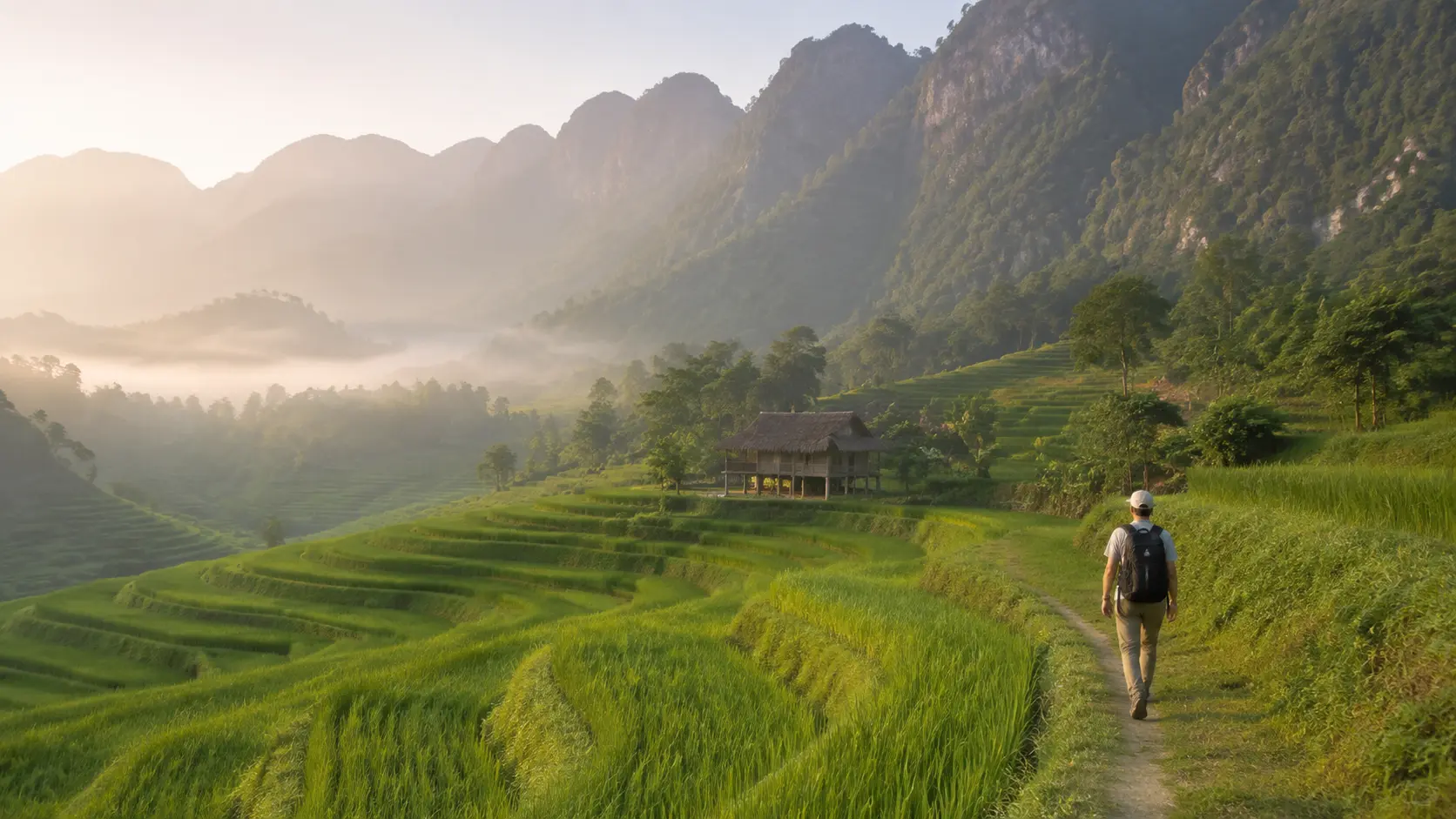
Pu Luong provides terraced fields, forested hills and traditional stilt-house villages within reach of Hanoi. It is increasingly popular, but it still feels gentle away from weekend resort clusters. Walking routes connect villages such as Kho Muong, while Hieu Waterfall and the reserve’s bamboo water wheels add variety to the landscape.

Choose a small homestay or lodge overlooking the valley and stay for two or three nights. March to May and September to November often bring pleasant conditions and attractive fields. Ask before photographing residents, use local guides for village walks and avoid leaving litter on narrow agricultural paths.

6. Moc Chau

Moc Chau is a highland plateau of tea fields, fruit orchards, dairy farms and flower valleys. It is a refreshing stop between Hanoi and the northwest, especially for travellers who prefer gentle countryside exploration to demanding trekking. Tea plantations and small villages spread across a broad area, making independent transport or a local driver useful.

The plateau changes with the seasons: plum and peach blossoms brighten the early months, while tea hills remain a signature sight through much of the year. Weekends and blossom festivals draw domestic visitors, so come midweek if quiet is your priority. Two nights give you enough time to explore without racing between viewpoints.

7. Phong Nha

Phong Nha is famous among adventure travellers, yet the riverside town remains far more laid-back than Vietnam’s major cities and beach resorts. The surrounding national park protects an extraordinary limestone landscape filled with caves, jungle and underground rivers. Easy outings include Phong Nha Cave and Paradise Cave, while guided expeditions reach more remote systems.

Stay three nights if you want time for both caves and countryside. Cycle through Bong Lai Valley, take a boat on the Son River or join a responsible small-group trek. Some cave routes close during heavy rain, so check seasonal conditions and book specialist expeditions only with licensed operators.

8. Quy Nhon

Quy Nhon offers a long urban beach, excellent seafood and easy access to small coves without the intensity of Nha Trang or Da Nang. The city has developed quickly, but its seafront still feels local in the early morning when residents exercise and fishing boats return. Beyond the centre, Ky Co, Eo Gio and quiet stretches south of the city show off the rugged coast.

Two or three nights work well for a relaxed beach break. Visit popular viewpoints early, then spend the afternoon at a less-developed beach or explore the region’s Cham towers. The driest beach weather is commonly found from around March to August, although summer weekends can be busy.

9. Phu Yen

North of Nha Trang, Phu Yen pairs a rural coastline with fishing villages, green fields and distinctive rock formations. Ganh Da Dia’s geometric basalt columns are the headline sight, but places such as Bai Xep, Vung Ro Bay and Mui Dien make the province rewarding as a slow road trip rather than a single stop.

Base yourself in Tuy Hoa for two or three nights and arrange a car or motorbike with a confident driver. Distances are longer than they appear, so group nearby sights together. Sunrise is especially beautiful along this east-facing coast, and an early start also helps you enjoy key locations before day visitors arrive.

10. Ninh Thuan

Ninh Thuan has one of Vietnam’s driest climates and a landscape unlike the tropical image many visitors expect. Vineyards, salt fields, sandy bays and rugged hills surround Phan Rang. The province is also an important centre of Cham culture, with Po Klong Garai towers and traditional craft villages offering a deeper cultural dimension.

Explore Vinh Hy Bay, Nui Chua National Park and the coastal road at an unhurried pace. Two or three nights are ideal. The sun and wind can be strong, so carry water and protection, and dress respectfully at religious sites. Hiring a knowledgeable local guide will make Cham heritage visits more meaningful.

11. Ly Son Island

Ly Son is a volcanic island off central Vietnam, known for garlic farms, coastal cliffs and clear blue water. Its compact size makes it easy to explore by scooter or electric vehicle. Hang Cau, To Vo Gate and viewpoints around Thoi Loi reveal the island’s volcanic geology, while nearby Be Island offers small beaches and a slower village atmosphere.

Stay at least two nights so your trip is not dependent on a single ferry crossing. Seas are generally calmer in the drier months, but schedules can change with weather. Avoid public holidays, confirm the return boat locally and reduce single-use plastic because waste management is more difficult on small islands.

12. Mang Den

Set among pine forests in Kon Tum Province, Mang Den is a cool highland retreat with lakes, waterfalls and farms. It has gained attention among Vietnamese travellers, yet outside peak weekends it remains a calm base for nature and café stops. The air is cooler than the lowlands, and mist often settles across the hills in the morning.

Spend two nights exploring Pa Sy Waterfall, forest roads and local villages with a guide. Development is increasing, so choose locally owned stays and experiences where possible. Rain can arrive quickly in the highlands; pack a light jacket and allow flexibility rather than filling every hour.

13. Dak Lak

Dak Lak is the heart of Vietnam’s coffee country. Buon Ma Thuot provides museums, markets and an energetic café culture, while the wider province offers waterfalls, forests and lakes. Lak Lake and Yok Don National Park are good starting points for learning about local landscapes and the cultures of Ede and M’nong communities.

Plan two or three nights and choose wildlife activities carefully. Ethical observation should keep a respectful distance and never involve elephant riding. A local guide can help interpret village customs, coffee production and the ecology of the dry forest while ensuring more of your spending stays within the community.

14. Chau Doc

Near the Cambodian border, Chau Doc is a fascinating Mekong Delta town shaped by Vietnamese, Khmer, Cham and Chinese influences. Markets, temples and riverside communities make it culturally rich without the big-city pace. Sam Mountain offers broad views over rice fields and canals, particularly around sunset.

Stay two nights to visit religious sites, explore the Tra Su cajuput forest and enjoy the town’s distinctive food. Dress modestly in temples and ask permission before taking close photographs. Chau Doc also fits naturally into an overland journey between southern Vietnam and Phnom Penh.

15. Con Dao

Con Dao combines forested hills, quiet beaches and powerful historical sites in a remote southern archipelago. Con Son, the main island, has a small town and scenic coastal roads, while much of the surrounding land and sea falls within a national park. The former prison complex and memorials require time and respect; they are central to understanding the island.

Stay three or four nights to balance history, nature and rest. Beach and boat conditions vary by season, and wildlife experiences such as turtle watching should be arranged through authorised conservation programmes. Con Dao is no longer unknown, but careful timing and its limited scale still make it feel calmer than Vietnam’s largest resort islands.

How to avoid crowds in Vietnam

  • Travel midweek: Many nature destinations receive most domestic visitors from Friday evening to Sunday.
  • Avoid major holidays: Tet and the Reunification Day-Labour Day period can bring heavy demand, closures and higher prices.
  • Stay overnight: Early mornings and late afternoons are often peaceful after day-trippers leave.
  • Slow down: Spending two or three nights in one place reduces travel fatigue and supports local businesses.
  • Use local expertise: Guides can suggest suitable routes, explain community customs and adjust plans for weather.
  • Respect fragile places: Carry reusable water bottles where refills are available, take rubbish out and keep to marked paths.

Best time to visit quieter places in Vietnam

Vietnam stretches across several climate zones, so there is no single perfect month for every destination. Northern mountain travel is often most comfortable in spring and autumn, but rice-terrace colours depend on local planting and harvest schedules. Central coastal areas generally have their best beach conditions during the drier part of the year, while highland and cave plans may be affected by seasonal rain. Southern islands have their own wind and sea patterns.

Check conditions for each region shortly before travelling, especially when your plan includes ferries, remote roads, caves or trekking. A flexible extra day is often more valuable than adding another destination.

Frequently asked questions

Is Vietnam overcrowded?

No. Crowds are concentrated in famous attractions, busy city centres and peak holiday periods. Many provinces and rural districts remain peaceful, particularly when you travel midweek, stay overnight and explore beyond the main viewpoint.

Which quiet place in Vietnam is best for first-time visitors?

Pu Luong and Phong Nha are practical choices because they combine beautiful scenery with a useful range of accommodation and organised activities. Quy Nhon is a good option for travellers who prefer a relaxed coast and easy city comforts.

Can I visit these destinations without a motorbike?

Yes. Trains, buses and flights connect the main gateways, while local cars, drivers and guided tours can cover the final distance. In remote mountain regions, hiring an experienced driver is often safer and more relaxing than riding independently.

A quieter journey, not a checklist

The best way to experience Vietnam without the crowds is not to chase all 15 places. Choose two or three that fit naturally into your route, stay longer and leave room for local recommendations. A quiet market breakfast, a village walk or an unscheduled afternoon by the river may become more memorable than another rushed landmark.

Singapore Entry Requirements 2026: Visa, SG Arrival Card and Passport Rules

Singapore has a reputation for effortless, well-organized travel — but “effortless” still means knowing exactly what’s expected of you before you land. Here’s a clear breakdown of the visa rules, arrival forms, and passport requirements you need sorted before booking your flight.

Why Getting This Right Matters

Singapore’s immigration process is genuinely one of the smoothest in Asia when you arrive prepared — clear signage, efficient e-gates, and short queues at Changi Airport. The friction almost always comes from travelers who assumed the wrong visa allowance, forgot a digital form, or didn’t realize their passport was too close to expiry. A few minutes of prep removes all of that.

Visa Requirements by Nationality

  • Most Western passport holders — including the US, UK, most EU countries, Australia, Canada, Japan, and South Korea — can enter visa-free for tourism, with allowed stays typically ranging from 30 to 90 days depending on nationality. Many Western nationalities receive the full 90 days.
  • Some nationalities require an Entry Visa (e-Visa) in advance, generally applied for online or through an authorized visa agent, with a standard fee of around SGD 30 (non-refundable).
  • Confirm your specific allowance through the Immigration & Checkpoints Authority (ICA) website before booking — visa-free duration varies meaningfully by passport, and assuming the wrong number is one of the most common planning mistakes.
  • Visa-free entry covers tourism and short business visits; if you’re traveling for work, study, or a longer stay, you’ll need the appropriate pass (Employment Pass, Student Pass, etc.), which involves a separate, more involved application process.

The SG Arrival Card: What You Need to Know

This is the area where even recent sources disagree, so it’s worth approaching carefully.

  • Historically, all travelers — visa-exempt or not — have been required to complete the SG Arrival Card (SGAC), a digital travel and health declaration, within 3 days before arrival.
  • Some more recent 2026 reporting suggests this requirement may have been simplified or removed for certain traveler categories, though this isn’t consistently confirmed across sources.
  • Given the mixed signals, the safest approach is to check the official ICA website (ica.gov.sg) directly within a week or two of your departure date, rather than relying on any single blog post (including this one) for the current status.
  • If it is required when you travel, expect to provide: passport details, flight information, accommodation address, and a brief health declaration. The form is free — never pay a third-party site for something the ICA provides at no cost.

Insider tip: Bookmark the official ica.gov.sg domain now, and check it again about a week before your flight — Singapore’s entry procedures have shifted more than once in recent years, and the ICA site is always the fastest way to get a definitive answer rather than working from outdated blog posts or forum threads.

Passport and Document Requirements

  • Passport validity: at least 6 months remaining beyond your date of arrival.
  • Proof of onward or return travel may be requested, particularly if you’re arriving on a one-way ticket.
  • Sufficient funds for your stay can occasionally be asked about, though this is rarely enforced for typical short tourist visits from visa-exempt countries.
  • Families traveling with children should ensure each child’s passport independently meets the 6-month validity rule — a surprisingly common oversight.

Entry by Air vs. Overland from Malaysia

  • Changi Airport handles the vast majority of tourist arrivals, with efficient immigration processing and widely available e-gates for eligible passport holders.
  • Overland entry from Malaysia is straightforward via the Woodlands Train Checkpoint (for rail arrivals) or by bus across the Causeway or Second Link — both budget-friendly alternatives if you’re combining a Malaysia and Singapore trip.
  • The same visa and arrival card requirements apply regardless of entry method — overland travelers aren’t exempt from anything air travelers need to complete.

What Happens at Immigration

  • Present your passport (and SG Arrival Card confirmation, if applicable) at the immigration counter or e-gate.
  • Processing is typically quick — Changi Airport is consistently ranked among the world’s most efficient for immigration wait times.
  • Officers may occasionally ask about your length of stay, accommodation, or return flight — having this information ready (even just on your phone) speeds things along.

Singapore Travel Guide 2026: Everything You Need to Know Before You Go

Where else can you go from a Michelin-starred hawker stall to a rooftop infinity pool overlooking a botanical garden full of glowing super-sized trees, all in one afternoon? Singapore packs an absurd amount of variety into a city you can cross by train in under an hour — and 2026 is a genuinely great year to finally book that trip.

Why Singapore Deserves More Than a Layover

Too many travelers treat Singapore as a stopover on the way to somewhere else, and that’s a mistake. This is a city where futuristic architecture, lush greenery, and some of the best street food on the planet sit within a few MRT stops of each other, and it’s clean, safe, and remarkably easy to navigate even on your first trip to Asia. Whether you’ve got 48 hours or a full week, Singapore rewards both fast-paced sightseeing and slower, food-focused wandering in equal measure.

Entry Requirements: What to Sort Before You Fly

  • Visa-free access covers citizens of most Western countries (US, UK, EU, Australia, Canada, Japan, South Korea, and more) for stays typically ranging 30 to 90 days, depending on nationality — most Western passport holders get the full 90 days.
  • Passport validity: keep at least 6 months remaining beyond your arrival date.
  • SG Arrival Card: most current guidance points to this digital arrival/health declaration still being required for all travelers, submitted online up to 3 days before arrival — though a few sources suggest requirements have been simplified in 2026. Given the mixed signals, it’s worth a quick check on the Immigration & Checkpoints Authority (ICA) website close to your travel date rather than assuming either way.
  • Overland entry from Malaysia is straightforward via the Woodlands Train Checkpoint or by bus across the Causeway or Second Link, both budget-friendly alternatives to flying.

When to Visit: Weather and Crowds

Singapore sits almost exactly on the equator, so temperature barely shifts across the year — think 26-32°C with high humidity, essentially year-round.

  • February-April tends to be the driest stretch, with the least rainfall.
  • November-January brings the heaviest monsoon rains, though downpours are usually short, intense afternoon showers rather than all-day washouts.
  • June school holidays and major events push hotel prices up — if you’re flexible, shoulder months outside these windows can save you noticeably on accommodation.

Top Attractions Worth Your Time

  • Gardens by the Bay: the Supertree Grove’s free light show runs nightly at 7:45 PM and 8:45 PM — don’t miss it. The paid conservatories (Flower Dome and Cloud Forest) run roughly S$12-26 per adult depending on which you visit, and combo tickets with nearby attractions often save 15-20%.
  • Marina Bay Sands SkyPark Observation Deck: the classic rooftop view over the bay — book ahead, especially around sunset.
  • Universal Studios Singapore (Sentosa): one-day adult tickets start around S$76 when booked directly, with an Express Pass (from roughly S$291 for entry plus queue-skip) worth it on weekends or school holidays when ride waits routinely exceed 45-60 minutes.
  • Singapore Oceanarium (formerly S.E.A. Aquarium): newly rebranded, with tickets starting around S$43, just a short walk from Universal Studios.
  • Chinatown, Little India, and Kampong Glam: three completely different cultural neighborhoods, each walkable in a few hours and packed with temples, murals, and food stalls.

Food: Where Singapore Truly Shines

  • Hawker centres are the heart of Singaporean food culture — expect meals for roughly S$4-8, including Michelin-recognized stalls at places like Maxwell Food Centre and Chinatown Complex.
  • Must-try dishes: chicken rice, laksa, chili crab, satay, and kaya toast with soft-boiled eggs for breakfast.
  • Tip: hawker centres get genuinely crowded at lunch (12-1:30 PM); arriving slightly earlier or later gets you a table without the wait.

Getting Around Singapore

  • The MRT (subway) is fast, clean, air-conditioned, and connects almost every major attraction — a single ride typically costs S$1-2.50.
  • EZ-Link or contactless bank card tap-ins work directly at MRT gates; no need to buy a physical transit pass unless you prefer one.
  • Grab (ride-hailing) is widely used and reliable for late-night trips or when carrying luggage.
  • Singapore is also one of the most walkable major Asian cities — many attractions in the Marina Bay and Civic District areas sit within a comfortable stroll of each other.

Budget Guide by Travel Style

  • Backpacker: roughly S$40-50/day — hawker centre meals, hostel or budget hotel stays, MRT/bus travel.
  • Mid-range: roughly S$120-150/day — 3-star hotels, casual restaurants, Grab rides, and attraction tickets.
  • Luxury: S$300+/day — 5-star hotels, fine dining, and premium experiences like Marina Bay Sands’ infinity pool.

Insider Tip: Skip the Queue With a Multi-Attraction Pass

If you’re planning to hit three or more paid attractions — say, Universal Studios, Gardens by the Bay conservatories, and the SkyPark deck — look into a bundled attractions pass before buying tickets individually. These combo packages regularly save 20-40% off individual gate prices, and many can be booked and redeemed flexibly across your trip rather than locking you into a single day.

The Perfect 3-Day Singapore Itinerary for First-Time Visitors

Three days. One dazzlingly compact city. A skyline of glowing Supertrees, a rooftop pool suspended 57 floors above the bay, and enough incredible hawker food to make you wonder why you ever paid more for a worse meal back home. Singapore has a way of making a short trip feel like it stretched twice as long — here’s how to make every hour count.

Why Singapore Is the Perfect Short-Trip City

Singapore rewards travelers who don’t have weeks to spare. Everything sits within a short MRT ride of everything else, the city is spotless and easy to navigate even on your first day in Asia, and the sheer density of world-class food, gardens, and architecture means three focused days genuinely deliver a complete experience. This itinerary blends the icons with a little breathing room, so you leave inspired rather than exhausted.

Day 1: Marina Bay and the City’s Icons

Start where Singapore’s skyline becomes unforgettable.

  • Morning: Explore the Merlion Park waterfront and stroll along Marina Bay for that first, jaw-dropping skyline view.
  • Midday: Head to Gardens by the Bay — walk among the towering Supertrees, and consider the paid Cloud Forest and Flower Dome conservatories (roughly S$12-26 per adult) for a cool, otherworldly break from the tropical heat.
  • Evening: Time your visit to catch the free Supertree Grove light show, running nightly at 7:45 PM and 8:45 PM — genuinely one of the most magical free things to do anywhere in Asia.
  • Dinner: Wander to Lau Pa Sat hawker centre for satay skewers grilled streetside, or head slightly further for a proper bowl of laksa.
  • Optional splurge: book a sunset slot at the Marina Bay Sands SkyPark Observation Deck for a view over everything you just walked through.

Day 2: Culture, Neighborhoods, and Food

Today is about slowing down and soaking in Singapore’s distinct cultural pockets.

  • Morning: Wander Chinatown — the ornate Buddha Tooth Relic Temple and the bustling Chinatown Complex hawker centre (some stalls here hold Michelin recognition) are both must-sees.
  • Midday: Cross into Little India for a completely different sensory experience — incense, marigold garlands, and some of the city’s best curries.
  • Afternoon: Explore Kampong Glam, home to the golden-domed Sultan Mosque and the boutique-lined streets of Haji Lane — perfect for an hour of photos and browsing.
  • Evening: Choose a hawker centre for dinner and try chicken rice, chili crab, or kaya toast with soft-boiled eggs if you’re craving something lighter — most hawker meals run just S$4-8.
  • Insider move: visit hawker centres slightly before or after the 12-1:30 PM lunch rush to snag a table without the wait.

Day 3: Sentosa Island Adventure

Save your most energetic day for last.

  • Morning: Head to Sentosa Island, easily reached by cable car, monorail, or a short walk across the boardwalk from VivoCity.
  • Midday: Spend a few hours at Universal Studios Singapore — one-day adult tickets start around S$76, with an Express Pass (from roughly S$291) worth considering if you’re visiting on a weekend when queues can stretch 45-60 minutes.
  • Afternoon: If theme parks aren’t your thing, the Singapore Oceanarium (tickets from around S$43) or Sentosa’s beaches offer a more relaxed alternative.
  • Evening: Head back toward Marina Bay for a final dinner with a view, or catch one last look at the skyline from Clarke Quay, Singapore’s riverside dining and nightlife strip.

Where to Stay for a 3-Day Trip

  • Backpacker: Hostels around Chinatown or Bugis run roughly S$25-40/night for a dorm bed, putting you within walking distance of food and MRT lines.
  • Mid-range: 3-star hotels near Marina Bay or Orchard Road typically run S$150-250/night, keeping you centrally located for all three days above.
  • Splurge: A night at Marina Bay Sands puts that legendary infinity pool right outside your room — book at least a few weeks ahead, since rooms sell out fast.

Getting Around Your 3 Days

  • The MRT connects nearly every stop on this itinerary — rides typically cost S$1-2.50, and you can tap in directly with a contactless bank card or EZ-Link card.
  • Grab is the easiest option for late nights or when you’re tired after a full Sentosa day.
  • Much of Day 1 and Day 2 is genuinely walkable if you enjoy exploring on foot — just build in shade breaks given the tropical heat and humidity.

Insider Tip: Bundle Your Attraction Tickets

If your three days include Universal Studios, the Gardens by the Bay conservatories, and the SkyPark deck, look into a combined attractions pass before buying tickets separately. Bundled passes commonly save 20-40% off individual gate prices and offer flexible redemption across your trip — meaning you’re not locked into visiting everything on one exact day.